An Insider’s Guide to Medellin’s Transformation
1 August 2026
Introduction
Medellín, once infamous for its turbulent past, has risen from the ashes to become one of the most innovative and captivating cities in the world. From crime-riddled streets to a model of urban regeneration, Medellín's transformation is nothing short of magical. So, how did this city go from being the world’s most dangerous metropolis to a global success story? Buckle up because we're diving deep into Medellín’s remarkable journey! 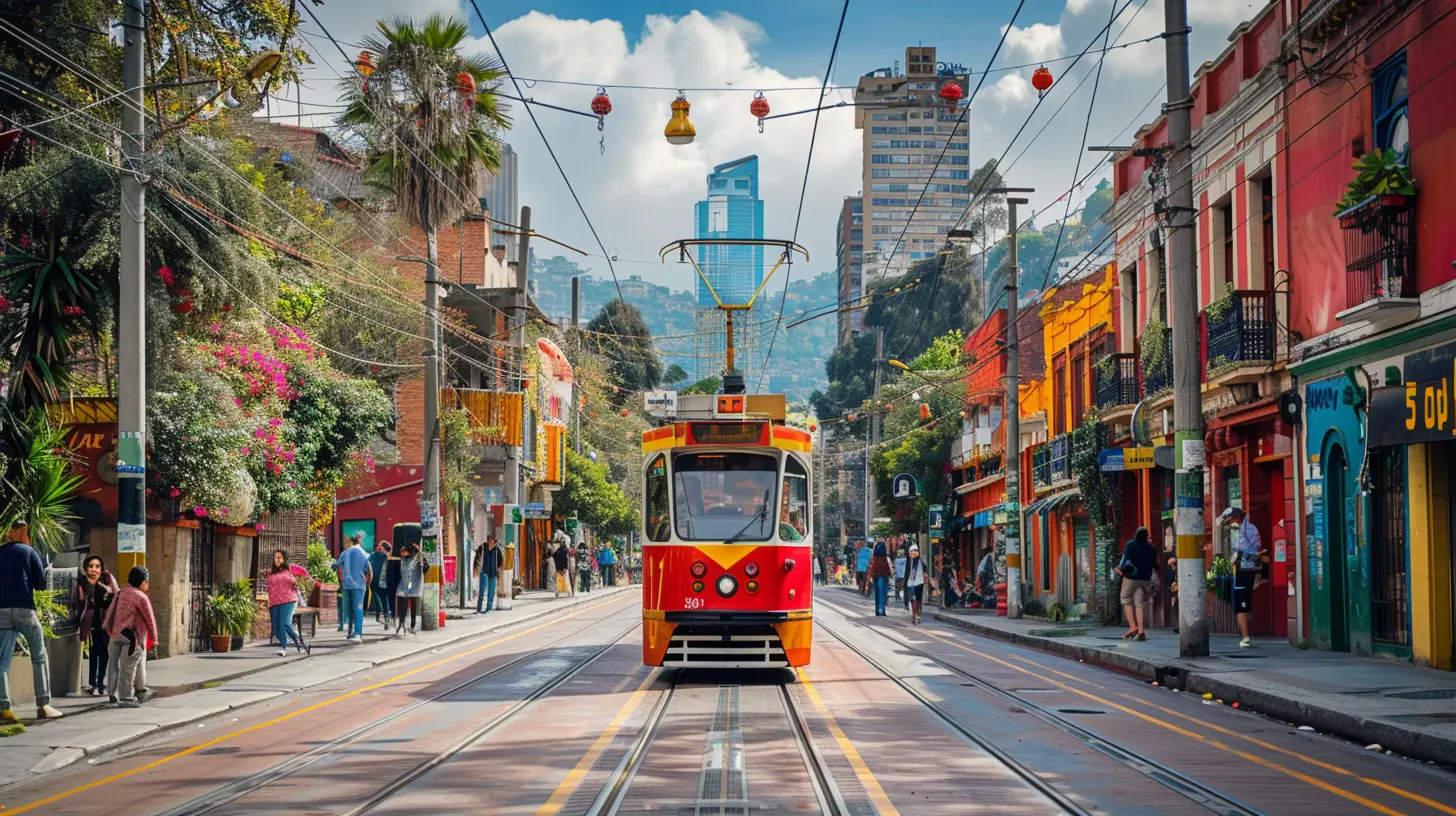
From Fear to Flourishing: Medellín’s Dark Past
If you mention Medellín to someone unfamiliar with its modern-day charm, they might instantly think of one name—Pablo Escobar. Yep, the infamous drug lord who once ruled the city with an iron fist. Back in the '80s and early '90s, Medellín carried the unfortunate title of "Murder Capital of the World," thanks to cartel violence.But Medellín isn't defined by its past. In fact, the people of this city refused to let crime and corruption dictate their future. Through sheer resilience, innovation, and a touch of creativity, they transformed their home into one of Latin America’s most vibrant destinations. 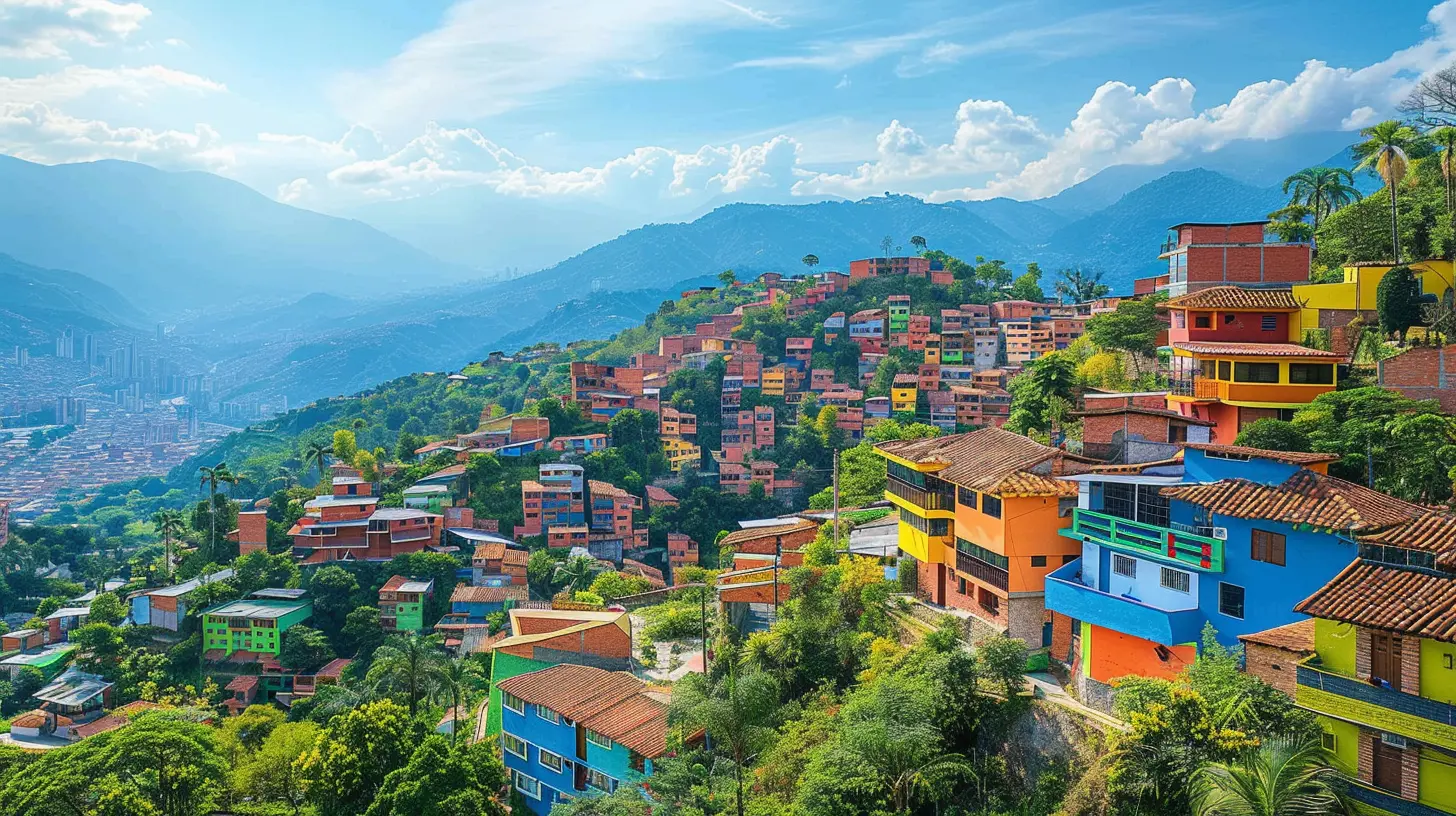
The Metro: The Beating Heart of Change
If there’s one thing that symbolizes Medellín’s transformation, it’s the Medellín Metro. Unlike other cities where subways and trams might just be a convenience, here, it’s a symbol of hope and progress. When the metro system launched in 1995, it wasn’t just about transportation—it was about restoring dignity to a city desperate for a comeback.What makes Medellín’s metro system unique?
- Impeccably Clean – Seriously, you could eat off the floors (though we don’t recommend it).
- Respect & Pride – Locals treat the metro with deep respect, keeping it graffiti-free and efficient.
- A Connector of Communities – The metro isn’t just about getting from A to B; it actively bridges the gap between Medellín’s rich and poor neighborhoods.
Boarding the metro isn’t just a ride—it’s an experience that embodies progress. 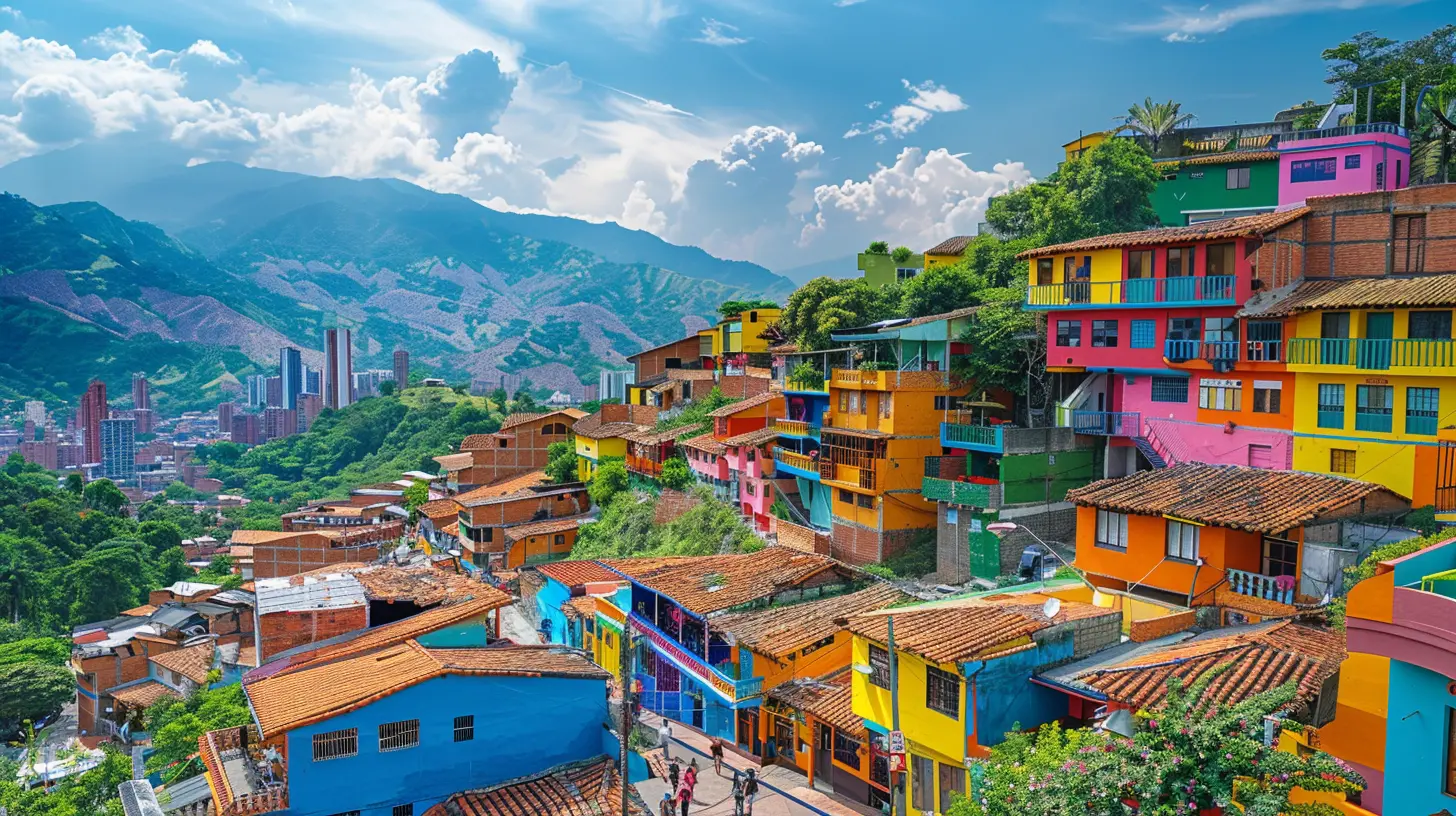
Metrocable: Elevating Opportunities (Literally)
Imagine living in a hillside barrio where commuting to work used to take hours on foot. Enter Metrocable, the city’s game-changing cable car system. Designed to connect Medellín’s poorest neighborhoods to the central metro network, this project turned what was once a dangerous and isolated climb into a scenic, efficient, and safe journey.Why is this a big deal?
- Provides Economic Mobility – Residents now have better access to jobs, education, and healthcare.
- Reduces Crime – Once crime-ridden areas have witnessed a significant drop in violence.
- Boosts Tourism – Tourists now flock to neighborhoods like Comuna 13, once no-go zones, to soak in the street art and vibrant culture.
It’s crazy to think that something as simple as a cable car could change lives, but in Medellín, it absolutely has. 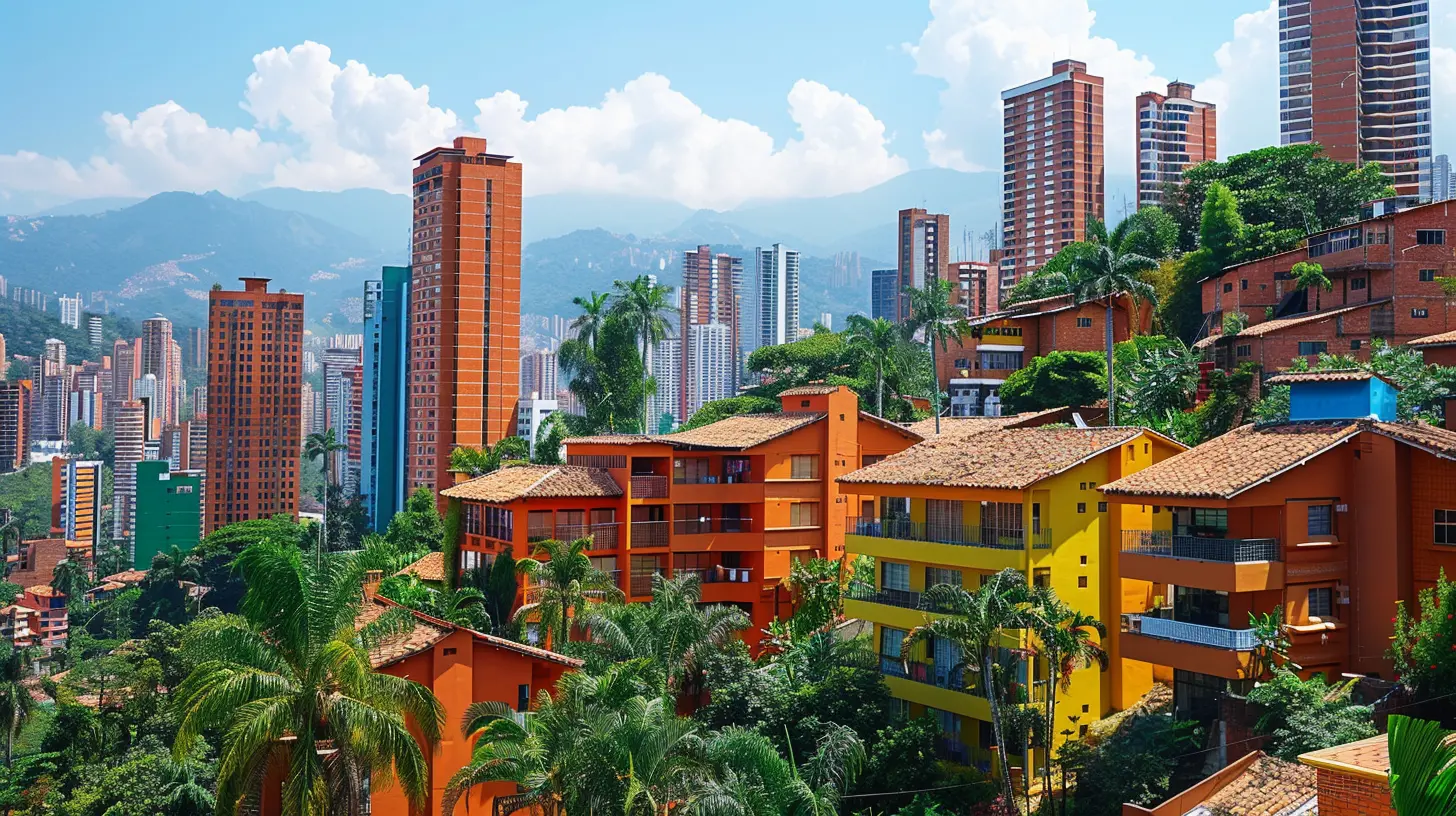
Comuna 13: From War Zone to Art Haven
Speaking of Comuna 13, if you visit Medellín and don’t check out this neighborhood, did you even go? This was once one of the most dangerous neighborhoods in the world, but today, it’s a living breathing mural of resilience.So, what’s the secret to its transformation?
- Street Art Explosion – Every wall tells a story, from the struggles of the past to the hopes of the future.
- Outdoor Escalators – Yep, escalators in the middle of a hillside barrio! These have drastically improved mobility for locals while drawing thousands of curious visitors.
- Hip-Hop Culture – Breakdancers, rappers, and musicians have turned Comuna 13 into a cultural hotspot.
Walking through these streets today, you’re met with color, music, and a contagious energy that makes you forget its dark history.
Innovation & Social Urbanism: Medellín Leading the Way
What makes Medellín’s transformation so fascinating isn’t just that it happened—it’s how it happened. The city didn't just throw money at problems; it invested in people and communities.Libraries, Parks, and Schools in Unexpected Places
Instead of ignoring underprivileged areas, the government built cutting-edge schools, libraries, and parks right in the heart of troubled communities. The idea? Give access to education, culture, and recreation, and you’ll reduce crime and social inequality.
Plaza Botero: Art That Speaks Volumes
If you’re wandering downtown, you can’t miss Plaza Botero, home to the chubby (and oddly charming) sculptures of Fernando Botero. Medellín takes public art seriously, and this plaza is a prime example of that.What’s so special about it?
- It’s Free – No museum ticket needed; just stroll and admire.
- It’s Quirky – Botero’s sculptures are delightfully exaggerated, making them perfect for fun photo ops.
- It Represents Medellín’s Spirit – Bold, artistic, and unapologetically unique.
The Nightlife: Medellín After Dark
Sure, Medellín’s history is inspiring, but let’s talk about something equally exciting—the nightlife.Parque Lleras: Party Central
If there’s one place to experience Medellín’s nightlife, it’s Parque Lleras in the El Poblado district. Here’s what to expect:- Reggaeton, Salsa, and Vallenato – Music that makes you move, whether you want to or not.
- Cocktail Heaven – Medellín’s mixologists don’t mess around; the drinks here are fire.
- Crowds of Locals & Tourists – A perfect blend of people from all walks of life.
Feeling fancy? Rooftop bars in Laureles offer chill vibes with panoramic views of the city. If you’re more into underground scenes, check out Barrio Manila for a laid-back yet artsy vibe.
Coffee Culture: The Soul of Medellín
Colombia and coffee go together like peanut butter and jelly. Medellín, nestled in the heart of coffee country, offers some of the best brews on the planet.Must-Visit Cafés in Medellín
1. Café Pergamino – A local favorite with farm-to-cup beans.2. Rituales Café – Hidden gem in Laureles with insanely good espresso.
3. Urbania Café – Stylish meets delicious; perfect for digital nomads.
If you have time, take a coffee farm tour in nearby Jardín or Santa Fe de Antioquia. Trust me, once you sip freshly brewed Colombian coffee straight from the source, Starbucks will never taste the same again.
Final Thoughts: Medellín’s Bright Future
Medellín’s transformation is proof that a city's past doesn’t define its future. Sure, it had dark days, but the city's heart beats with optimism, creativity, and a relentless drive to move forward.Whether you’re riding the Metrocable over breathtaking hills, dancing the night away in El Poblado, or sipping a killer cup of coffee in a quirky café, one thing is clear—Medellín is no longer a city of fear but a beacon of hope. And that’s something worth experiencing firsthand.
all images in this post were generated using AI tools
Category:
South America TravelAuthor:

Taylor McDowell