Behind the Scenes: Exploring Museum Restorations and Conservation
19 July 2026
Museums are treasure troves of history, housing artifacts that tell the story of our past. But have you ever wondered how these priceless items remain in pristine condition despite being hundreds—or even thousands—of years old? That’s where the magic of restoration and conservation comes in.
Contrary to popular belief, maintaining historical artifacts isn’t just about giving them a quick dusting or placing them in glass cases. It’s a fascinating and meticulous process that blends science, history, and artistry. Let’s take a deep dive into the hidden world of museum restorations and conservation.
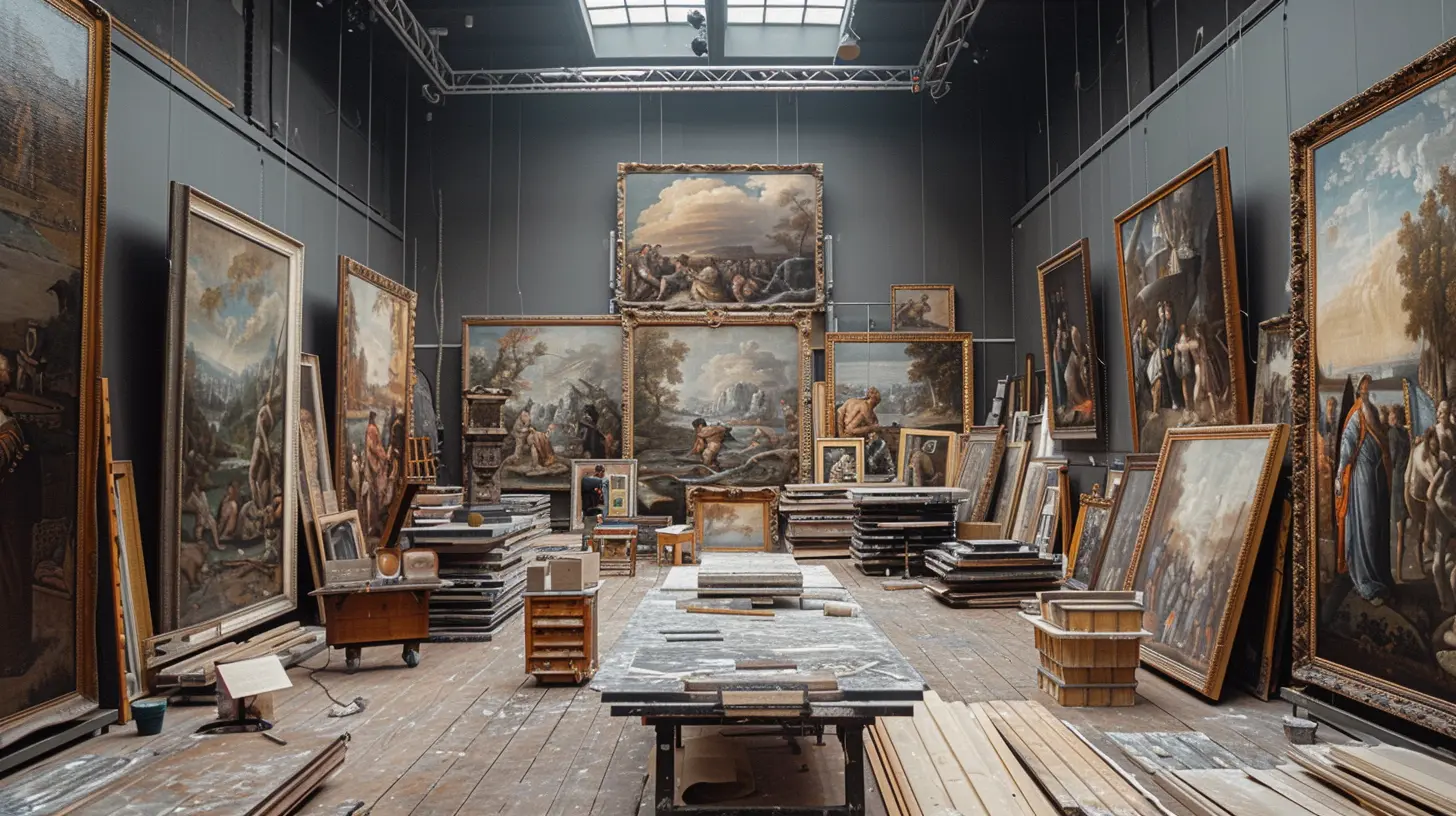
The Difference Between Restoration and Conservation
Before we go behind the scenes, let’s clear up a common misunderstanding. People often use the terms "restoration" and "conservation" interchangeably, but they’re actually quite different.- Restoration focuses on returning an artifact to its original state (or as close as possible). Think of it like restoring an old painting with faded colors—experts will carefully repaint missing sections to revive its former glory.
- Conservation, on the other hand, is all about preservation. Instead of making something look new, conservators work to slow down deterioration and ensure artifacts remain stable for future generations.
Both processes require extreme precision, patience, and a deep respect for history.
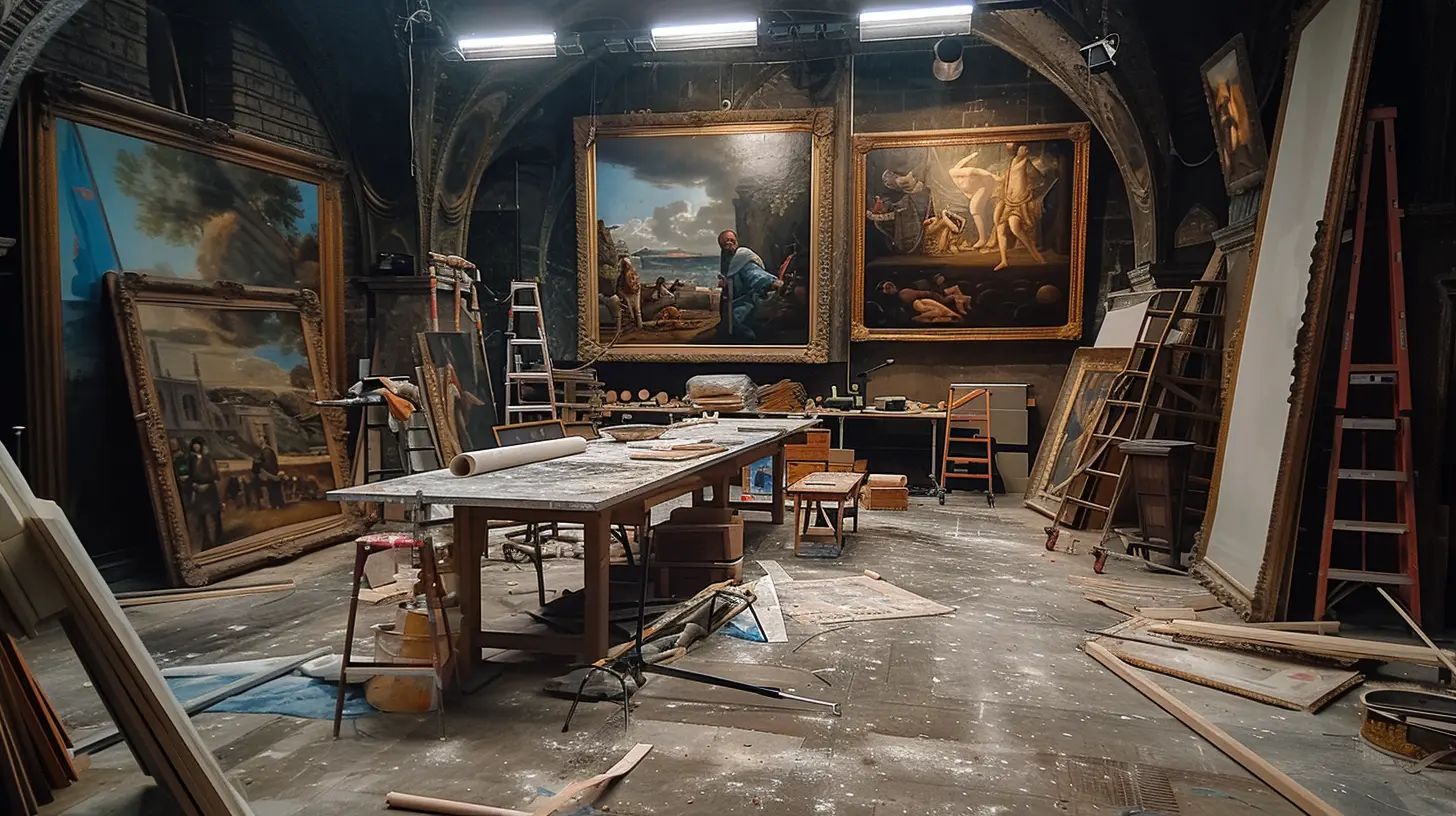
The Science of Conservation
Ever heard the phrase "Science meets Art"? That’s conservation in a nutshell. Museums rely on a variety of scientific methods to analyze and preserve artifacts.1. Climate Control and Storage
Temperature and humidity can be an artifact’s worst enemies. Too much moisture can cause mold and decay, while dry conditions can make paintings crack. That’s why museums maintain strict climate control, adjusting conditions to suit each type of material.For example:
- Ancient manuscripts need low humidity to prevent paper degradation.
- Oil paintings require a stable temperature to avoid expansion and contraction.
- Wooden artifacts must stay in environments that prevent warping or cracking.
2. X-rays and Infrared Scanning
Ever wondered how experts analyze artifacts without damaging them? X-rays and infrared scans allow them to see beneath the surface. This technology helps uncover hidden layers in paintings, detect structural damage in statues, and even reveal lost details in ancient scrolls.A famous example? Scientists used X-rays on the Mona Lisa and discovered hidden sketches Leonardo da Vinci made before finalizing the painting!
3. Chemical Analysis
Conservators use chemical analysis to determine an artifact’s composition. This helps them understand how to prevent further decay. For example, knowing the chemical makeup of an old painting’s pigments can guide restoration techniques without causing harm.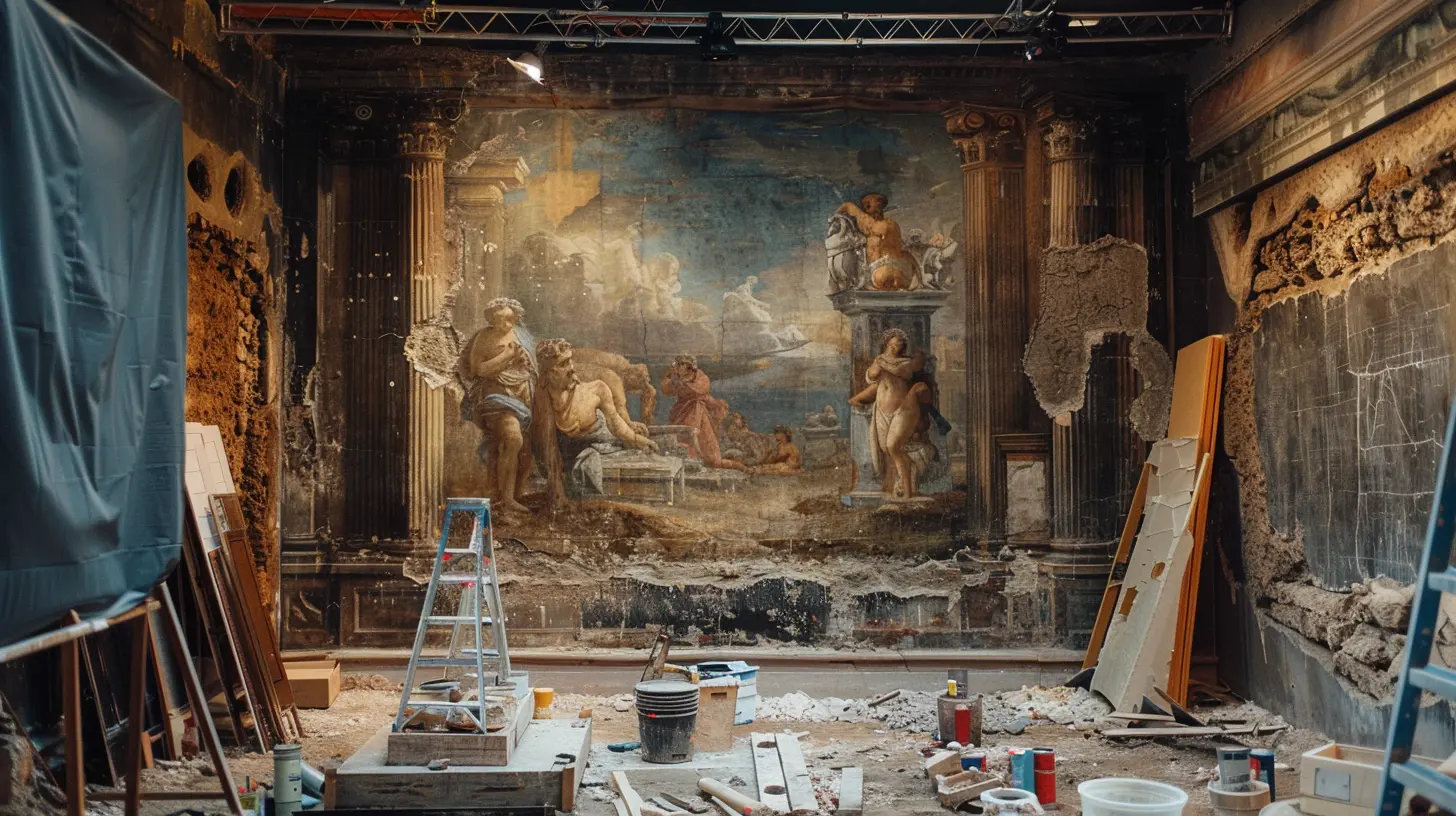
The Art of Restoration
Restoration takes a fine balance between preserving the original work and making it visually appealing. While technology helps, this is where craftsmanship and a keen artistic eye come into play.1. Restoring Paintings
Over time, paintings fade, crack, and accumulate dirt. Restorers clean the surface using special solutions, carefully removing grime without stripping away original paint. They also fill in missing sections with colors matched to the original, ensuring the painting looks complete while maintaining historical integrity.One of the greatest restorations in history? The Sistine Chapel ceiling—Michelangelo’s masterpiece had been dulled by centuries of soot before experts painstakingly cleaned every inch, revealing its vivid colors.
2. Repairing Ancient Textiles
Fabrics from ancient times are often fragile and prone to deterioration. Conservators use delicate stitching techniques to reinforce weak areas, preventing further tearing. Sometimes, they add a protective backing to help support the original material without altering its appearance.3. Restoring Fragile Sculptures
Statues and sculptures often sustain damage over centuries—missing limbs, chipped fingers, or broken noses. Restorers recreate missing parts using compatible materials, ensuring the new additions blend seamlessly with the old. A great example of this is the Venus de Milo, where experts have studied how the statue originally looked.
The Ethical Dilemma of Restoration
Restoration can be controversial. How much intervention is too much? Some argue that excessive restoration alters the original work, making it less authentic. Others believe that without restoration, many well-known historical pieces would be unrecognizable today.Take the Ecce Homo fresco disaster—an amateur attempt at restoring a religious painting turned Jesus’ face into an unintentional cartoon. While it became an internet joke, it also sparked a serious discussion about the importance of qualified professionals handling such delicate work.
Museums today aim for a balanced approach, ensuring restorations respect the original artist’s intent while maintaining historical accuracy.
Modern Innovations in Conservation
Technology is changing how museums handle restoration and conservation. Here are some of the latest advancements:1. 3D Printing and Digital Reconstruction
3D scanning allows experts to digitally recreate missing parts of sculptures or broken artifacts. Instead of making irreversible changes to the original piece, they can print separate attachments that are removable if better techniques become available in the future.2. Non-Invasive Cleaning Methods
Instead of using chemicals, some restorers now use laser technology to clean delicate surfaces. Lasers can remove dirt and grime without touching the underlying material, reducing the risk of damage.3. Artificial Intelligence in Conservation
AI is being used to analyze artwork and predict areas that are at risk of deterioration. By detecting early signs of decay, conservators can act before visible damage occurs.
The Role of Museum Visitors in Conservation
Believe it or not, visitors play a crucial role in conservation. Museums impose rules like no touching the exhibits or no flash photography for a reason. Even something as simple as the oils from our skin can cause long-term damage to delicate artifacts.To support museum conservation efforts, visitors can:
- Respect exhibit boundaries and avoid touching displays.
- Follow photography guidelines (flash can harm paintings over time).
- Support museum preservation programs through donations or memberships.
The Future of Museum Conservation
As technology advances, museum conservation will continue to evolve. Experts are now experimenting with nanotechnology, self-healing materials, and even genetic analysis to preserve history in ways we once thought impossible.One thing is certain—without the dedication of conservators and restorers, many of the world’s most treasured artifacts would crumble into history. Next time you visit a museum, take a moment to appreciate not just the artifacts, but also the invisible work that keeps them alive for generations to come.
all images in this post were generated using AI tools
Category:
Museums And GalleriesAuthor:

Taylor McDowell