Best Stargazing Campgrounds for 2027 Adventures
9 May 2026
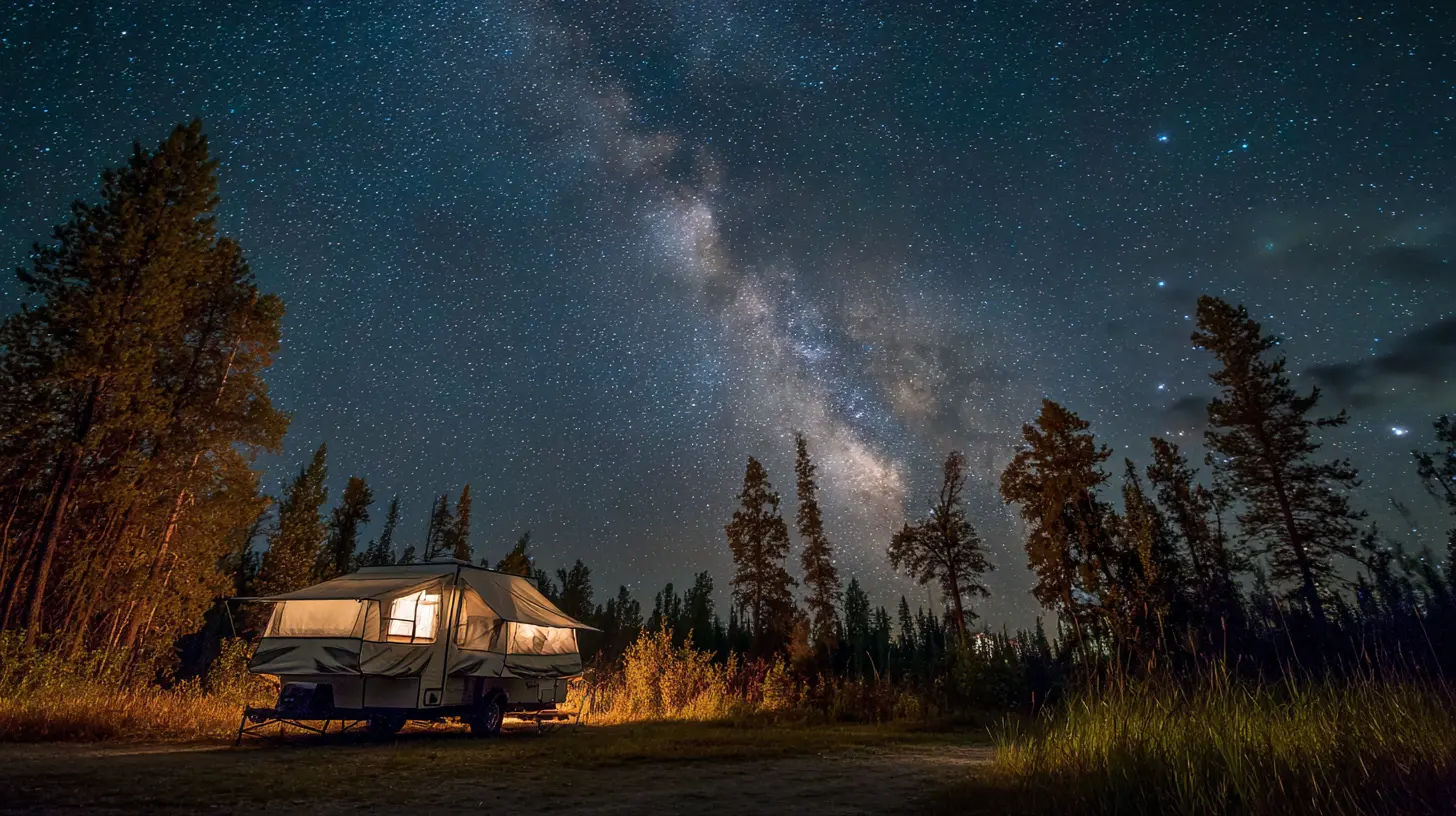
You know that feeling when you look up at a city sky and see maybe three stars, if you're lucky? It's like trying to read a book with only a few letters visible. Now imagine a sky so thick with stars it looks like someone spilled a bag of diamonds across black velvet. That's what we're chasing in 2027. The world is spinning faster every year, but the night sky stays the same old friend, waiting for us to look up.
I've spent more nights than I can count sleeping on the ground, staring up at the Milky Way, and I can tell you this: there's nothing quite like it. Not a fancy hotel, not a five-star restaurant. Just you, a sleeping bag, and the universe doing its thing. So let's talk about the best places to make that happen in 2027. These aren't just campgrounds. They are portals to another world, and you don't need a spaceship to get there.
Why 2027 Is the Year to Go Dark
Let's get real for a second. Light pollution is getting worse. Every year, more of the night sky gets washed out by streetlights, billboards, and parking lots. But here's the good news: more people are fighting back. Dark sky preserves are popping up everywhere. In 2027, several new certified spots will open, and the ones we already love are getting better protection.Think of it like this: the stars are a natural resource, just like clean water or fresh air. And we're finally treating them that way. So why wait? The campsites I'm about to tell you about are already booking up for next year. If you snooze, you lose your spot under the cosmos.
What Makes a Campground Perfect for Stargazing?
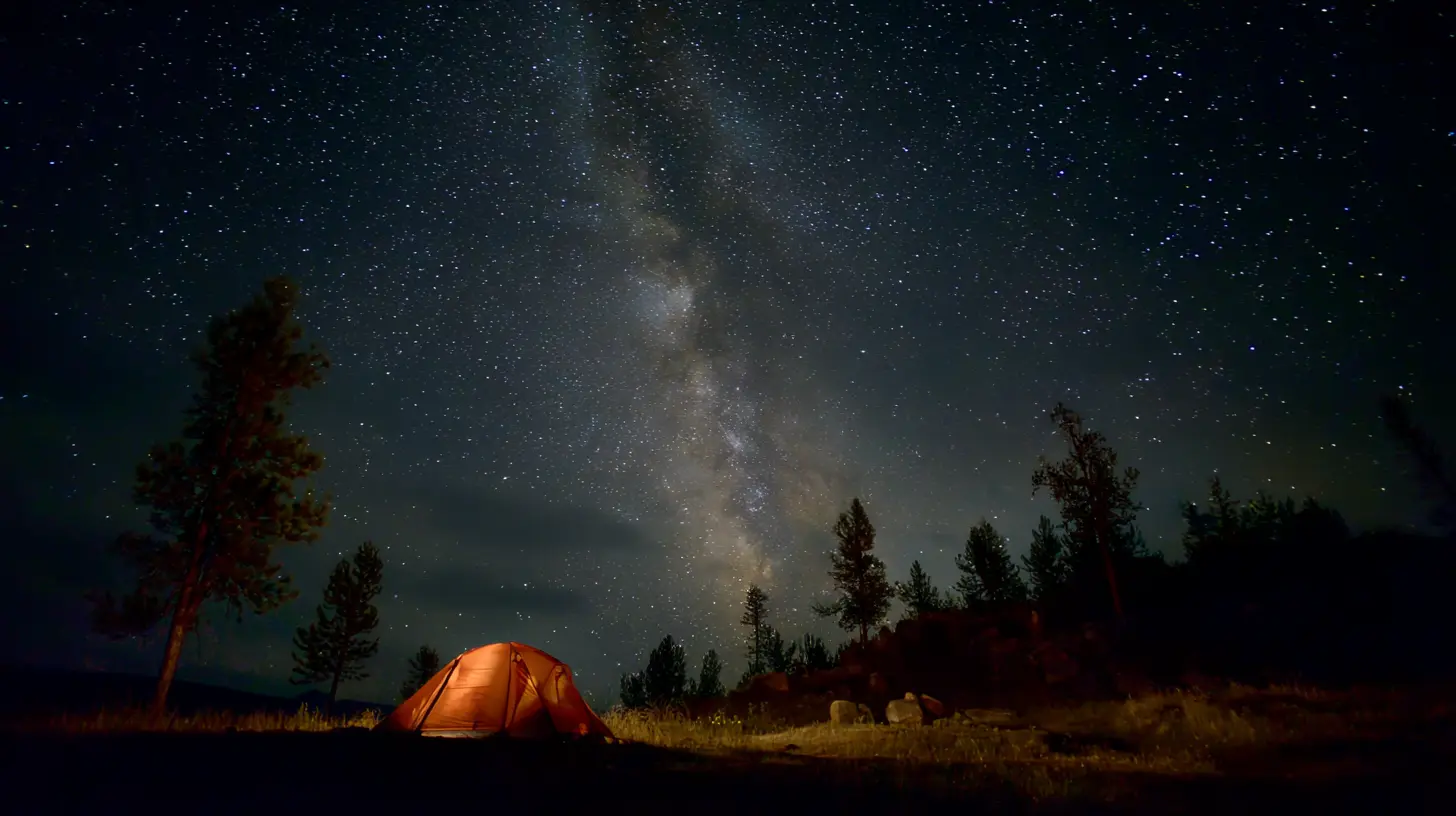
Not all campgrounds are created equal when it comes to the night sky. You need three things: altitude, darkness, and clear air. Altitude gets you above the haze. Darkness means no city glow for at least 50 miles. Clear air means low humidity and no smoke. Put those together, and you get a sky that looks like it's been polished.Also, look for campgrounds that have "astronomy-friendly" policies. That means no bright lights after 10 PM, no generator noise, and maybe even a designated stargazing field with telescopes. Some places even have "star parties" where astronomers set up their gear and let you look through. It's like a block party, but way quieter and way more mind-blowing.
Top Picks for 2027 Adventures
1. Cherry Springs State Park, Pennsylvania
This place is the granddaddy of East Coast stargazing. It sits on top of a mountain in the middle of nowhere, and the sky is so dark you can see your shadow by starlight. No joke. I've been there on a moonless night, and the Milky Way looked like a river of light pouring right over my head.The campground is rustic but comfortable. You get fire rings, picnic tables, and vault toilets. No showers, but who cares when you're staring at Jupiter's moons through a 12-inch telescope? They have an "Astronomy Observation Field" that's closed to vehicles after dark. You just walk out, lay down a blanket, and let the universe do its thing.
Pro tip for 2027: Book your site six months in advance. Seriously. This place fills up faster than a concert ticket sale. And bring a red flashlight. Your eyes will thank you.
2. Great Basin National Park, Nevada
If you want to feel small in the best way, this is your spot. Great Basin is one of the darkest places in the lower 48. It's high desert, so the air is dry and crisp. The campground at Wheeler Peak sits at 10,000 feet elevation. That's high enough to make your ears pop and your jaw drop.The best part? They have a ranger-led astronomy program every weekend in summer. You get to look through a telescope that's older than me but still works like a charm. And the silence. Oh, the silence. It's so quiet you can hear your own heartbeat. That's rare in this world.
What to expect: Cold nights, even in July. Bring a warm sleeping bag and a thick pad. The ground is rocky, and you don't want to feel every pebble when you're trying to count satellites.
3. Natural Bridges National Monument, Utah
This place was the first International Dark Sky Park ever. That's like the Hall of Fame for stargazing. The campground is small, only 13 sites, which means it's intimate and quiet. You're surrounded by sandstone bridges that look like ancient sculptures. During the day, you hike. At night, you lie on the ground and watch the stars move.The sky here is so clear you can see the Andromeda Galaxy with your naked eye. I'm not exaggerating. It looks like a faint smudge, but knowing it's a whole other galaxy two million light-years away? That's the kind of thing that sticks with you.
Heads up: No hookups, no showers, no dump station. This is rough camping at its finest. But the trade-off is a sky that looks like it was painted by a mad artist.
4. The Cosmic Campground, New Mexico
I love this place because the name says it all. The Cosmic Campground is in the Gila National Forest, and it's officially recognized as a "Gold Tier" dark sky site. That's the highest rating you can get. The Milky Way here is so bright it casts shadows. I've seen it.There are only a few sites, and they're first-come, first-served. No reservations. That's a gamble, but it keeps the crowds away. You'll find a concrete pad for your telescope, a few fire rings, and miles of nothing but pine trees and sky.
What makes it special: The elevation is 7,200 feet, and the air is so clean you can taste it. Also, the nearest town is tiny and has almost no lights. You're truly in the dark here.
5. Jasper National Park, Alberta, Canada
If you're willing to drive a bit further, Jasper is a stargazing paradise. It's a designated Dark Sky Preserve, and in 2027 they're hosting the Jasper Dark Sky Festival in October. That's a whole month of astronomy talks, night hikes, and telescope viewings.The campgrounds here are varied. You can rough it at a backcountry site or stay at Whistlers Campground with full amenities. Either way, the sky is the same. And it's huge. Canada has some of the darkest skies on Earth because there's just less people and less light.
One thing to know: The northern lights sometimes show up here. Imagine lying in your tent, looking up, and seeing green curtains dancing across the stars. That's not a dream. That's a Tuesday night in Jasper.
6. Mauna Kea, Hawaii
Okay, this one is for the adventurous. Mauna Kea is not your typical campground. You're at 13,000 feet, and it's cold. Like, freezing cold even in summer. But the sky is absolutely unreal. You're above 40% of the atmosphere, so the stars don't twinkle. They just sit there, sharp and steady, like someone glued them to the sky.There's a visitor center at 9,000 feet where you can camp. You need a permit, and you need to acclimate to the altitude. But if you do it right, you'll see the Southern Cross, the Magellanic Clouds, and a sky so full of stars you'll forget how to breathe.
Warning: This is not for beginners. Altitude sickness is real. Bring water, go slow, and don't drink alcohol. The reward is worth the effort, but you have to earn it.
How to Make the Most of Your Stargazing Trip
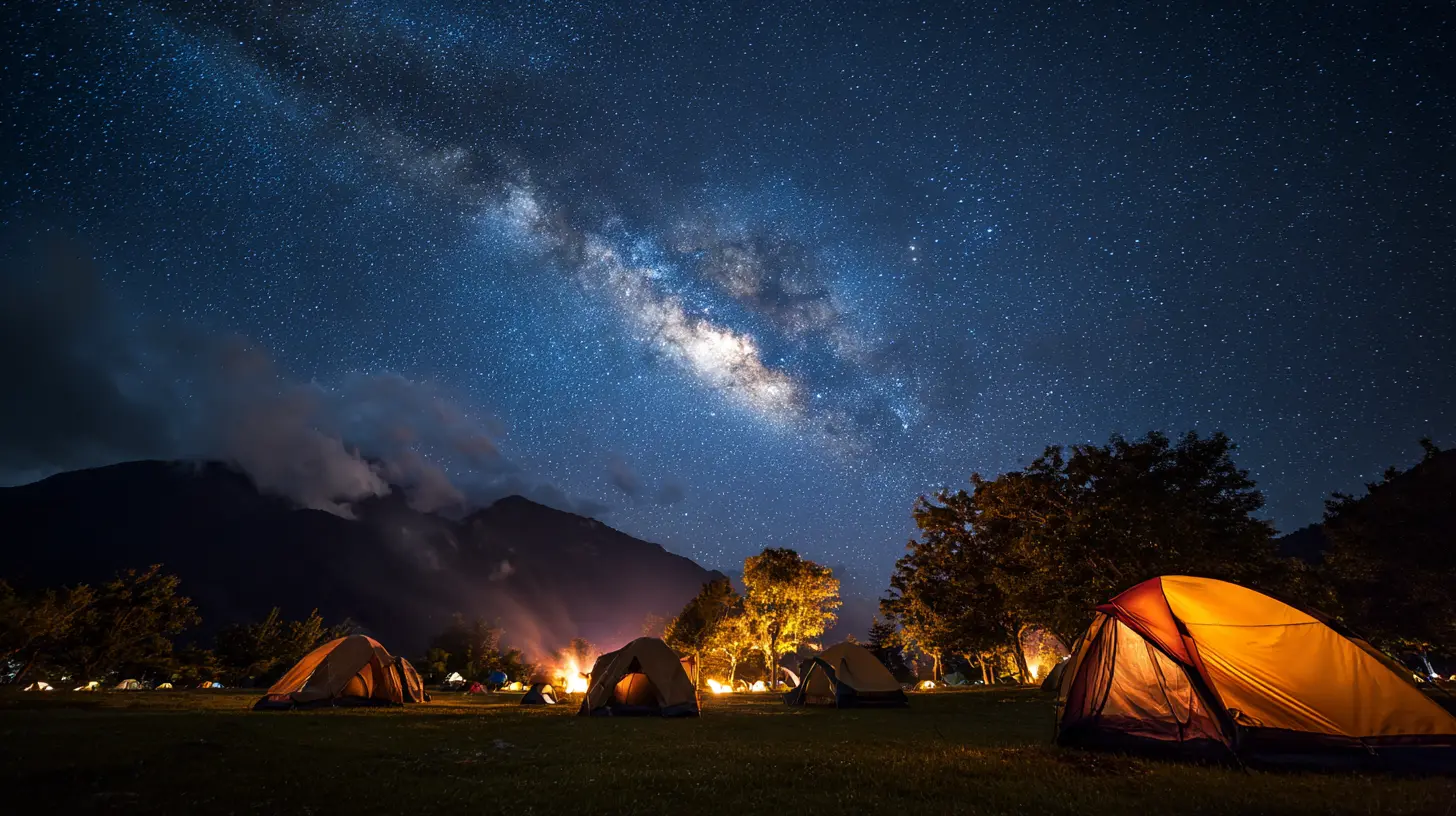
You can't just show up and expect magic. Well, you can, but preparation makes it better. Here's what I've learned from years of sleeping under the stars.First, give your eyes time to adjust. That means no phone, no flashlight, no campfire. I know, a campfire is cozy, but it ruins your night vision. Use a red light instead. You'll see ten times more stars.
Second, bring a star map or an app that works offline. I like SkySafari because it shows you what's overhead in real time. But don't stare at your phone the whole night. Use it to find a constellation, then put it away and just look.
Third, dress in layers. The temperature drops fast after sunset. You'll be lying still, so you'll get cold quicker than you think. A warm hat and gloves make a huge difference.
Fourth, bring snacks and hot drinks. There's something magical about sipping hot chocolate while watching a meteor shower. It's like comfort food for the soul.
The Mental Shift That Happens
I can't explain it without sounding like a hippie, but stargazing changes you. When you look at the night sky for an hour, your problems shrink. That argument you had with your boss? It doesn't matter. That bill you're worried about? It's tiny compared to a galaxy with 100 billion stars.You start to see yourself as part of something bigger. Not in a cheesy way, but in a real, grounded way. You're made of the same stuff as those stars. Carbon, oxygen, hydrogen. We're all just stardust with opinions.
That's why I keep going back. It's not just about the beauty. It's about remembering who you are and where you came from.
Packing List for 2027
Don't overthink it. Here's what you actually need:- A tent that doesn't leak. Test it before you go.
- A sleeping bag rated for 10 degrees colder than you expect.
- A sleeping pad. Your back will thank you.
- Red flashlight. Two of them. They're cheap.
- Binoculars or a small telescope. Even cheap ones show you craters on the moon.
- A chair that leans back. Craning your neck gets old fast.
- Warm layers. Hat, gloves, wool socks.
- Snacks that don't crumble. Trail mix, granola bars, chocolate.
- Water. More than you think.
- A journal. Write down what you see. You'll forget otherwise.
Final Thoughts Before You Go
2027 is going to be a great year for stargazing. The solar cycle is ramping up, which means more sunspots and more aurora activity. Comets are unpredictable, but there's always a chance one will show up. And the planets are aligning in ways that make for great viewing.But honestly, you don't need a special event. You just need a clear night and a dark sky. The stars are always there. They don't take vacations. They don't care about your schedule. They just shine, waiting for you to look up.
So pick a campground from this list, book it, and go. Leave your phone in the car. Leave your worries at home. Lie on the ground and let the universe wash over you. You'll come back different. I promise.
The best part? You don't have to be an expert. You don't need a fancy telescope or a degree in astronomy. All you need is curiosity and a willingness to be amazed. That's it. That's the whole secret.
See you under the stars.
all images in this post were generated using AI tools
Category:
Camping AdventuresAuthor:

Taylor McDowell
Discussion
rate this article
1 comments
Fleur Bell
Nothing beats the magic of a night under the stars. Can't wait for our adventures!
May 9, 2026 at 3:06 PM
Taylor McDowell
Absolutely! Stargazing truly has its own charm. Excited for your upcoming adventures too!