Camping Adventures to Experience in 2026
25 April 2026
Let’s be real for a second: the world is loud. Your phone buzzes, your inbox screams, and the news feels like a never-ending car alarm. You crave silence, but not the kind that feels empty. You want the kind of silence that’s filled with crackling fire, wind through pine needles, and the distant hoot of an owl. You want to sleep on the ground and wake up smelling like smoke and dew. That’s not just a vacation—that’s a reset button.
As we barrel toward 2026, the camping landscape is shifting. Gone are the days when “roughing it” meant a soggy tent and a can of cold beans. This is the era of curated wilderness, where adventure meets intentionality. But I’m not here to sell you on glamping with a yoga mat and a pour-over coffee setup (though, hey, no judgment). I’m here to guide you toward genuine, skin-in-the-game experiences that will stretch your soul like a tarp in a thunderstorm.
So, what’s on the horizon for 2026? Let’s dig into the dirt, follow the smoke, and map out the camping adventures that will define the year ahead. Buckle up—or rather, lace up.
The Rise of “Deep Camping”: Why 2026 Is the Year of Slow Travel
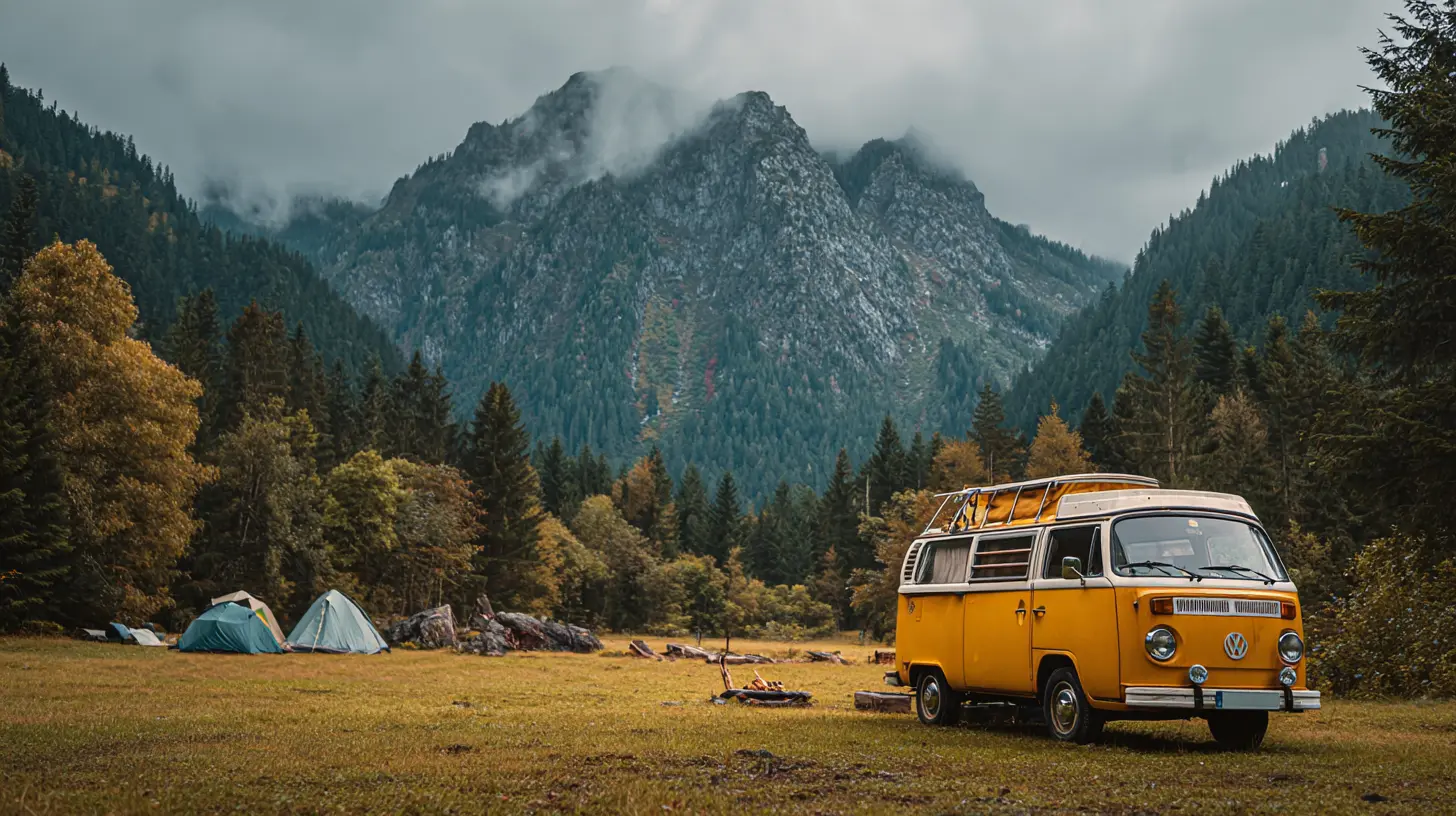
We’ve all been guilty of the “checklist trip”—drive five hours, pitch a tent, snap a photo of a sunset, sleep badly, and drive home. That’s not camping; that’s a chore with a view. In 2026, the pendulum swings hard toward deep camping. Think of it as the slow food movement for the outdoors. You’re not just passing through; you’re inhabiting a place.Deep camping means staying put for three, four, even seven days in one spot. It means learning the rhythm of a forest: when the deer drink, when the wind picks up, where the moss grows thickest. It’s about trading miles for minutes of stillness. Why rush when the stars are free and the coffee tastes better when brewed over a twig fire?
The 2026 twist? Gear is catching up. Ultralight shelters now pack down to the size of a water bottle, but they’re built for extended stays. Water filters are faster, solar panels are thinner, and sleeping pads actually feel like beds. The barrier to deep camping has never been lower. So, pick a spot—maybe a hidden lake in the Cascades or a sandstone alcove in Utah—and just stay.
The Forgotten Frontier: Night Hiking and Moonlit Bivouacs
Here’s a question: when was the last time you walked through the woods in total darkness—without a headlamp? If you’re like most people, the answer is never. We’re terrified of the dark, and honestly, that’s fair. But in 2026, night hiking is becoming the ultimate camping adventure for the brave.Why? Because the forest at night is a different planet. Your ears take over. You hear the crunch of your own boots, the rustle of unseen creatures, the distant trickle of a stream you couldn’t find during the day. The stars punch through the canopy, and the moon becomes your flashlight. It’s terrifying, sure, but it’s also the most alive you’ll feel all year.
Pro tip for 2026: Plan a full-moon bivouac. Hike in at dusk, set up a minimalist shelter (just a bivy sack and a sleeping bag), and stay awake until 2 a.m. watching the moon arc overhead. No tent walls. No fire. Just you and the lunar glow. It’s like sleeping inside a pearl. And if you’re worried about safety? Bring a buddy, keep your wits, and remember: the dark isn’t your enemy. It’s just the world without its makeup on.
The Art of the Solo Camping Retreat: Your Own Private Wilderness
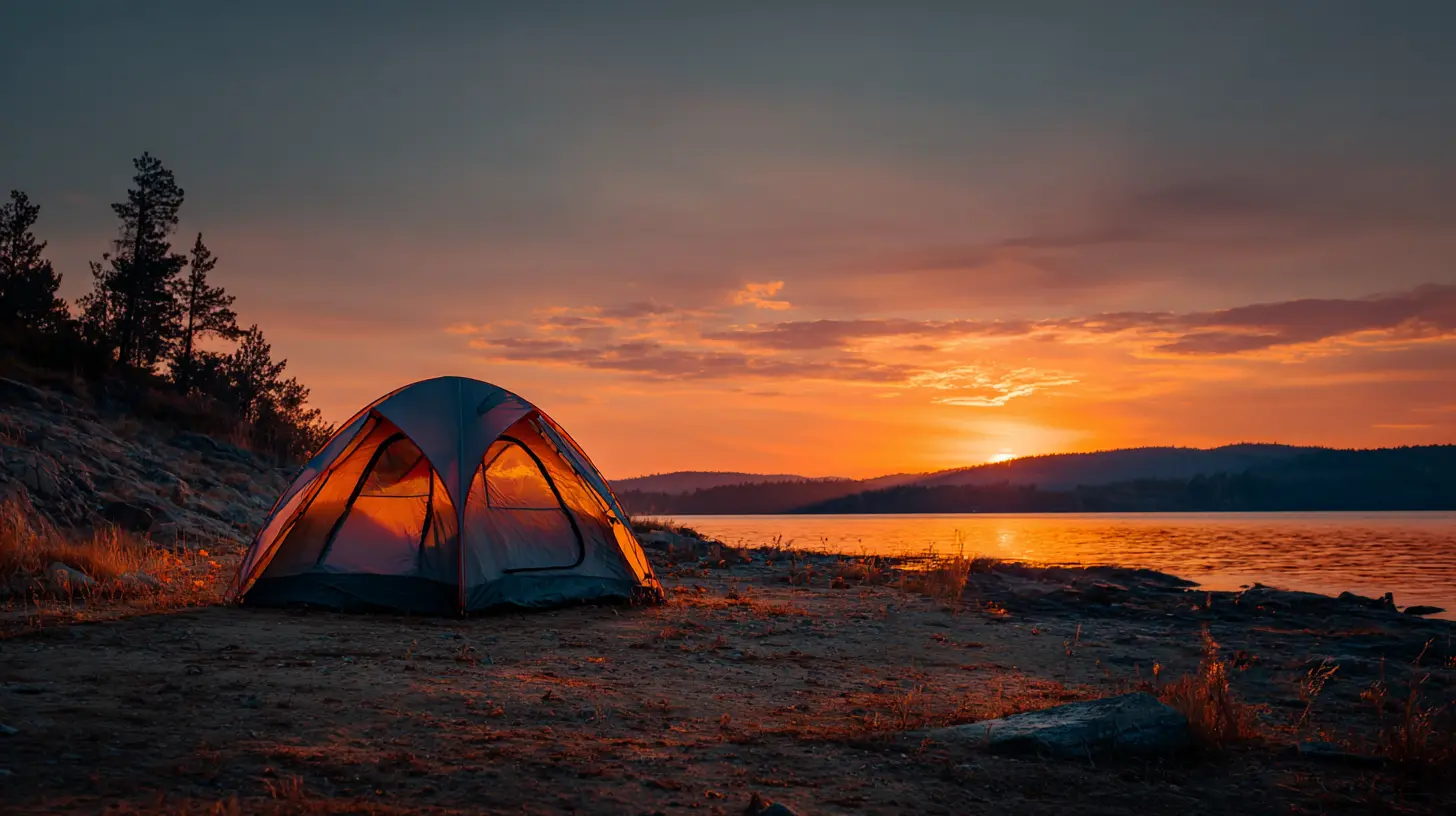
Look, I love people. I really do. But sometimes, the best company is your own shadow. Solo camping is having a massive moment in 2026, and it’s not just for rugged survivalists. It’s for anyone who needs to untangle the knots in their brain.Imagine this: you drive to a remote spot, park the car, and walk a mile into the backcountry. You set up a tiny tent under a lone pine. No one talks to you. No one asks you for anything. You eat dinner with your hands, read a book by lantern light, and fall asleep to the sound of your own breathing. The next morning, you wake up and do absolutely nothing except watch the fog burn off the valley. That’s not selfishness—that’s maintenance.
2026 trend alert: More guided solo retreats are popping up—think “wilderness therapy” for the mentally exhausted. You get a pre-set camp, a safety check-in, and complete isolation. It’s like a spa, but the mud is real, and the treatments involve chopping wood. If you’ve never camped alone, start small: one night, close to home, with a fully charged phone in your pack (just in case). You might surprise yourself with how much you enjoy your own company.
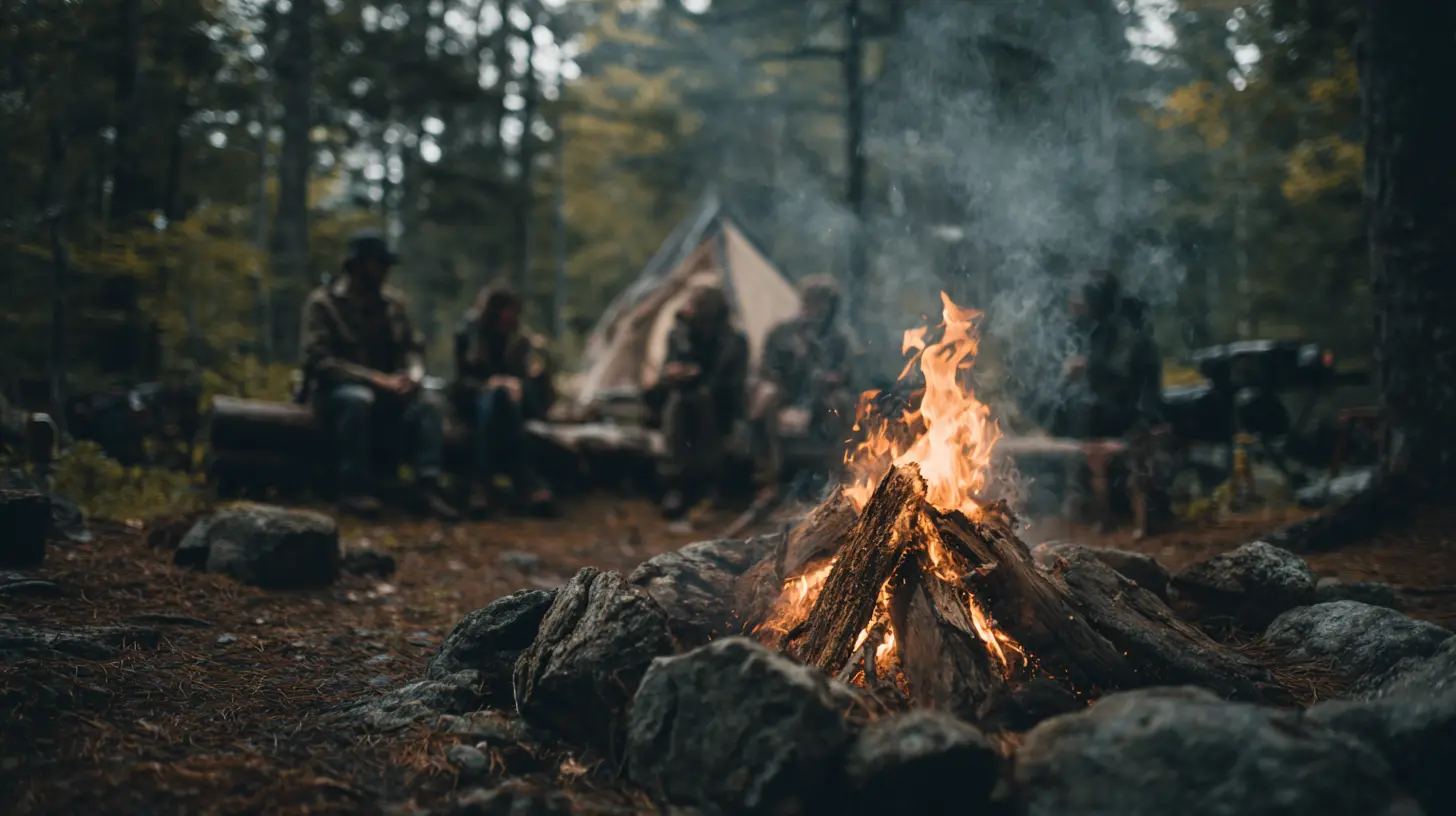
The Return of the Canvas Wall Tent: Glamping’s Grown-Up Cousin
Let’s talk about glamping. It’s been around for years, and honestly, it’s fine. But by 2026, the luxury camping crowd is getting bored with yurts and bell tents. Enter the canvas wall tent—the rugged, spacious, wood-stove-heated beast that feels less like a hotel room and more like a pioneer’s cabin.These tents are heavy. Like, “you’ll need a truck” heavy. But they’re also bombproof. They can handle snow, wind, and even a curious bear (with proper food storage). Inside, you can stand up, cook on a cast-iron stove, and sleep in a real cot. It’s camping that doesn’t make you feel like a sardine.
Where to try it in 2026: The American West is ripe for wall-tent camping. Think Montana’s Bob Marshall Wilderness, Colorado’s San Juan Mountains, or the high deserts of Oregon. Rent a wall-tent setup from a local outfitter, or go full DIY and build your own platform. The key is the wood stove—nothing beats the dry, radiant heat of a fire while snow falls silently outside your canvas walls. It’s hygge, but with axes.
Water-Based Camping: Kayak and Canoe Expeditions
Land camping is great, but water camping? That’s a whole different flavor of adventure. In 2026, expect to see a surge in paddle-in campsites—spots that are only accessible by kayak, canoe, or packraft. These sites are quieter, cleaner, and surrounded by water, which means fewer bugs (usually) and better views.Picture this: you launch your kayak at dawn, paddle through a glassy lake, and pull up to a beach that has no road, no trail, and no signs of modern life. You drag your boat ashore, set up a hammock between two birches, and spend the afternoon swimming, fishing, and reading. The only sound is the lapping of waves. That’s not a vacation—that’s a baptism.
2026 hotspots: The Boundary Waters Canoe Area Wilderness in Minnesota remains a classic, but look to lesser-known gems like Florida’s Suwannee River (yes, alligators, but worth it) or Maine’s Allagash Wilderness Waterway. For the brave, try packrafting in Alaska’s Kenai Fjords—you’ll paddle past glaciers and camp on gravel bars. Just watch out for the tides; they’re not forgiving.
The “No-Trace” Evolution: Camping That Gives Back
Here’s a hard truth: camping is not inherently eco-friendly. Every tent footprint, every campfire, every granola bar wrapper leaves a mark. But 2026 is the year we stop pretending otherwise and start doing better. The new mantra? Leave it better than you found it.This isn’t just about packing out trash (though, please, do that). It’s about active restoration. Some campsites now offer “voluntourism” add-ons—spend an hour clearing invasive weeds, planting native grasses, or restoring a fire ring. It’s not glamorous, but it’s meaningful.
The gear shift: Look for brands that use biodegradable fabrics, repair kits instead of replacements, and packaging that dissolves in water. In 2026, the best campers are the ones who leave no trace because they add something—a cleaned spring, a rebuilt trail, a firepit that’s safer for the next person. It’s camping with a conscience, and it feels better than any sunset photo.
High-Altitude Adventures: Camping Above the Treeline
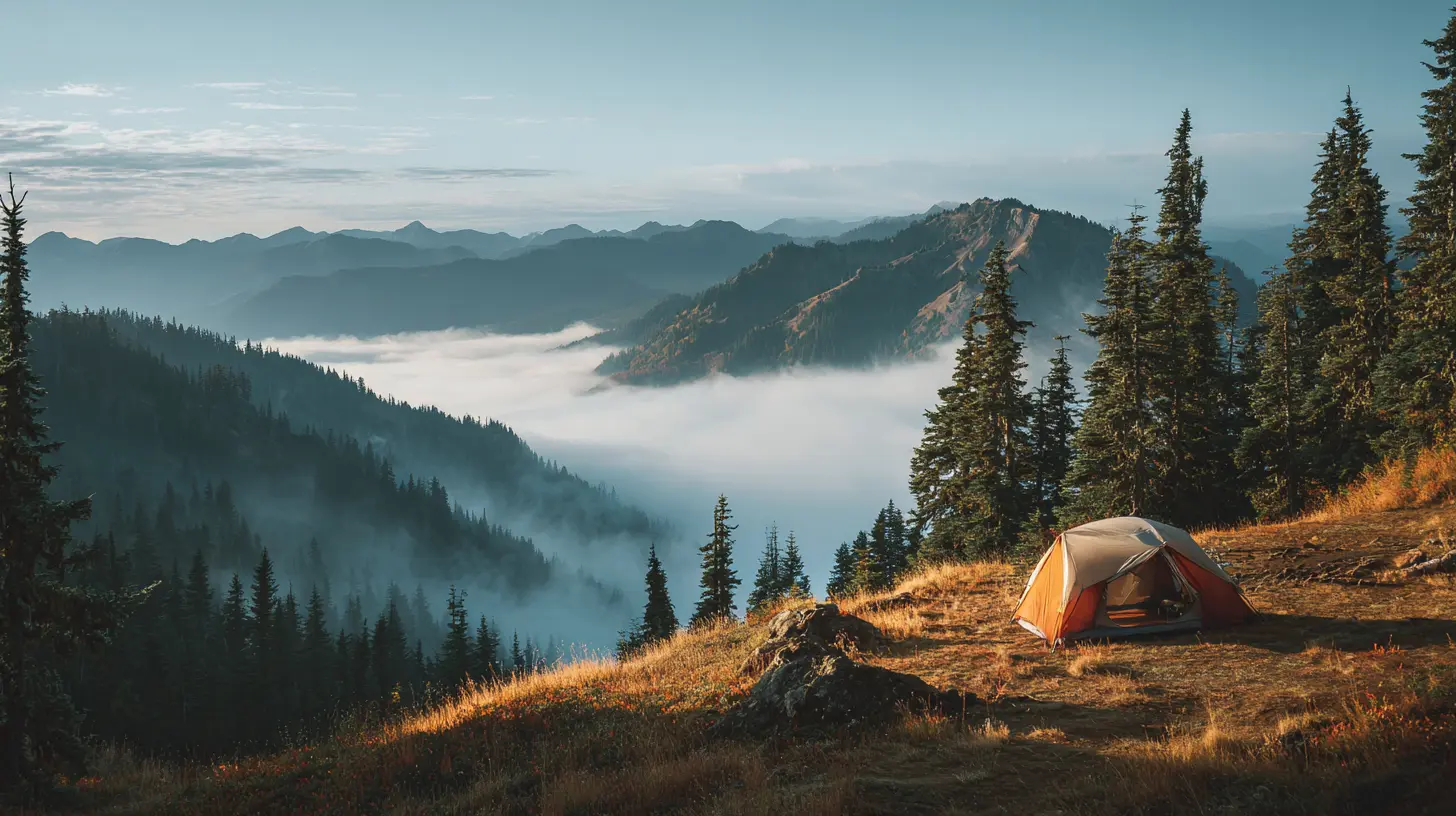
If you’ve ever stood above 10,000 feet, you know the air feels different—thinner, sharper, like a cold glass of water after a long run. High-altitude camping is not for the faint of heart, but for 2026, it’s the ultimate flex for the adventurous soul.We’re talking alpine lakes, exposed ridgelines, and campsites where the only trees are stunted and twisted by wind. You’ll cook at altitude (water boils at a lower temperature, so pasta takes forever), sleep in a four-season tent, and wake up to clouds below you. It’s humbling. It’s raw. It’s the kind of camping that makes you feel like a tiny speck in a vast, beautiful machine.
Safety first: Altitude sickness is real. Acclimate for a day or two before sleeping high. Bring extra water, electrolytes, and a pulse oximeter. And for heaven’s sake, don’t try this alone unless you’re experienced. But if you do it right, high-altitude camping is a memory that will stick to your bones like frost.
Urban Camping: The City’s Secret Wild Side
Wait—camping in a city? Yes, and it’s weirder than you think. In 2026, urban camping is gaining traction as a way to rediscover your own hometown. Think sleeping on a rooftop with a view of the skyline, or pitching a tent in a city park after hours (with a permit, obviously). It’s not wilderness, but it’s adventure.Why do it? Because cities have their own rhythms. The hum of traffic becomes white noise. The glow of streetlights replaces the stars. You can order pizza for dinner and still wake up to birdsong. It’s a low-barrier entry point for new campers, and it’s surprisingly fun. Try it in a city with a big park—Central Park in New York, Golden Gate Park in San Francisco, or the Bois de Boulogne in Paris. You’ll see your city in a completely new light.
The Gear Revolution: What’s New for 2026
I can’t write a camping article without touching on gear—but I’ll keep it brief and practical. In 2026, the big shifts are:- Biodegradable tents: Made from mushroom mycelium or hemp. They break down in soil after years of use. Wild, right?
- Solar-integrated clothing: Jackets with built-in panels that charge your phone. No more dead batteries.
- Ultralight stoves that burn twigs: No fuel canisters needed. Just pick up dry sticks and go.
- Sleeping bags with phase-change materials: They regulate temperature, so you’re never too hot or cold.
The rule of thumb? Don’t buy gear for the hype. Buy gear that makes you want to go outside. A $500 tent is useless if it stays in the closet. A $50 hammock that gets you out the door? Priceless.
Final Thoughts: The Best Camping Adventure Is Yours
Here’s the thing about camping in 2026: it’s not about the destination. It’s about the intention. Whether you’re night-hiking under a full moon, paddling into a remote lake, or sleeping in a canvas tent with a wood stove, the goal is the same—to disconnect from the noise and reconnect with the dirt, the sky, and yourself.So, what’s your adventure going to be? Will you take a solo retreat and face your own thoughts? Will you try a water-based expedition and let the current carry you? Or will you just pitch a tent in your backyard and stare at the clouds for an afternoon?
The answer doesn’t matter. What matters is that you go. The forest is waiting. The stars are spinning. And the campfire is only a match away.
all images in this post were generated using AI tools
Category:
Camping AdventuresAuthor:

Taylor McDowell
Discussion
rate this article
2 comments
Hazel McKnight
Camping in 2026 promises to be an exciting adventure, with new locations and experiences waiting to be explored. Embracing nature, disconnecting from tech, and sharing stories around the campfire can create lasting memories. I can't wait to see what surprises this year brings!
May 5, 2026 at 3:26 AM
Skyler Warren
2026 is set to be a banner year for camping. With fresh trails and untouched landscapes waiting to be explored, don't just pack the tent-bring your sense of adventure. Unplug, unwind, and discover the great outdoors like never before.
May 1, 2026 at 2:37 PM
Taylor McDowell
I couldn't agree more! 2026 is going to be an incredible year for camping. The new trails and pristine spots will surely make for unforgettable adventures. Time to get excited!