Camping Hacks That Make Outdoor Life Easier in 2026
11 May 2026
Let me guess: you love the idea of sleeping under the stars, waking up to birdsong, and cooking bacon over an open fire. But you also hate the wet tent, the cold feet, and the three-hour struggle to start a fire with damp wood. I get it. Camping has a way of making you feel like a survival expert one minute and a complete amateur the next. The good news? 2026 has brought us some seriously clever camping hacks that cut the frustration and keep the fun. No gimmicks, no overhyped gear. Just practical, real-world tricks that work.
I have spent more nights in a tent than I care to count, and I have made every mistake in the book. I have flooded my tent floor, lost my only lighter, and tried to cook pasta on a fire that went out twice. So trust me when I say: these hacks come straight from the trenches. They are the kind of tips you wish you knew before you packed the car. Let us dive in.
Why 2026 Is the Year of Smarter Camping
Camping gear has come a long way, but the real breakthroughs are not always in expensive gadgets. They are in how we use what we already have. Think of it like cooking: a good chef can make a great meal with basic ingredients. A bad chef can ruin a premium steak. The hacks below are your recipe for a stress-free trip. They focus on comfort, efficiency, and keeping your gear dry. Because let us be honest: a wet sleeping bag is the fastest way to ruin a weekend.1. The "Pre-Warm Your Sleeping Bag" Trick
You know that freezing moment when you slide into a cold sleeping bag on a frosty night? It feels like climbing into a refrigerator. Here is a hack that changed my camping life forever. Fill a Nalgene bottle with boiling water, wrap it in a sock, and toss it into your sleeping bag 10 minutes before you crawl in. By the time you are ready, the bag is toasty warm. Plus, you can keep the bottle at your feet all night. It is like having a personal radiator that does not run on batteries.But wait: does this work in sub-zero temps? Yes, but use a double sock and make sure the cap is screwed on tight. You do not want a surprise puddle at 2 AM. Also, skip this trick with cheap plastic bottles that might warp. Stick to a sturdy, wide-mouth Nalgene or a stainless steel bottle.
2. Duct Tape: The Multi-Tool You Already Own
I have never met a camper who does not carry duct tape. But most people only use it for quick repairs. In 2026, we take it further. Roll a few feet of duct tape around an old credit card or a plastic water bottle. That way, you have a compact, waterproof roll that fits in your pocket. Use it to patch a tent rip, fix a broken strap on your backpack, or even create a makeshift bandage. One time, I used duct tape to seal a leaky air mattress. It held for three nights.Here is a pro tip: if your campfire matches get wet, wrap a strip of duct tape around the matchbook. The tape is waterproof and works as a fire starter in a pinch. Just light the edge of the tape, and it will burn long enough to ignite the wood. It is not glamorous, but it works.
3. The "Towel in the Freezer" Hack for Hot Nights
Camping in summer is a different beast. You are sweating, the tent feels like a sauna, and the bugs are having a party. Here is a hack that sounds weird but is genius. Soak a small towel in water, wring it out slightly, and put it in a ziplock bag. Stick the bag in your cooler for a few hours. When you are ready to sleep, drape the cold towel over your neck or chest. It cools you down without soaking your sleeping bag.Why does this work better than a fan? Because it targets your pulse points, which regulate body temperature. Plus, it does not use any batteries or make noise. You can also wrap the cold towel around a water bottle to keep your drink cool. Two birds, one stone.
4. The "Egg in a Water Bottle" Storage Trick
Eggs are a camping staple, but they crack easily and take up space. Here is a hack that saves room and prevents mess. Crack your eggs at home, scramble them, and pour the mixture into a clean plastic water bottle. Seal the cap tight, and store the bottle in your cooler. When you are ready to cook, just shake the bottle, cut off the top, and pour the eggs into the pan. No shells, no waste, and no broken yolks.This trick works for pancake batter too. Pre-mix your dry ingredients at home, add water or milk in a separate bottle, and combine them at the campsite. It saves time and cleanup. I have used this on a dozen trips, and it never fails.
5. The "Bungee Cord Clothesline" for Drying Gear
Wet clothes and towels are a camping headache. You hang them on a branch, and they fall off in the wind. Or you drape them over a rock, and they take forever to dry. Solution: bring a few bungee cords. Stretch two cords between trees, and you have an instant clothesline. The hooks grip the cord itself, so nothing slides off. You can hang socks, swimsuits, or even a wet tent footprint.But here is the upgrade for 2026: use a lightweight retractable clothesline with a carabiner clip. It packs flat, sets up in seconds, and holds more weight. I found one online for under ten bucks, and it is now a permanent part of my kit.
6. The "Coffee Filter" for Campfire Cooking
You know that greasy mess left in your cast iron pan after cooking bacon? Cleaning it without running water is a pain. Enter the humble coffee filter. Place a filter in your pan before you cook. It absorbs excess oil and makes cleanup a breeze. Just lift out the filter, wipe the pan with a paper towel, and you are done.Coffee filters also work as a strainer for cooking pasta or rinsing beans. And if you forget your napkins, they double as a clean surface for seasoning food. They are cheap, lightweight, and surprisingly versatile.
7. The "Headlamp in a Water Jug" Lantern Hack
Headlamps are great for hands-free tasks, but they create harsh, narrow light. For a soft, ambient glow that lights up your whole campsite, try this: strap your headlamp around a one-gallon water jug, with the light pointing inward. The water diffuses the beam and creates a warm lantern effect. It is like having a glow stick that actually works.You can also use a milk jug or any translucent container. Just make sure the light is facing the liquid, not your eyes. This trick saved me from buying a separate lantern, and it doubles as a water source. Win-win.
8. The "Instant Fire Starter" with Dryer Lint
Starting a fire with wet wood is a nightmare. But you probably have the perfect fire starter in your laundry room right now. Dryer lint is highly flammable, even when damp. Collect a handful of lint, stuff it into a cardboard egg carton, and pour melted wax over it. Let it cool, and you have fire starters that burn for several minutes.Break off one compartment, place it under your kindling, and light it. The wax keeps the lint burning even in windy or humid conditions. I keep a stash in a ziplock bag in my pack. They weigh almost nothing and have never let me down.
9. The "Pillow from a Puffy Jacket" Trick
Pillows take up valuable space in your pack. But you do not need a dedicated pillow if you have a puffy jacket. Stuff the jacket into its own stuff sack, leaving some air inside, and you have a surprisingly comfortable pillow. The down or synthetic fill molds to your head, and you can adjust the firmness by adding or removing air.If you do not have a puffy jacket, use a dry bag filled with clothes. Just make sure nothing hard is poking through. Your neck will thank you in the morning.
10. The "Bear-Proof Food Storage" Using a Bear Canister
This is not a hack you want to skip. In many areas, bears and raccoons are smart enough to open coolers and tear through bags. A bear canister is the gold standard. But here is the trick: store your canister at least 100 feet from your tent, and put it under a bush or behind a log. Do not keep it near your cooking area. Bears associate food with the canister, not your tent.Also, spray your canister with a bit of diluted bleach to mask food smells. It sounds extreme, but it works. And always hang your trash in a bear bag or store it in a second canister. A hungry raccoon can unzip a tent faster than you can say "s'mores."
Packing Like a Pro: The 2026 Checklist
Before you head out, take a few minutes to optimize your packing. Use clear plastic bins for your gear, not random bags. You can see what is inside without digging. Label each bin: "Kitchen," "Sleeping," "Clothes," "First Aid." This saves time and keeps things organized.Another pro move: pack your sleeping bag in a compression sack, but keep your tent poles and stakes in a separate tube. That way, you do not have to unroll everything to set up camp. And always put your rain fly on top of your tent bag. If it rains, you want the fly handy first.
What About Tech? The 2026 Gadgets That Actually Help
I am not a fan of overcomplicating camping with tech. But a few gadgets are worth their weight in gold. A portable power bank with solar charging is a no-brainer for keeping your phone alive for maps and emergencies. Look for one with a built-in flashlight and USB-C output.A lightweight water filter, like a squeeze bag or a straw filter, lets you drink from streams without boiling. It is safer than iodine tablets and tastes better. And a Bluetooth speaker with a clip? Great for music around the fire, but keep the volume low to respect nature and other campers.
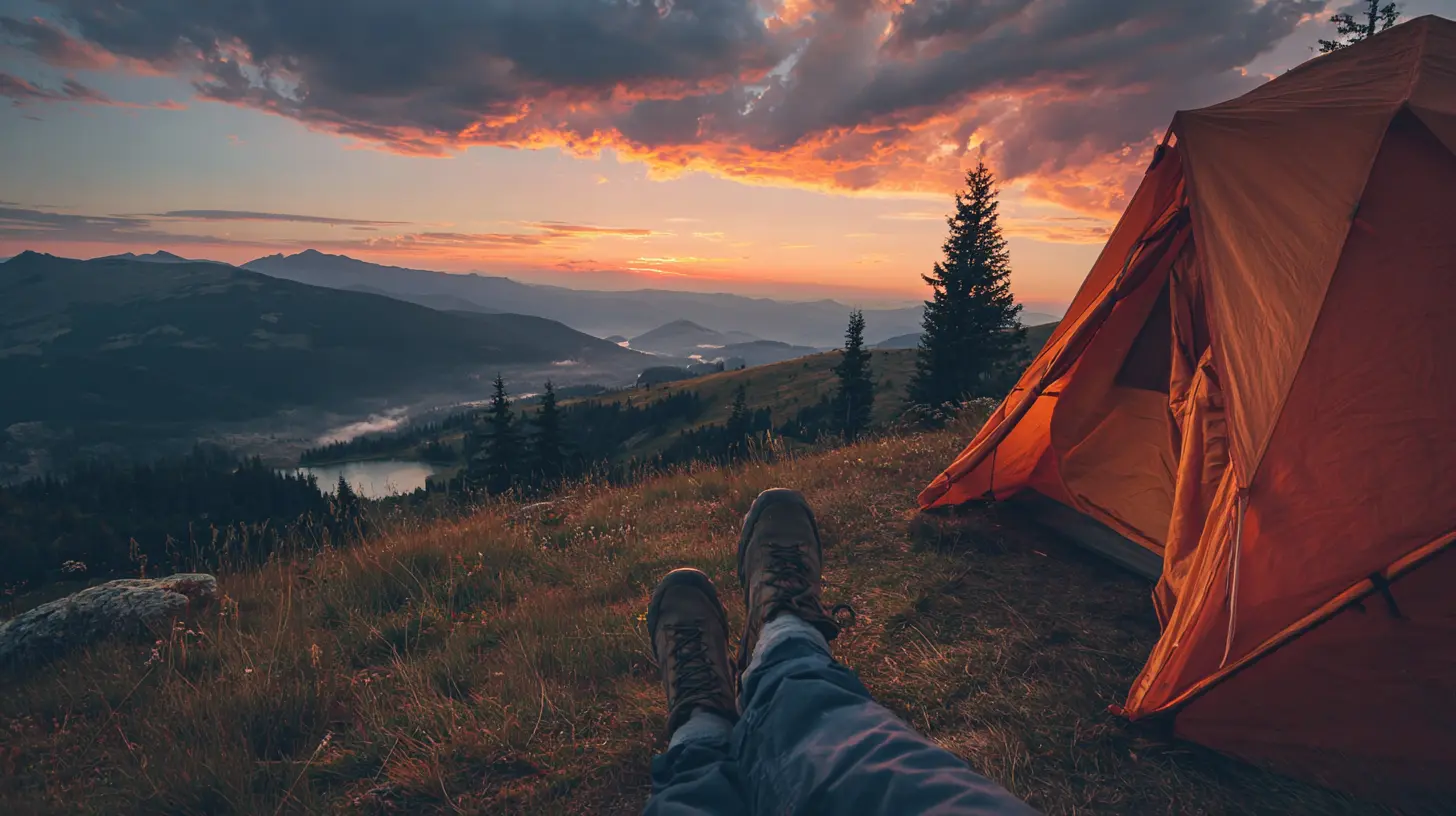
The One Hack That Changes Everything
Here is the most important hack of all: slow down. Camping is not a race. You do not need to set a world record for tent assembly or fire-starting. Take your time. Enjoy the process. The best memories come from the moments you did not plan.I remember one night when my fire would not catch, and I gave up. I sat in the dark, eating cold beans from a can, staring at the stars. It was the most peaceful meal of my life. Sometimes, the hacks that work are the ones that remind you to let go.
Final Thoughts
Camping in 2026 is easier than ever, but only if you use the right tricks. From warming your sleeping bag with a water bottle to starting fires with dryer lint, these hacks are designed to save time, reduce stress, and keep you comfortable. They are not magic, but they feel like it when you are out in the woods.So next time you pack your car, throw in a few bungee cords, a Nalgene bottle, and a roll of duct tape. And remember: the best campers are not the ones with the fanciest gear. They are the ones who know how to make do with what they have. Happy camping.
all images in this post were generated using AI tools
Category:
Camping AdventuresAuthor:

Taylor McDowell
Discussion
rate this article
1 comments
Oren McVey
I loved this article on camping hacks! Your tips are so practical and really capture the joys of outdoor life. It's inspiring to think about how these simple ideas can transform our adventures in nature. I can't wait to try them on my next trip!
June 7, 2026 at 4:07 PM
Taylor McDowell
Thank you for the kind words! I'm glad you found the tips helpful. Enjoy your next adventure!