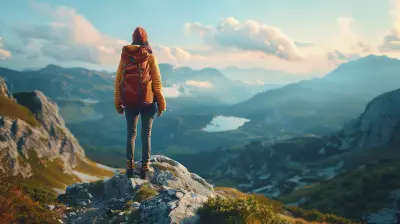
Chile’s Lake District: Gateway to the Andes
7 August 2026
Imagine a place where snow-capped volcanoes kiss the sky, ancient forests whisper secrets in the wind, and glassy lakes reflect surreal landscapes that feel pulled from a dream. Sounds magical, right? Welcome to Chile’s Lake District — a jaw-dropping, goosebump-inducing region that acts as a natural gateway to the mighty Andes.
If you're itching for an off-the-beaten-path adventure, or simply want to soak in some of the world's most dazzling natural beauty without the Instagram crowds, buckle up. In this guide, we're diving deep into why Chile's Lake District should be your next adventure fix.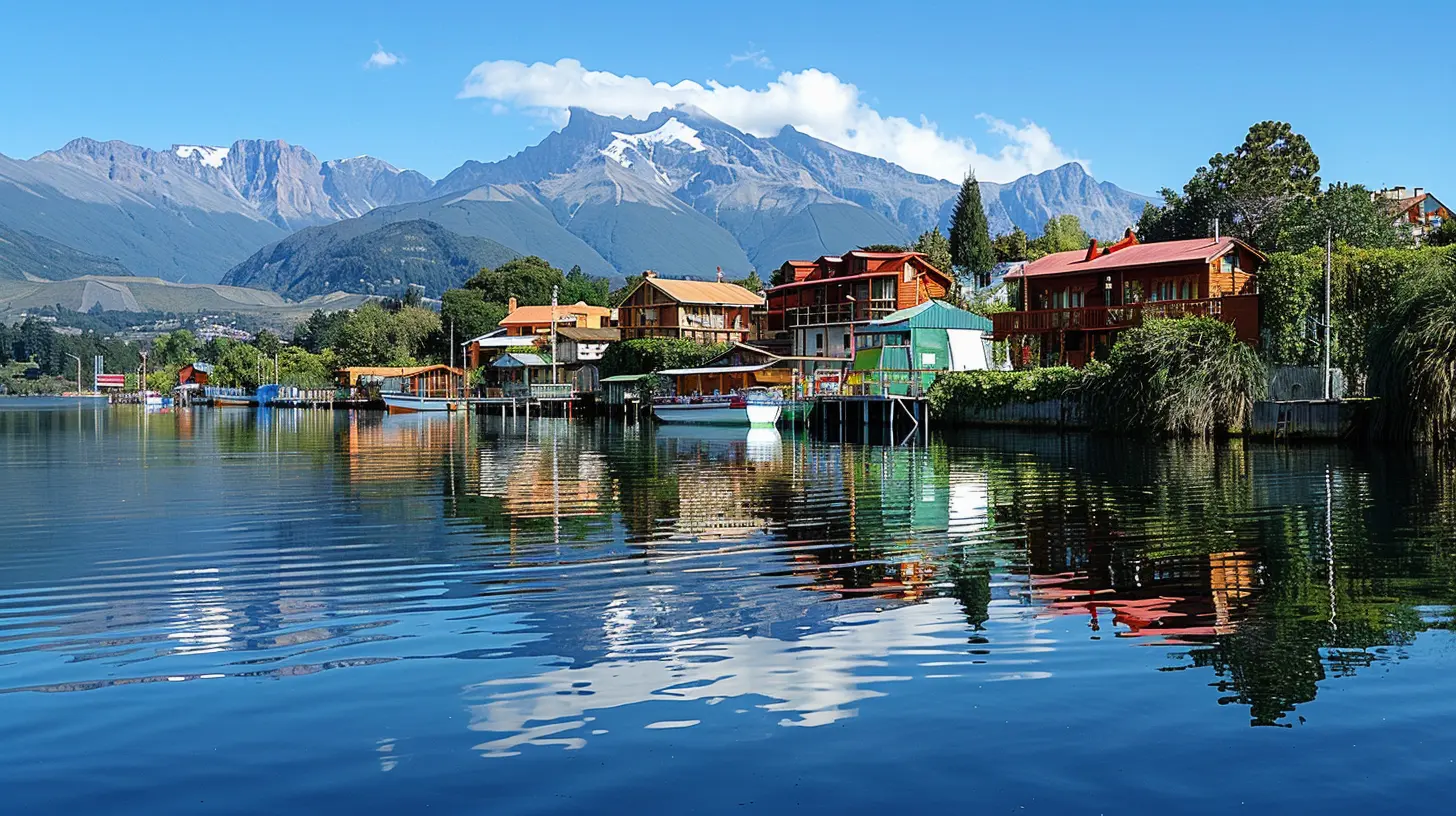
Where On Earth Is Chile’s Lake District?
Let’s set the scene. Sandwiched between Santiago in the north and Patagonia in the south, Chile’s Lake District stretches roughly from the town of Temuco down to Puerto Montt. It’s part of Southern Chile and covers Regions IX to X — that's Araucanía and Los Lagos, for the map lovers out there.Picture this: alpine lakes, colossal volcanoes, bubbling hot springs, and lush valleys all rolled into one region. It’s like the Swiss Alps met New Zealand and decided to settle down in South America.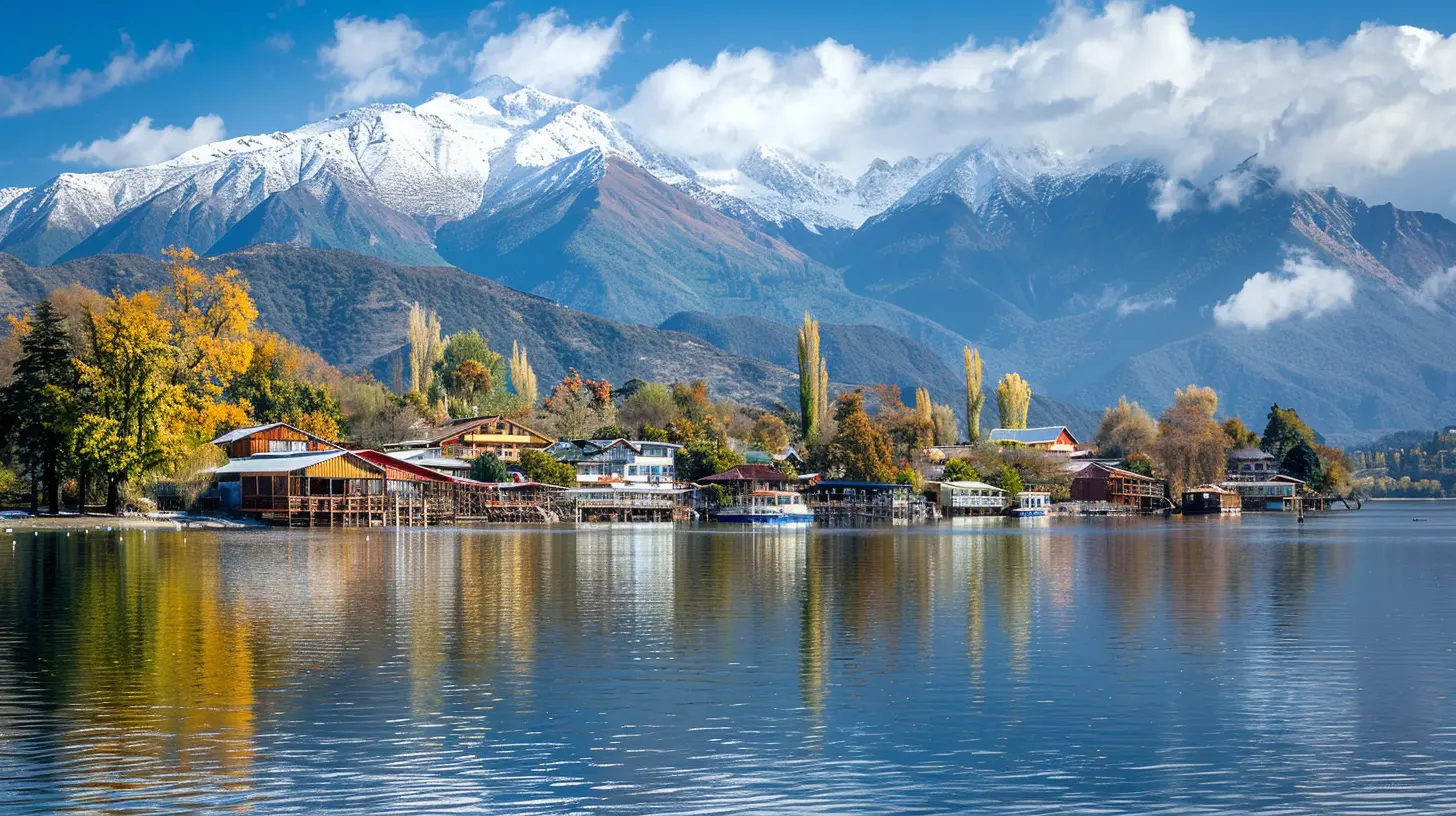
Why Is It Called “The Lake District”?
Well, the name says it all. This region boasts over a dozen large, glacial lakes — each one more mesmerizing than the last. Think shimmering turquoise waters cradled by forests and framed by snowy peaks. The lakes, formed by retreating glaciers eons ago, create a perfect backdrop for hiking, kayaking, fishing, or just staring in awe.Some of the most famous lakes include:
- Lago Llanquihue (yep, try pronouncing that — it’s a mouthful but absolutely worth the visit)
- Lago Villarrica
- Lago Ranco
- Lago Puyehue
- Lago Todos los Santos
If you’re into serene vibes and postcard-worthy views, these lakes are calling your name.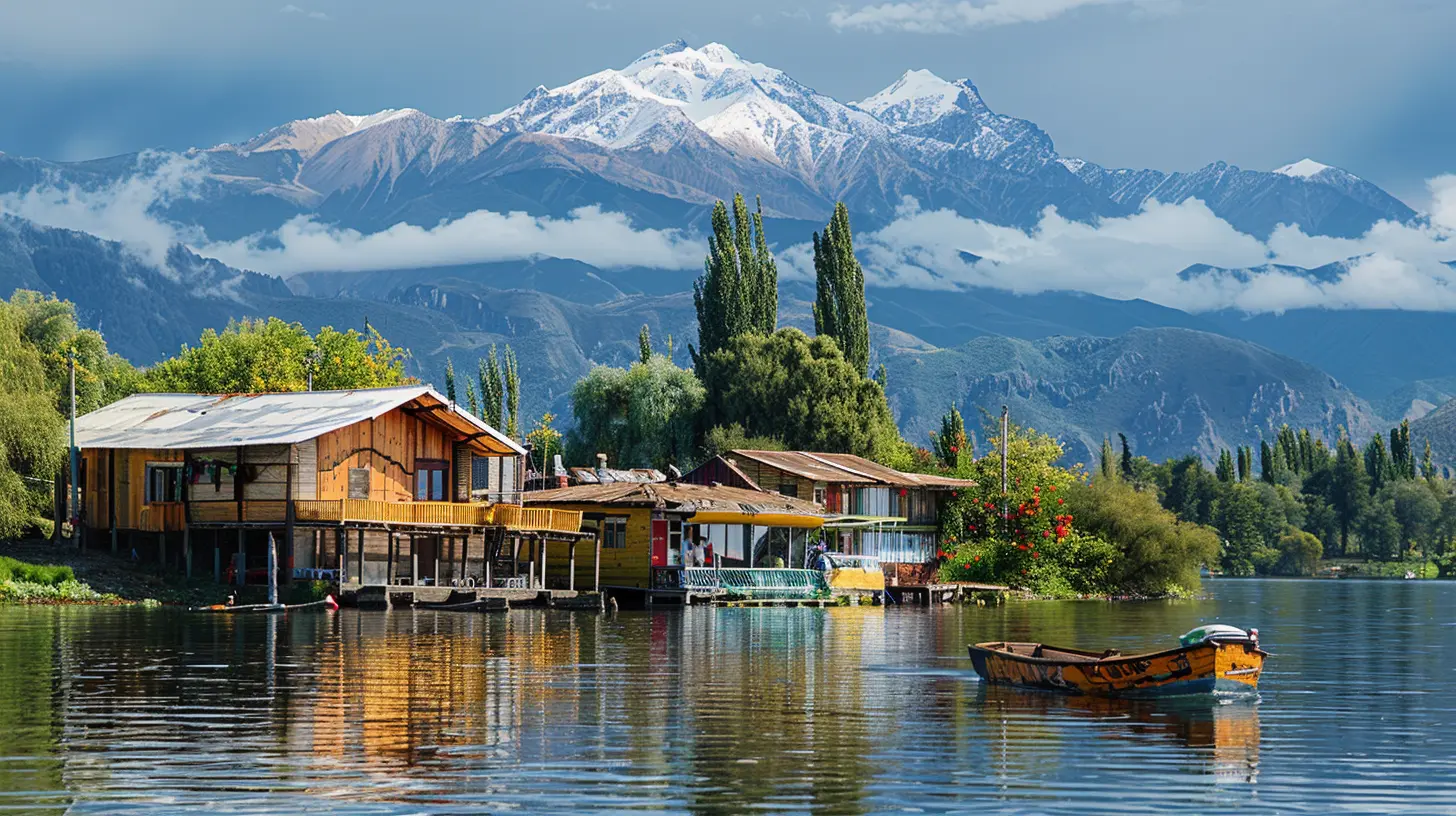
The Volcanoes Are Stealing the Show
Now, don’t get too hypnotized by the lakes — because the volcanoes here are equally spellbinding. Active or dormant, these giants loom in the background like ancient guardians.- Volcán Osorno: This near-perfect cone-shaped volcano could easily be mistaken for Mount Fuji, and it’s one of the region’s most iconic peaks. Bonus? You can ski on it during the winter.
- Volcán Villarrica: One of the most active volcanoes in South America. You can actually hike it (with a guide, of course) and see molten lava if you're lucky!
- Volcán Llaima and Volcán Antuco: Lesser-known, but incredibly photogenic.
Let’s be real — where else can you sip on Chilean wine while staring at a volcano across a lake, all without a single tourist in sight?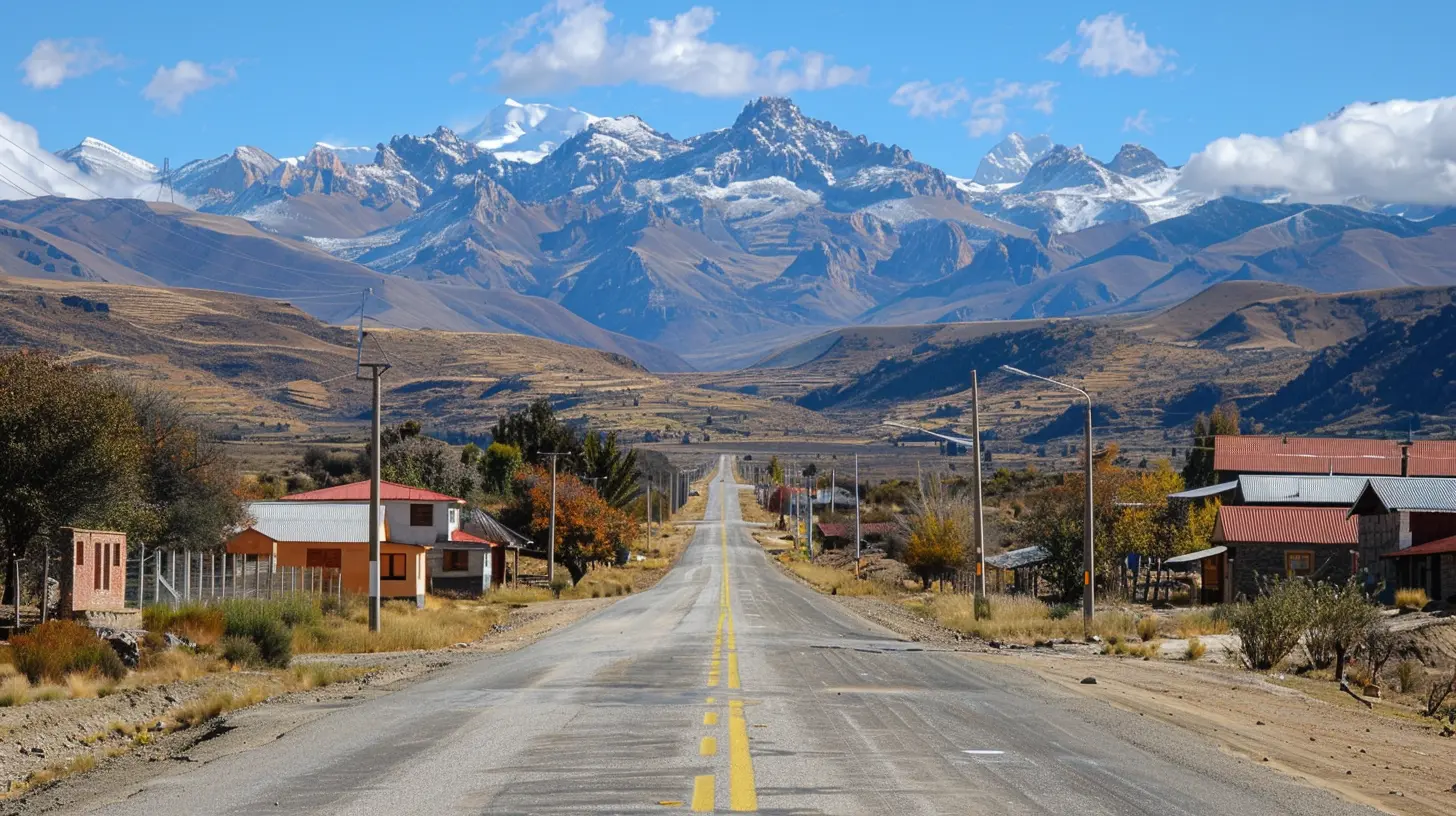
The Gateway to the Andes: What Does That Even Mean?
Good question! You see, the Andes mountains stretch for more than 7,000 km along South America, and in Chile’s Lake District, they start to rise dramatically from the landscape. That’s why people call it the “gateway” — it’s the natural transition from the lush valleys of central Chile to the rugged terrains of the Andean highlands and eventually down into the wilds of Patagonia.For trekkers, hikers, climbers, and adventurers, this region offers a gentle introduction to the Andes without throwing you into the deep end. It’s the perfect training ground — think of it like the pre-game before the big leagues.
Pucón: The Adventure Capital
If you’re after adrenaline, look no further than Pucón — Chile’s undisputed adventure hotspot. Nestled between Lake Villarrica and the Villarrica Volcano, this backpacker paradise has everything:- White-water rafting on the Trancura River
- Canyon swings
- Volcano treks
- Mountain biking
- Hot spring hopping
Pucón’s got that cool, laid-back vibe, where tourists, locals, and thrill-seekers all mingle over craft beer and stories of near-death kayaking adventures.
German Influence? Yup, That’s a Thing Here
Bet you didn’t expect that one.In the mid-19th century, German settlers arrived in the region and left their mark — and it’s still very visible today. You’ll find it in:
- The charming architecture (think Bavarian chalets)
- The bakeries (the kuchen is to die for)
- The beer (we’re talking full-bodied, craft-style brews)
Towns like Frutillar, Puerto Varas, and Osorno feel like little slices of Europe in the middle of the Chilean wilderness. It’s a surprising twist that adds to the region’s charm.
National Parks That’ll Blow Your Mind
Nature lovers, get ready to geek out. This region is packed with national parks that offer untouched beauty and trails less trampled.1. Vicente Pérez Rosales National Park
Chile’s oldest national park and one of its most photogenic. Waterfalls, rivers, glaciers, and of course, Lake Todos los Santos. Don’t miss the Petrohué Falls — they’re an Instagram dream.2. Huerquehue National Park
Close to Pucón, this park offers classic Patagonian forest treks with dreamy lakes and ancient Araucaria trees (a.k.a. monkey puzzle trees). It's a fairytale forest on steroids.3. Puyehue National Park
Volcanoes? ✅Hot springs? ✅
Lush forests? ✅
This park ticks all your boxes for a wild, beautiful escape.
The Hot Springs Are Next Level
After a long hike or volcano trek, there’s no better way to relax than soaking in a natural hot spring surrounded by forests and mountains. Luckily, the Lake District has plenty of these geothermal gems.Some of the best ones?
- Termas Geométricas: Tucked inside a mystical canyon, with a network of wooden walkways and dozens of thermal pools. It’s like stepping into another dimension.
- Termas de Huife: Just outside Pucón, offering pools of varying temperatures and stunning river views.
- Termas Aguas Calientes: Located inside Puyehue National Park — it's wild, rustic, and beautiful.
When’s the Best Time to Visit?
That depends on what you're into:- Summer (Dec–Feb): Great for hiking, kayaking, and volcano climbing.
- Winter (Jun–Aug): Perfect for skiing and hot springs.
- Shoulder seasons (Spring and Fall): Fewer crowds, mild weather, and all the nature to yourself.
Honestly, there’s no bad time. Each season shows the region in a different light — but all of them are magical.
Local Flavors That’ll Tickle Your Taste Buds
Food here is a delightful mix of indigenous Mapuche influences and German heritage. That means smoky, hearty, and wholesome.- Curanto: A traditional Chilote dish made with shellfish, meats, potatoes, and veggies — all cooked underground on hot stones. It’s a feast and a show.
- Kuchen & Strudel: Thanks Germany!
- Merkén: A smoky chili spice made by the Mapuche people — sprinkle it on everything.
And, let’s not forget the wine. Chilean reds like Carmenere pair beautifully with lakeside sunsets and fresh trout from the lake.
Getting There and Getting Around
Most travelers fly into Temuco or Puerto Montt, depending on which end of the Lake District you’re exploring. From there, renting a car is your best bet. Public transport exists, but trust me, having your own wheels lets you chase those hidden trails and secret hot springs.Road tripping through this region feels like unlocking cheat codes to some kind of South American fantasyland.
Pro Tips Before You Go
- Pack layers: Weather can be unpredictable.- Learn some Spanish: English isn’t widely spoken in rural areas.
- Stay longer: You’ll thank yourself.
- Bring a camera: Or three.
- Respect the land: Much of it is sacred to the indigenous Mapuche communities.
Final Thoughts: Is It Worth It?
Let me put it this way — if you're craving a destination that blends outdoor adventure, cultural richness, and fewer tourists, Chile’s Lake District is a bullseye. It’s where wild nature meets quirky towns, where the Andes begin to rise majestically, and where every turn on the road feels like flipping to a new page in a nature magazine.So go ahead, pack your hiking boots, grab your sense of wonder, and start your Lake District journey. Who knows? You just might leave a little piece of your heart on the shores of Llanquihue or in the steam of a hidden hot spring.
all images in this post were generated using AI tools
Category:
South America TravelAuthor:

Taylor McDowell