Endangered Art? Museums Focused on Cultural Preservation
24 June 2026
Art isn't just about pretty paintings and ancient sculptures; it's a reflection of who we are, where we've been, and the stories that define us. But what happens when these treasures start disappearing? With time, war, climate change, and even neglect threatening cultural heritage worldwide, the urgency to protect and preserve art has never been greater. Fortunately, museums worldwide have stepped up to the challenge, becoming guardians of endangered art and ensuring that future generations can experience the beauty and history that might otherwise be lost.
So, how are they doing it? And which museums are leading the charge in cultural preservation? Let’s dive in and uncover the incredible efforts being made to safeguard our artistic heritage. 
Why Is Cultural Preservation So Important?
Imagine a library where half the books are missing — that’s what losing cultural artifacts feels like. Every painting, sculpture, or ancient manuscript carries a piece of history. Without them, we risk losing irreplaceable knowledge, traditions, and identities.Cultural preservation isn't just about maintaining old relics — it's about honoring the legacies that shape our world. Art tells stories of civilizations long gone, showcases human creativity, and connects us with our roots. Letting these treasures disappear would be like tearing pages out of history books, leaving future generations with an incomplete story.
Threats to Cultural Heritage
Cultural treasures face a range of threats, including:- War and Conflict – Armed conflicts have destroyed museums, temples, and historical sites. Looting and illegal trade during wars also contribute to the loss of priceless artifacts.
- Climate Change – Rising temperatures, humidity, and natural disasters have put many historical sites at risk. Coastal cities with centuries-old art collections are particularly vulnerable.
- Neglect and Lack of Funding – Some cultural sites don’t receive the funding they need to maintain or restore their artwork, leading to decay over time.
- Looting and Illegal Trade – Stolen artifacts often end up in private collections, robbing the public of their cultural heritage.
Thankfully, museums worldwide are stepping up to combat these challenges. From advanced restoration techniques to digital archiving, they are working hard to ensure that endangered art doesn’t vanish forever. 
Museums Leading the Charge for Cultural Preservation
1. The Louvre (France) – A Safe Haven for Art
The Louvre isn’t just famous for housing the Mona Lisa—it's also a fortress protecting endangered art. Recognizing the threats posed by climate change and conflict, the museum has relocated thousands of pieces to a secure facility outside of Paris. The goal? To keep delicate artifacts safe from floods and other environmental risks.Additionally, the Louvre actively helps return looted artifacts to their countries of origin. Acting as both a protector and a responsible borrower, it sets a precedent for museums worldwide.
2. The British Museum (UK) – Preserving Heritage, One Artifact at a Time
The British Museum has been at the center of discussions on artifact repatriation, but beyond the controversy, it has done remarkable work in preserving endangered art. Their conservation department uses cutting-edge technology to restore fragile manuscripts, sculptures, and textiles.One of the museum’s standout projects is its effort to digitize rare collections. By scanning and creating high-resolution images of ancient texts and artworks, they ensure that knowledge isn’t lost, even if the physical objects are damaged beyond repair.
3. The Getty Conservation Institute (USA) – Science Meets Art
Preserving art isn’t always about locking it away—it’s also about understanding how to protect it. The Getty Conservation Institute in Los Angeles is renowned for its research into conservation techniques.They work with museums and cultural institutions worldwide, offering expertise on how to restore aging frescoes, protect delicate textiles, and even safeguard ancient ruins. By blending science with cultural preservation, the Getty is helping museums keep our artistic heritage alive.
4. The National Museum of Anthropology (Mexico) – Safeguarding Indigenous Art
Mexico’s cultural history is vast, with indigenous civilizations like the Maya and Aztecs leaving behind incredible works of art. However, many of these relics are at risk due to environmental factors and illegal trade.The National Museum of Anthropology plays a crucial role in preserving and showcasing Mexico’s rich history. Their focus on indigenous traditions ensures that cultural narratives aren’t lost in modern times. The museum actively collaborates with historians and craftspeople to keep ancient traditions alive.
5. The Acropolis Museum (Greece) – Protecting Ancient Greece’s Legacy
Greece is home to some of the world’s most treasured antiquities, but centuries of exposure to the elements have taken their toll. That’s where the Acropolis Museum comes in.Designed with preservation in mind, the museum offers climate-controlled environments to protect fragile marble sculptures and ancient artifacts. They also use 3D scanning to document aging structures, ensuring that even if time takes its toll, a digital copy remains for future study and restoration. 
How Technology Is Revolutionizing Art Preservation
In today’s digital age, technology has become a powerful tool in preserving endangered art. Here’s how:- 3D Scanning and Printing – Museums are creating digital versions of artifacts, allowing researchers to study them in detail and even print replicas when needed.
- AI-Powered Restoration – Advanced AI algorithms help repair damaged paintings and faded manuscripts, breathing new life into old masterpieces.
- Blockchain for Provenance Tracking – Museums are now using blockchain technology to track the history of artifacts, reducing illegal trade and ensuring authenticity.
- Virtual Reality (VR) Exhibits – Even if you can’t travel across the world, VR museums let you explore ancient treasures from the comfort of your home. This accessibility ensures that cultural heritage reaches a global audience. 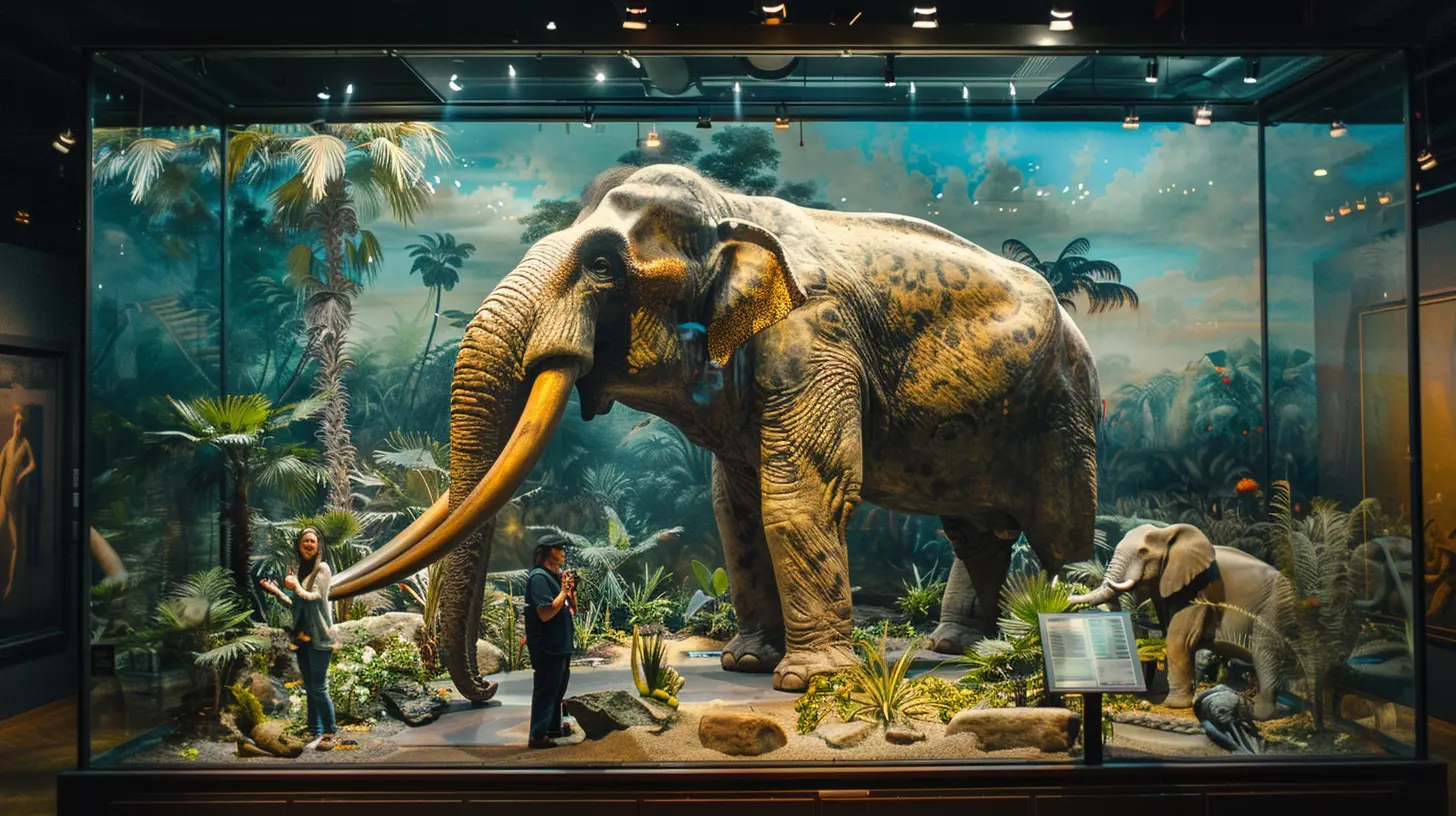
What Can We Do to Help?
You don’t have to be an art historian to play a role in cultural preservation. Here’s how anyone can contribute:- Visit Museums and Support Their Work – Your ticket purchase helps fund preservation projects.
- Donate to Cultural Foundations – Many organizations work tirelessly to protect endangered art. Even small donations make a difference.
- Advocate for Repatriation Efforts – Respecting the origins of artifacts and supporting their rightful return to native communities ensures ethical preservation.
- Spread Awareness – Share stories about cultural heritage preservation with friends and family. The more people who care, the greater the impact.
The Future of Endangered Art
The fight to save endangered art is an ongoing battle, but museums and cultural institutions remain dedicated to keeping our artistic heritage intact. Through innovative technology, responsible stewardship, and global collaboration, they are ensuring that masterpieces from the past continue to shine well into the future.Art tells our story — and thanks to these preservation efforts, that story won’t be lost. So, the next time you step into a museum, take a moment to appreciate the rich history behind each artifact. Because behind every piece of art is a world worth remembering.
all images in this post were generated using AI tools
Category:
Museums And GalleriesAuthor:

Taylor McDowell
Discussion
rate this article
1 comments
Beau Barrett
What a thought-provoking piece! It's so important to preserve cultural heritage. Museums not only showcase art but also tell stories that connect us all. Let's cherish and protect these treasures for future generations to appreciate...
August 6, 2026 at 3:36 PM