Evacuation Coverage Explained: How Travel Insurance Saves Lives
17 August 2026
Let’s be honest—traveling is exhilarating, eye-opening, and downright life-changing. But sometimes, things don't go as planned. Imagine you're hiking through the lush forests of Costa Rica or exploring the ancient ruins in remote Greece when—bam!—you slip, twist your ankle, or worse, get caught up in a serious medical emergency.
Now, what? You’re thousands of miles from home, without access to proper healthcare, and the nearest modern hospital is an air ambulance ride away. Sounds harrowing, right? That’s where evacuation coverage shines.
In this article, we’re digging deep into the world of evacuation coverage in travel insurance—what it is, how it works, and yes, how it can literally save your life.
Let’s buckle up and unpack this life-saving travel hero you probably didn't know you needed.
What is Evacuation Coverage?
Okay, so first things first—what even is evacuation coverage?In the simplest terms, evacuation coverage is a component of travel insurance that pays for emergency medical transportation. If you become seriously ill or injured during your trip and local facilities can't treat you properly, this coverage gets you to the nearest healthcare facility—or even back home.
Think of it like a medical Uber, but in helicopter or jet form, and likely with a few zeroes added to the cost. We're talking about potentially tens—or even hundreds—of thousands of dollars in expenses that you won’t want to pay out of pocket.
It's Not Just About Getting You Home
Contrary to what some might think, emergency evacuation doesn’t always mean you’ll be flown home to get treated. Instead, it often means getting you to the nearest adequate facility.Key word: “adequate.” That could be the next city over. Or it might be another country altogether.
Why It Matters More Than You Think
I know what you're probably thinking: "I'm healthy! I won't need that!" Well, here's the twist—emergencies don’t care about your gym routine or green smoothie habit.Emergencies Are Unpredictable
Let’s throw some quick-fire scenarios at you:- You fall off a motorbike in Bali and break your leg.
- You contract a severe illness in a remote part of the Amazon.
- You suffer altitude sickness hiking in Nepal.
- A natural disaster strikes, and you're stranded.
In these situations, local clinics might not be equipped to handle critical injuries or complex conditions. That’s when an air evacuation, complete with trained medical personnel, becomes non-negotiable—and ridiculously expensive if uninsured.
The Price Tag? It’ll Make Your Jaw Drop
Need some numbers to wrap your head around it?- Air ambulance from Southeast Asia to the U.S.: $90,000+
- Helicopter evacuation within the Alps: $10,000
- Medical jet from Africa to Europe: $150,000
Without evacuation coverage, guess who’s footing the bill? That’s right—you are. And trust me, that’s one souvenir you'd rather not bring home.
Different Types of Evacuation Coverage
It’s not a one-size-fits-all situation. There are levels and types of coverage, depending on your insurer and the policy you choose.1. Medical Evacuation
This is the most common and refers to emergency transportation from the site of injury or illness to the nearest suitable medical facility.2. Repatriation
This involves transporting you back to your home country for further treatment once you’re stabilized. Most of the time, repatriation isn't automatic—it generally needs to be medically necessary and approved by the insurance provider.3. Non-Medical Evacuation
Sometimes, it's not about your health—it's about safety. If there’s political unrest, a natural disaster, or another crisis (hello, pandemic travel bans), non-medical evacuation will help get you out safely.4. Companion or Family Travel Costs
Some evacuation plans even cover a loved one flying to your side or accompanying you back if you’re evacuated. Because let's face it: hospital gowns and loneliness are a terrible mix.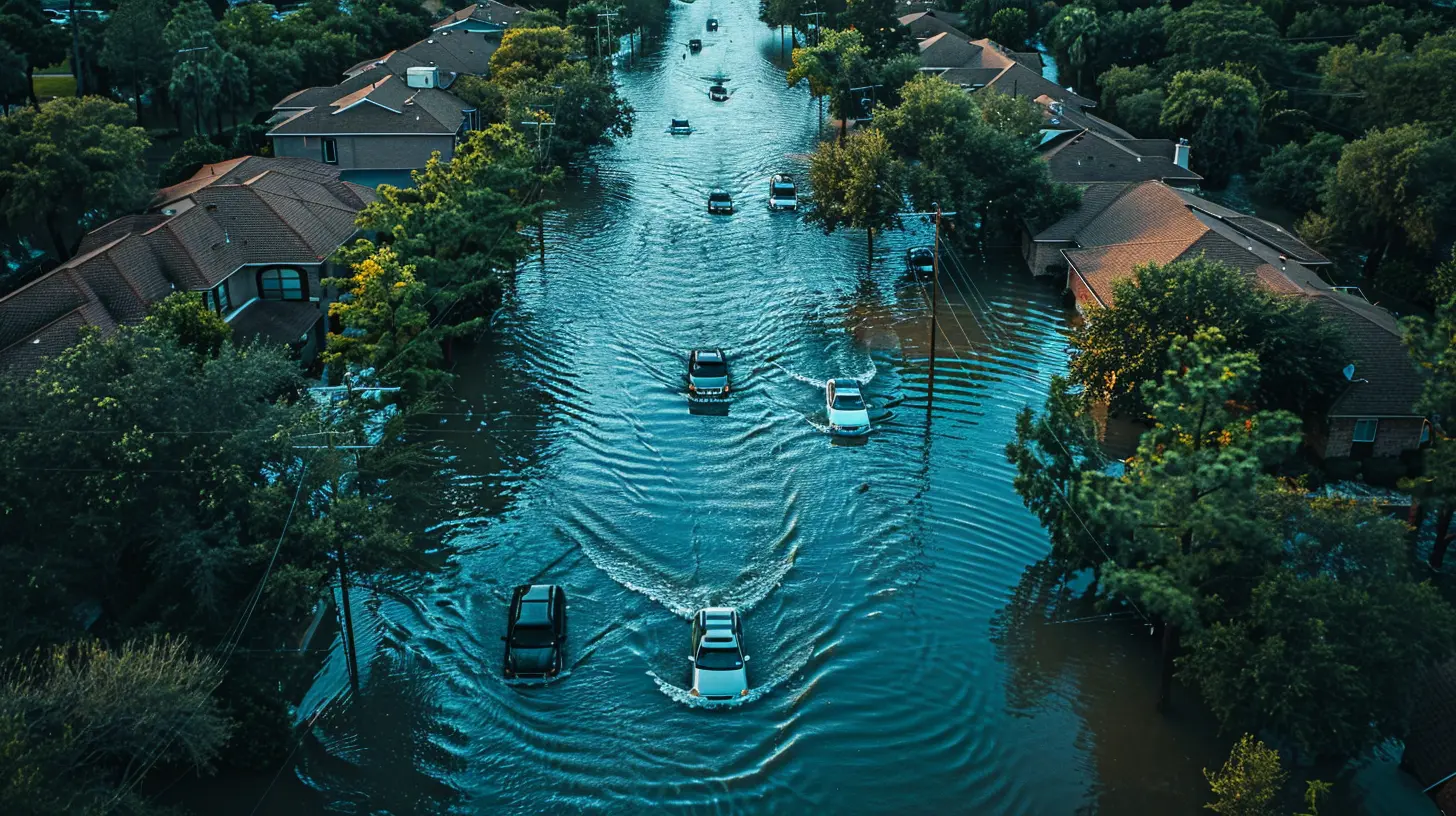
Who Needs Evacuation Coverage?
While technically everyone can benefit, some travelers need this coverage more than others.Adventure Travelers
If you're into skiing, diving, mountain climbing, or jungle trekking—you’re literally asking for it (in the best way possible). Adventure often correlates with risk.Remote Location Seekers
Love inaccessible islands or off-the-grid villages? Fantastic! But just remember: remote often equals resource-limited, and that can be a real problem in a medical emergency.Senior Travelers
Age doesn’t always come alone—it often brings pre-existing conditions or just an increased chance of something going wrong. Most insurers even design senior-oriented plans with comprehensive evacuation policies.Solo Travelers
If you're traveling alone, you won’t always have someone nearby to help navigate a chaotic medical emergency. Evacuation coverage adds that safety net.What Does Evacuation Coverage Include?
Not all policies are created equal. But a good evacuation coverage plan should typically include:- Ground transportation to the nearest medical facility
- Emergency air transportation (helicopter, plane, etc.)
- Medical care during transport
- Coordination of communication between hospitals
- Repatriation home after initial stabilization
- Coverage for travel companion or return of minors
- Non-medical evacuation in crisis zones
Always read the fine print. Some policies require pre-approval. Others may restrict coverage based on location (like war zones). Knowing these details can make or break your trip... and your wallet.
What About Your Regular Health Insurance?
Ah, yes. You might be wondering, “Doesn’t my health insurance cover all this?” Honestly? Probably not.Most standard health insurance plans, especially in the U.S., don’t cover international evacuation costs. Even if they do, the process is often tedious, coverage is limited, and the paperwork is migraine-inducing.
That’s why seasoned globetrotters always pair their regular insurance with dedicated travel insurance containing evacuation coverage. Think of it as upgrading your life jacket before jumping off the boat.
Real-Life Stories of Evacuation Coverage in Action
These aren’t just hypotheticals. Real travelers have lived through—and survived—life-threatening situations, thanks to prompt emergency evacuation.Case #1: Trekking Gone Wrong in Peru
A Canadian traveler suffered a high-altitude pulmonary edema while hiking in the Andes. A helicopter airlifted him to Lima where specialists treated him. His evacuation expenses topped $75,000—all covered by his travel insurance.Case #2: Dengue Fever in Thailand
An American backpacker contracted severe dengue fever in a rural Thai village. Local facilities couldn’t manage his deteriorating condition. He was airlifted to a hospital in Bangkok. Evacuation coverage saved his life and $55,000.Case #3: Political Unrest in Sudan
A group of aid workers needed immediate extraction due to sudden conflict. Their non-medical evacuation was arranged through a specialty insurer which chartered a private jet within 48 hours.These aren't tall tales—they’re reminders that having the right coverage can turn a nightmare into a manageable hiccup.
How to Choose the Right Evacuation Coverage
There's a sea of insurance plans out there, which can be overwhelming. But choosing the right evacuation coverage doesn’t have to feel like rocket science.Here’s a cheat sheet:
1. Look at the Coverage Limit
Many plans offer $100,000 to $500,000. While that sounds like a lot, make sure it fits your destination and activity level.2. Worldwide Availability
Ensure the policy covers evacuation from all countries you intend to visit—even those marked as high-risk.3. 24/7 Assistance
This is non-negotiable. You want a team that picks up the phone anytime, anywhere.4. Local vs. Repatriation
Check if the policy covers repatriation back home or just to the nearest facility. Big difference.5. Read Reviews and Ratings
Real user experiences can tell you a lot more than polished marketing material.Tips To Avoid Needing an Evacuation (But Be Ready Anyway)
No one plans to get hurt or fall ill while traveling. But a few precautions can seriously reduce your chances of ending up in a medical helicopter.- Get vaccinated: Stay ahead of regional diseases.
- Know your limits: Don’t overestimate your capabilities, especially in adventure sports.
- Stay hydrated and well-rested: Common sense, but frequently ignored.
- Research local healthcare: Know where the nearest quality facility is.
- Carry your insurance details: Always have them on you—paper and digital copies.
Still, even with all the prep in the world, surprises happen. That’s exactly why evacuation coverage exists—to be your Plan B (or more like Plan OMG).
Final Thoughts: Is It Really Worth It?
Let’s not sugar-coat it—travel insurance isn’t the most thrilling part of planning a trip. It’s not cute like a new passport wallet or exciting like a first-class upgrade. But it’s undeniably one of the most important.When you're jet-setting across borders and continents, evacuation coverage gives you peace of mind. It's your invisible bodyguard, always standing by in case your adventure takes a wild turn.
So the next time you're planning your next big escape, don’t just pack your bags—pack protection that could save your life.
all images in this post were generated using AI tools
Category:
Travel InsuranceAuthor:

Taylor McDowell