How Museums Keep History Alive Through Interactive Storytelling
6 January 2026
Imagine walking into a museum and stepping straight into history. Not just reading about it on a plaque, but actually feeling like you're part of the story. That’s not a fantasy—it’s the power of interactive storytelling, and it’s revolutionizing how museums keep history alive.
From digital touchscreens to immersive exhibits, museums around the world are ditching the dusty, look-but-don’t-touch vibe for something a lot more engaging. They’re telling stories that stick—stories you don’t just hear or see, but actually experience.
So, let’s dive into how museums are pulling this off, and why it’s making history more alive than ever.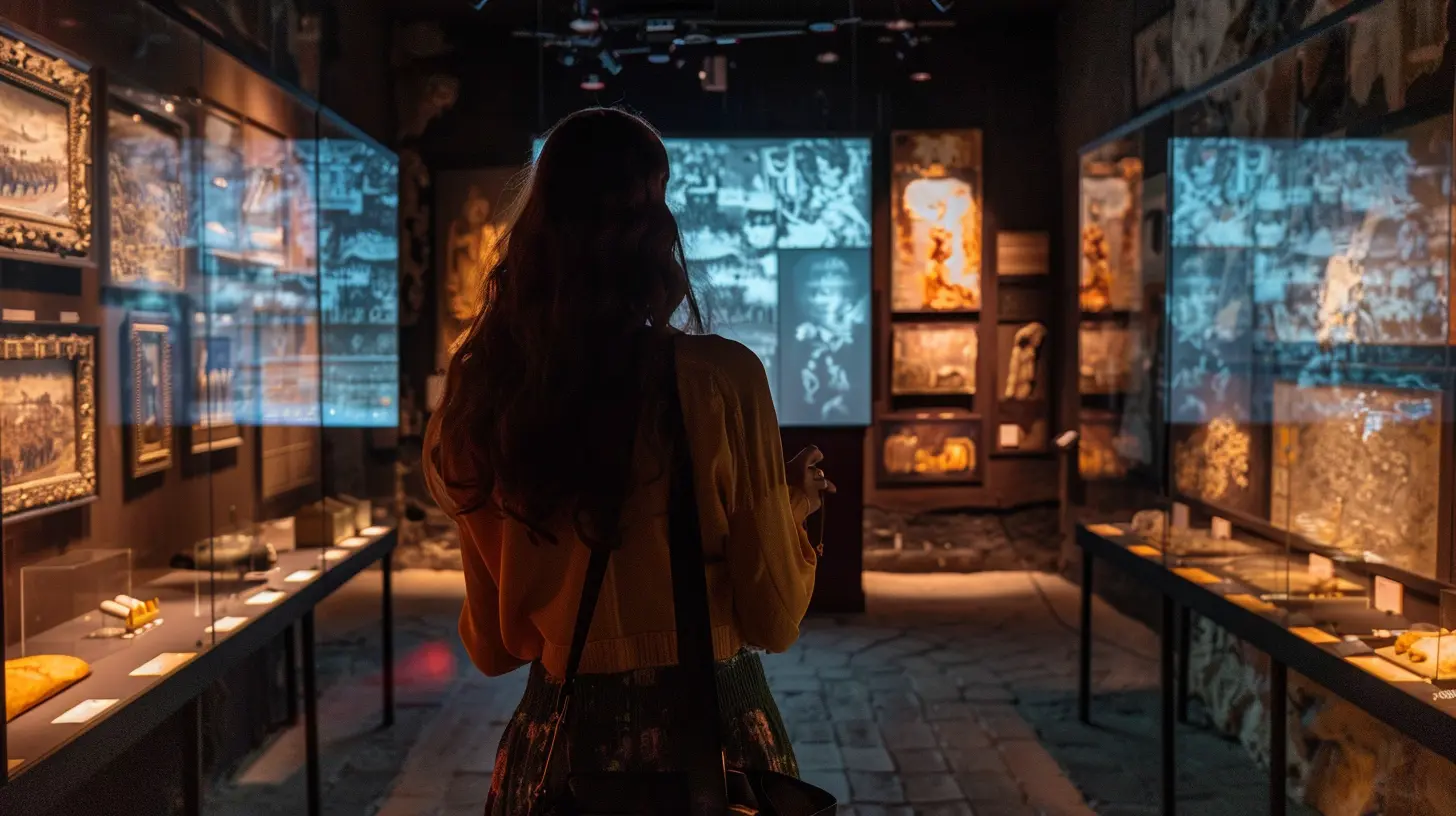
The Shift from Static to Story-Driven Exhibits
Let’s be honest. Traditional museum setups—glass cases, faded labels, and long paragraphs—can sometimes feel like reading a textbook on your feet. Not exactly thrilling, right?That’s why museums have stepped up their game. Instead of simply displaying facts, they’re telling captivating stories. And not just any stories—these are immersive, emotional narratives that place visitors in the shoes of people who lived through the events.
Take Holocaust museums, for example. Instead of just showing artifacts, many now offer personal testimonies from survivors through videos, audio, and even holograms. It turns a passive learning experience into an emotional journey.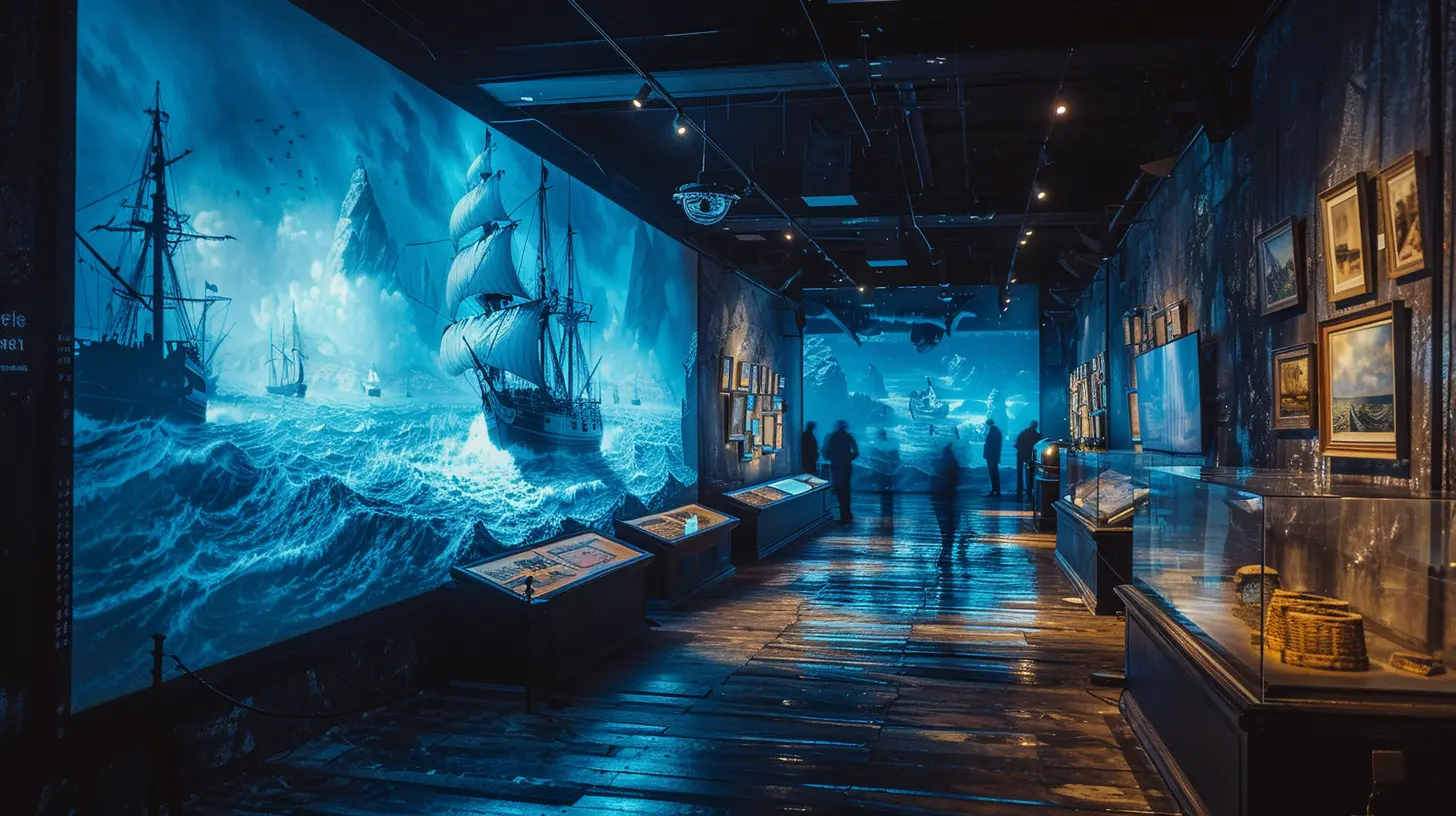
What Exactly Is Interactive Storytelling?
Interactive storytelling brings history to life by combining elements of technology, narrative, and user participation. It’s like choosing your own adventure—but in real life.Think touchscreens that let you explore a soldier’s diary… VR goggles that take you back to ancient Rome… or AR apps that animate historical figures when you point your phone at a statue.
It gives visitors control. They’re not just looking at the past—they’re interacting with it.
Key Elements of Interactive Storytelling:
- Engagement: Visitors become active participants, not just observers.- Emotional Connection: Personal stories evoke empathy and deepen understanding.
- Customization: People can create their own learning path.
- Technology Integration: VR, AR, AI, and digital archives all play a role.
Why This Matters: Making History Stick
Let’s face it—people forget dry facts. But they remember stories, especially ones they feel connected to.According to research, people retain up to 70% of information when it's part of an engaging story, compared to just 10% from reading plain text. That’s a huge difference.
Plus, millennials and Gen Z visitors—who grew up with interactive tech—expect more than just static exhibits. They want to be part of the action.
So, interactive storytelling isn’t just a trend. It’s a smart, powerful way to make history meaningful.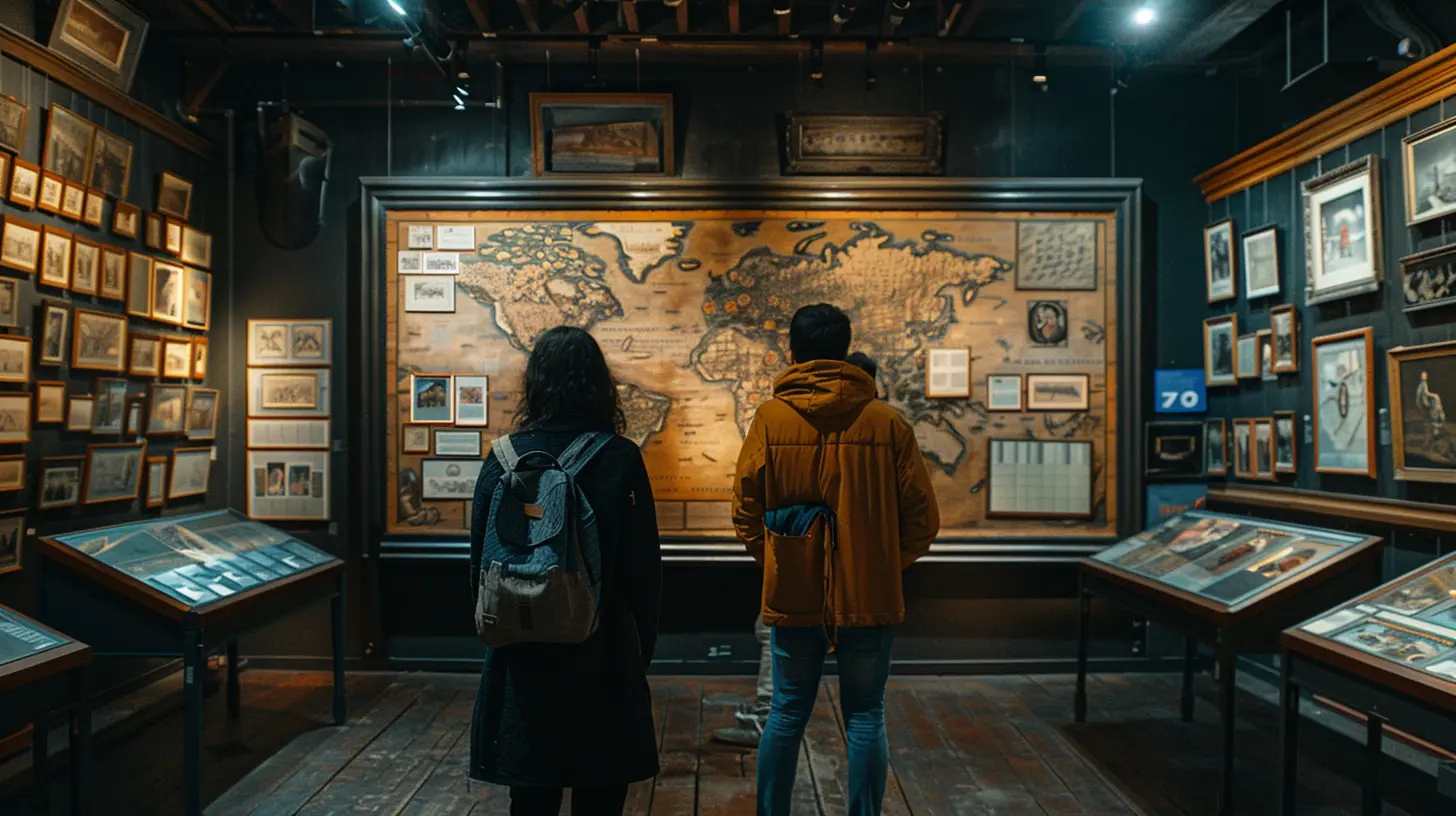
Real-World Examples of Interactive Storytelling in Museums
Alright, let’s get into some awesome real-life examples that show how museums are keeping the past alive.1. The Museum of the Future (Dubai, UAE)
Picture stepping into a time machine. That’s what the Museum of the Future pulls off with its cutting-edge exhibits. Using AI, robotics, and immersive environments, it doesn’t just tell stories—it projects you into them.Even though it focuses on the future, this museum teaches us how storytelling and interactive design blend to shape human understanding across all timelines.
2. The National WWII Museum (New Orleans, USA)
This one nails storytelling. Visitors receive a digital "dog tag" of a real WWII soldier and follow his journey throughout the museum. You can see where he trained, fought, and how his story ends. It's personal. It’s powerful.3. The British Museum (London, UK) with Google Arts & Culture
The British Museum partnered with Google to bring its exhibits online through 360-degree tours, interactive timelines, and artifact stories. Now, anyone with internet access can explore ancient civilizations like never before.4. The Anne Frank House (Amsterdam, Netherlands)
Using VR headsets, visitors can experience Anne Frank's secret annex as it might have looked in the 1940s. It’s hauntingly real—and an unforgettable way to connect with her story.5. The Canadian Museum for Human Rights
Interactive stations let visitors explore human rights issues from different viewpoints. Think multimedia displays, storytelling pods, and user-controlled timelines. It makes complex topics more personal and relatable.Tech That’s Changing the Game
Let’s geek out for a sec. Technology is the secret sauce behind many of these amazing exhibits.Augmented Reality (AR)
AR layers digital content over physical objects. Point your phone at a statue, and boom—a 3D figure starts talking to you about their life story. Cool, right?Virtual Reality (VR)
Strap on a VR headset and get transported to a different era. Whether it’s ancient Egypt or 1940s Berlin, VR makes you feel like you’re really there.Touchscreen Storyboards
These interactive screens let visitors choose what part of the story they want to explore. It’s like binge-watching history on Netflix.Projection Mapping
This tech turns walls into canvases. Museums use it to animate paintings, simulate battles, or reconstruct ruins in 3D. It's like history is unfolding before your eyes.AI-Powered Guides
Some museums now have AI chatbots or hologram guides that answer questions or tell stories. It adds a fun, futuristic twist to learning.Interactive Storytelling for Kids
Let’s not forget the little ones. Museums know that children learn best when they play, so many incorporate storytelling into hands-on exhibits.Imagine a pirate ship where kids can hoist sails and follow a treasure map that teaches them about maritime history. Or an archaeology dig where they uncover replicas of ancient artifacts while learning who used them and why.
Learning becomes a treasure hunt—and every find reveals a new story.
Challenges Behind the Magic
Sure, interactive storytelling sounds amazing—but it's not always easy to pull off.Cost
Let’s be real—tech isn’t cheap. From VR headsets to touchscreens, the gear alone can be pricey. Add in programming, maintenance, and staff training—it adds up fast.Accessibility
It’s crucial that these experiences are inclusive. Not everyone can use VR, hear audio guides, or read small text. Museums have to ensure that interactive elements are accessible to all.Content Overload
When visitors control the story, it’s easy to lose the plot. Great design is needed to guide users without overwhelming them.The Future: Where Storytelling Is Heading
You may think we’ve already seen it all—but the future of museum storytelling is just getting started.Here’s what’s coming next:
- Holographic Exhibits: Imagine historical figures appearing right in front of you to share their stories.
- AI Personalization: Exhibits that adapt based on your interests, age, or pace.
- Global Collaboration: Shared story experiences between museums on different continents.
The goal? To make history not just something you learn, but something you live.
What Can You Take Away from All This?
Here's the deal. Whether you’re a museum buff or someone who zoned out on history class, interactive storytelling changes the game.It turns museums into time machines, teleporting us into important moments. It helps us understand not just what happened, but how people felt when it did.
So next time you visit a museum, keep your eyes open for these interactive gems. Step inside the story. Play with the past. And remember—it’s not about what you see, it’s about what you experience.
Final Thoughts
Museums are no longer just quiet halls filled with old things. They’re dynamic spaces filled with emotion, technology, and human connection. Thanks to interactive storytelling, they’re keeping history not just alive, but thriving.So go ahead. Touch, listen, watch, and step into someone else’s shoes. Because when it comes to understanding the past, the best way to get it… is to live it.
all images in this post were generated using AI tools
Category:
Museums And GalleriesAuthor:

Taylor McDowell
Discussion
rate this article
2 comments
Drew Cain
This article insightfully highlights the transformative power of interactive storytelling in museums. By engaging visitors emotionally and intellectually, museums breathe life into history, making it more relatable. However, the challenge lies in striking a balance between entertainment and educational integrity, ensuring authenticity remains paramount.
January 28, 2026 at 4:38 AM
Taylor McDowell
Thank you for your thoughtful comment! I completely agree that balancing entertainment with educational integrity is crucial in interactive storytelling, ensuring we connect visitors with history authentically.
Kayla McDougal
Interactive storytelling in museums transforms history from static displays into engaging narratives that resonate with visitors. By immersing audiences in vivid experiences, these institutions not only preserve cultural heritage but also foster a deeper emotional connection, ensuring that history remains relevant and accessible to all.
January 8, 2026 at 5:22 PM
Taylor McDowell
Thank you for capturing the essence of interactive storytelling in museums! It truly enhances our connection to history and makes it more accessible and engaging for everyone.