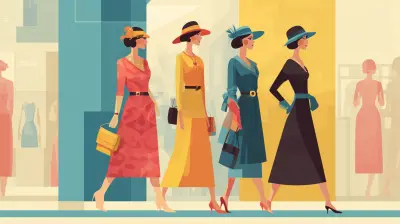
How Spain’s Flamenco Dance Celebrations Are Evolving by 2027
6 May 2026
You think you know flamenco, right? The red dress, the stomping heels, the guy with the guitar in a dimly lit cave in Granada. That image is burned into every travel brochure, every Instagram post from Seville. But here is the thing: flamenco is not a museum piece. It is a living, breathing, sometimes angry, sometimes hilarious conversation between the past and the present. And by 2027, that conversation is going to sound very different.
Let me take you on a journey through the dust, the sweat, and the digital screens of modern Spain. We are going to talk about how flamenco celebrations are shaking off the old stereotypes and stepping into a future that is just as raw, just as passionate, but way more unexpected.
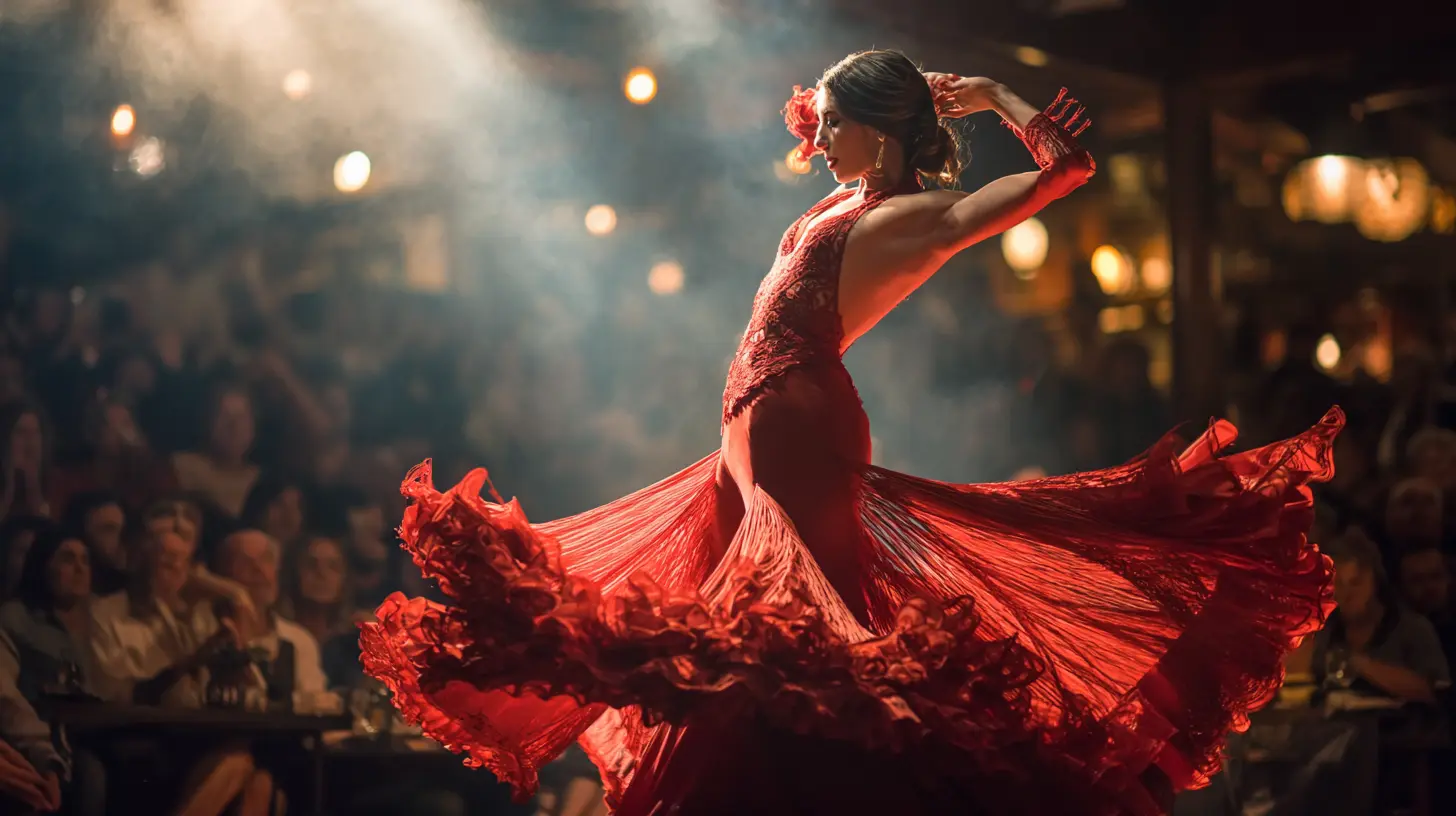
The Death of the "Authentic" Flamenco Show (And Why That Is Good)
We need to get one thing straight. The "authentic" flamenco show you see in tourist-heavy spots like the Sacromonte caves in Granada? That version is already dead. I am not saying the shows are bad. Some are fantastic. But the idea that there is only one pure, untouched way to do flamenco is a myth. It is like saying the only real way to eat pizza is from a tiny shop in Naples because your great-grandma did it that way. Come on.By 2027, the celebration of flamenco is less about preserving a fossil and more about evolution. The old guard who insisted on strict codes of dress, song structure, and dance steps are being gently nudged aside. Why? Because the younger generation grew up with reggaeton, electronic music, and global pop. They love their abuela's cante jondo (deep song), but they also love Beyonce. And they are not afraid to mix them.
This evolution is not a betrayal. It is survival. If flamenco only lived in those cave shows, it would become a folkloric curiosity. Instead, it is becoming a living art form that can hold a club night, a protest march, or a high-fashion runway.
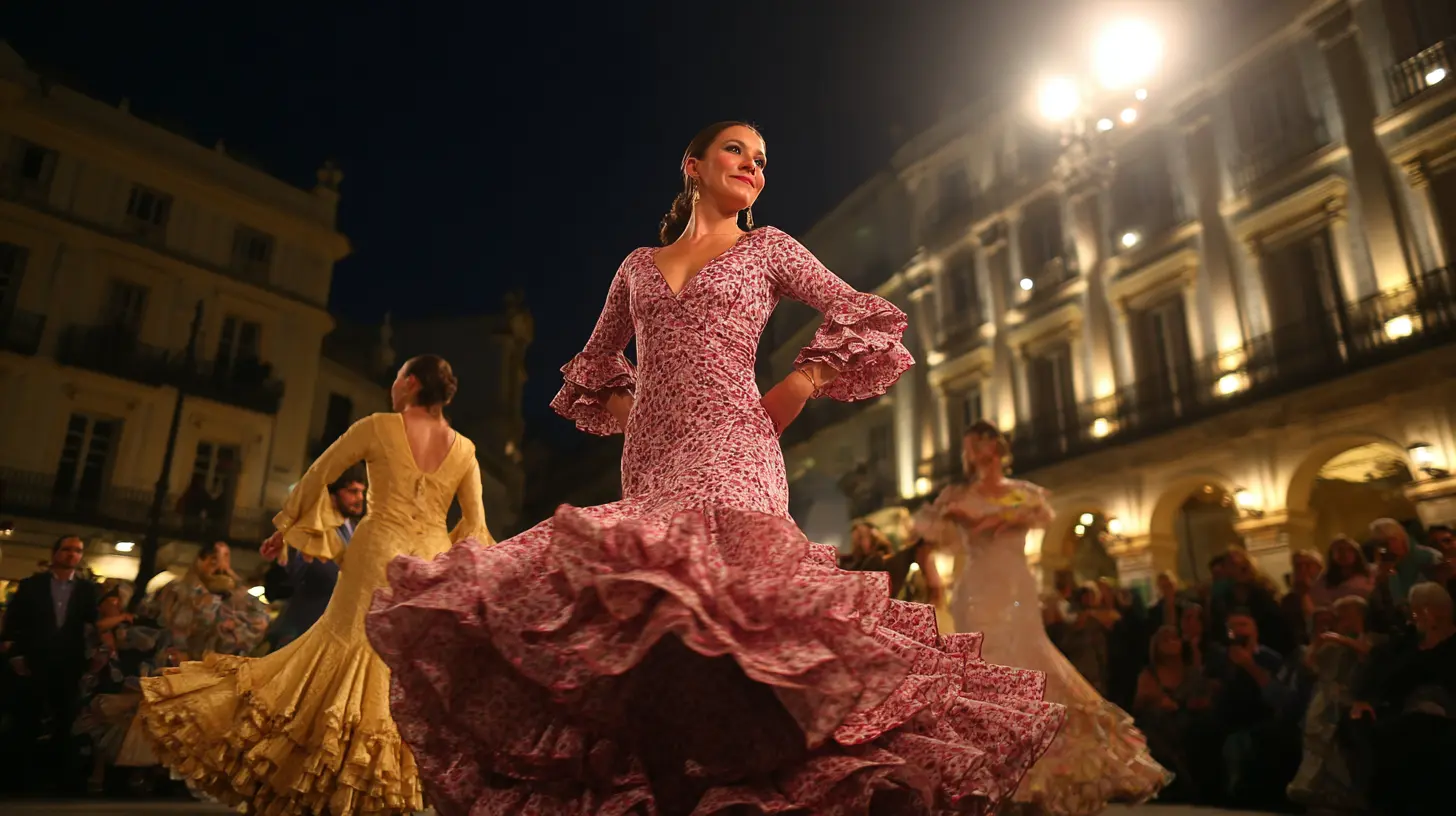
The Digital Duende: How Tech Is Changing the Celebration
You cannot talk about 2027 without talking about screens. Flamenco has always been about the live moment, the sweat flying off the dancer's forehead, the raw crack in the singer's voice. But the pandemic changed everything. Suddenly, the tablaos (flamenco venues) were empty, and the artists had to find a new stage.What happened next was surprising. Flamenco went viral, but not in a cheesy way. By 2027, expect to see celebrations that are hybrid. Imagine a live feria (fair) in a small Andalusian town where the main stage has a giant LED wall. A dancer in Jerez performs live, while a guitarist in Tokyo joins via hologram. The audience in the plaza watches a live stream that syncs with the clapping of the crowd. It sounds like science fiction, but it is already happening in prototype form.
The duende -- that mysterious, almost supernatural feeling of deep emotion in flamenco -- is not killed by technology. It is amplified. A high-quality recording can capture the footwork detail that the back row of a crowded bar could never see. Social media, especially TikTok and Instagram Reels, has turned flamenco into a global challenge. Kids in Seoul and Buenos Aires are learning zapateado (foot stomping) from a 30-second tutorial posted by a dancer from Seville. The celebration is no longer confined to a specific Spanish town. It is a global party.
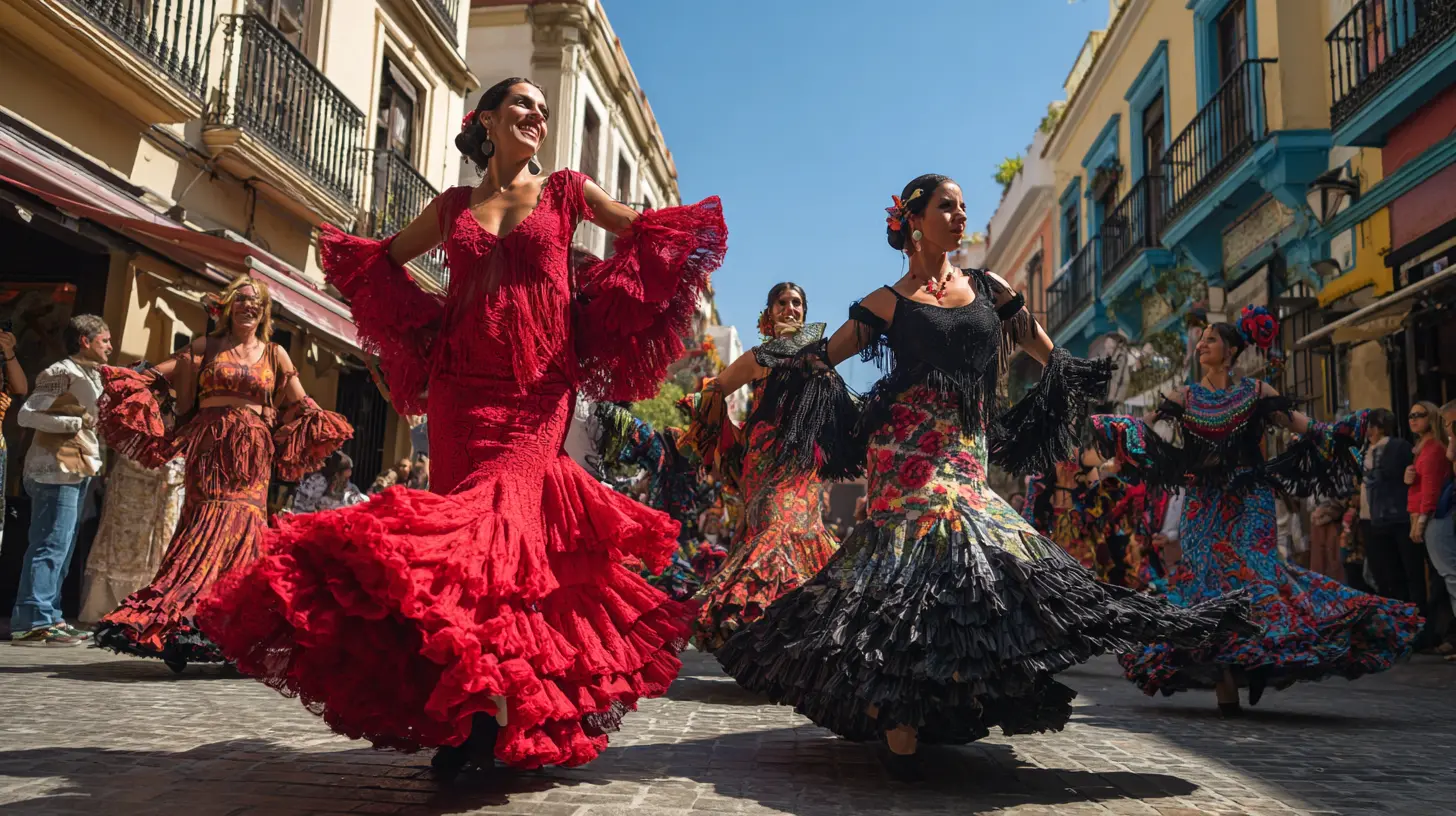
The Rise of the "Flamenco Fusion" Festival
Forget the old bienal (biennial) that feels like a formal concert. By 2027, the hottest flamenco celebrations are fusion festivals. And I am not talking about that awkward 1990s attempt to mix flamenco with jazz that sounded like elevator music. This is different.Think of a festival in Barcelona where the lineup includes a traditional cuadro flamenco (a group of dancers, singers, and guitarists) playing next to a DJ spinning flamenco samples over a deep house beat. The dancers are not wearing the traditional bata de cola (ruffled dress). They are wearing sportswear and sneakers, but the braceo (arm movements) is still pure flamenco. The rhythm is still the compas (the 12-beat cycle), but it is layered with electronic bass.
These celebrations are popping up in unexpected places. Not just in Seville or Madrid, but in industrial warehouses in Bilbao, on beaches in Valencia, and in converted churches in the countryside. The audience is mixed: tourists who came for the beach, local grandmas who have been dancing since they were five, and twenty-somethings who just want to dance to something with a pulse. It is messy, loud, and absolutely brilliant.
The Politics of the Heel: Feminism and Flamenco
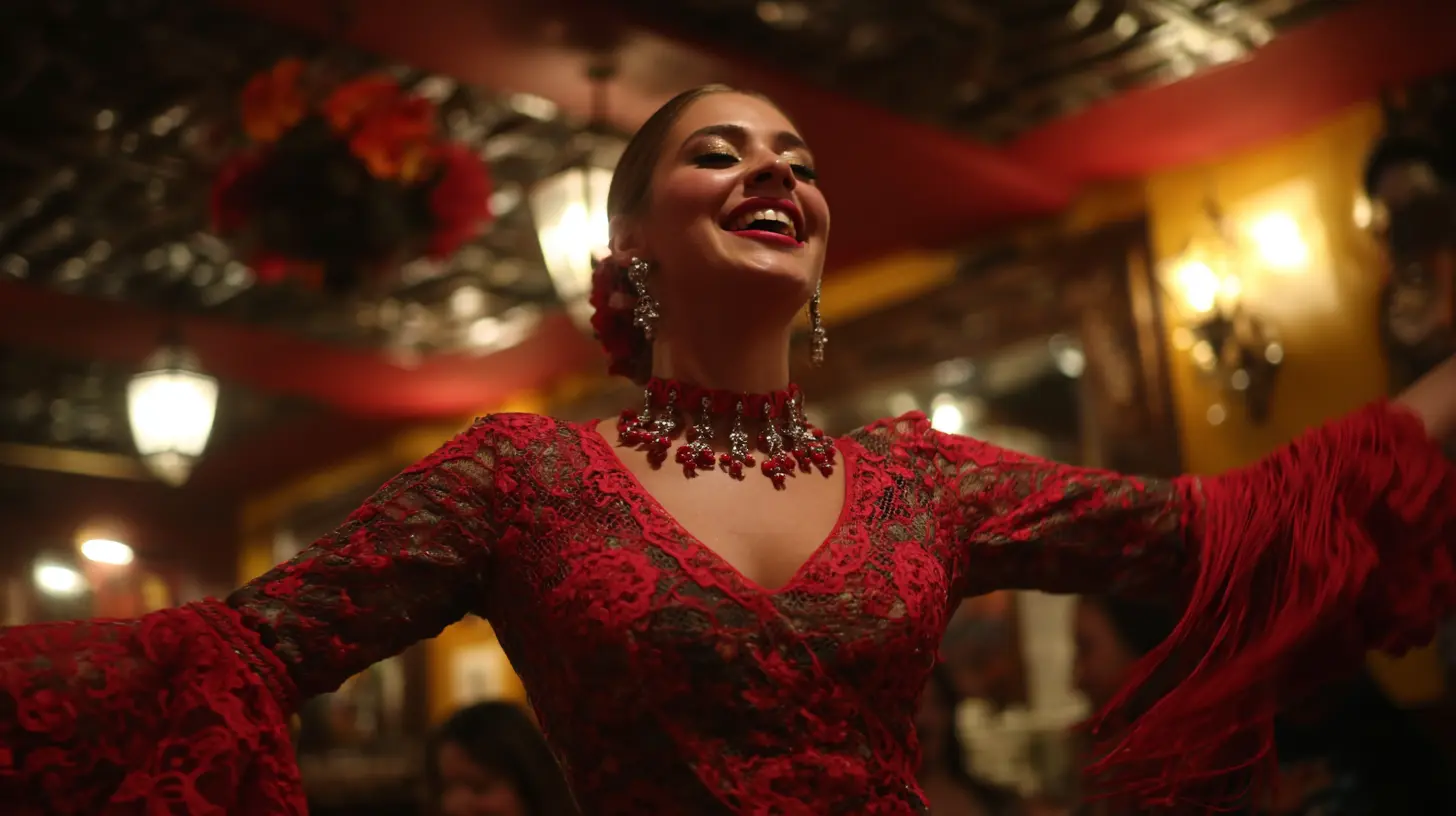
Let me get real for a second. Traditional flamenco has a complicated relationship with gender. The bailaora (female dancer) was often the object of the male gaze, the passionate woman in a red dress. The bailaor (male dancer) was the strong, proud figure. But by 2027, that script is being torn up.The new generation of flamenco celebrations is deeply feminist. Dancers are reclaiming the narrative. They are using their bodies not just to tell stories of love and heartbreak, but of rage, of political protest, of body autonomy. You will see dancers of all sizes, ages, and backgrounds on stage. The mantón (shawl) is no longer just a prop; it can be a symbol of a shroud, a flag, or a shield.
I have seen a performance where a dancer stomped the compas of a protest song while wearing a t-shirt that said "No means no." The crowd did not just clap. They roared. This is not about being "woke" for the sake of it. It is about flamenco being a vessel for the real feelings of the people doing it. By 2027, a flamenco celebration is just as likely to be a political rally as it is a party. And that is exactly how it should be.
The Globalization of the Tablao
The tablao, the traditional flamenco venue, is not dying. It is moving. In 2027, you will find world-class flamenco celebrations in Tokyo, New York, London, and Melbourne. But here is the twist: the Spanish artists are not just touring. They are collaborating.I have seen a flamenco dancer from Jerez working with a K-pop choreographer. I have heard a cantaor (singer) from Utrera blending his quejío (the raw, wailing cry) with a West African griot. The result is not a watered-down version. It is a new dialect of the same language. These international celebrations are feeding back into Spain. A flamenco festival in Almeria might now feature a dancer who studied in India and incorporates Kathak footwork into her bulerías.
This is not cultural appropriation. It is cultural conversation. Flamenco has always been a mix of Romani, Moorish, Jewish, and Andalusian roots. Adding a layer of global influence is just continuing that tradition. By 2027, the most exciting flamenco celebrations are the ones where you cannot immediately tell where one culture ends and another begins.
The Slow Food Movement of Dance
Here is a counter-trend that might surprise you. While fusion and digital tech are booming, there is also a quiet revolution happening in the opposite direction. By 2027, there is a growing appetite for "slow flamenco."What do I mean by that? In a world of fast content, short attention spans, and viral dances, some artists are stripping flamenco back to its bones. They are holding celebrations that are not about spectacle. They are about intimacy. Imagine a small room with twenty chairs. No microphones. No fancy lighting. Just a singer, a guitarist, and a dancer. They perform for an hour, but it feels like a lifetime.
These juergas (spontaneous flamenco parties) are not for tourists. They are for the community. They are a reaction against the commercialization of the art. The focus is on the cante, the voice. The dancer might not even move much. They just listen, and the audience listens with them. It is a spiritual experience, like a meditation session with a heartbeat.
This slow movement is thriving because people are hungry for authenticity. They are tired of the Instagram version of flamenco where everything is filtered and perfect. They want the cracked voice, the missed step, the tear in the eye. By 2027, the most sought-after flamenco celebration might not be the one with the biggest stage, but the one with the smallest room.
The Economics of the Feria
Let us talk money, because that is always part of the evolution. The traditional feria (fair) in towns like Seville, Jerez, and Malaga is a huge economic driver. But by 2027, the model is shifting. The old feria was about drinking, eating, and dancing in private casetas (tents) that were exclusive to members or rich families. That is changing.The new celebrations are more open. They have to be. Tourism is down in some traditional spots because of overtourism backlash. People do not want to pay 50 euros to stand in a hot tent. So the feria is becoming a street festival. The casetas are becoming pop-up public spaces. Local governments are funding free flamenco workshops in the plaza.
The economics are also going digital. There are now subscription services for flamenco classes. A dancer in a small village can earn a living teaching students in Los Angeles via Zoom. The celebration is not just a once-a-year event. It is a year-round, global economy. By 2027, the most successful flamenco artists are those who can navigate both the physical stage and the digital platform.
The Return of the Cante (The Song)
I have to tell you, the dance gets all the glory. The flashy footwork, the dramatic dress, the Instagram poses. But the heart of flamenco has always been the cante. And by 2027, the singers are finally getting their moment.There is a revival of the deep, ancient cante jondo. Young singers, often with backgrounds in hip-hop or soul, are rediscovering the raw power of the seguiriya or the soleá. They are not trying to imitate the old masters. They are using their own voices, their own pain, their own stories.
I have heard a cantaor sing about immigration, about the housing crisis in Spain, about heartbreak in the age of dating apps. And it works. It works because the structure of flamenco song is flexible enough to hold any emotion. The celebration of flamenco by 2027 is a celebration of the voice, of storytelling, of the human experience in all its messy glory.
What Does This Mean For You, The Traveler?
So, you want to experience this evolution? Good. Here is my advice.Do not go to the first tablao you see on TripAdvisor. Look for the small, independent venues. Look for the festivals that have "fusion" in the name. Go to a city like Seville, but then take a bus to a smaller town like Morón de la Frontera or Alcalá de Guadalajara. That is where the real juergas happen.
Ask locals what is happening that weekend. Flamenco celebrations are not just scheduled events. They happen spontaneously. A guitarist shows up at a bar. A singer joins in. Soon, the whole place is clapping. That is the soul of flamenco. That is what is evolving, but not disappearing.
By 2027, flamenco is more accessible, more diverse, and more surprising than ever. It is not a relic. It is a rocket. And you have a front-row seat.
all images in this post were generated using AI tools
Category:
Local TraditionsAuthor:
Taylor McDowell
Discussion
rate this article
2 comments
Meredith Rodriguez
I love how Flamenco is changing! It's amazing to see this beautiful dance adapt while still honoring its roots. The fusion of styles and fresh talent keeps it vibrant and exciting. I can't wait to see what the future holds for Flamenco celebrations in Spain. Keep dancing!
May 7, 2026 at 2:24 PM
Taylor McDowell
Thank you for your thoughts! Flamenco's evolution is truly inspiring, and the blend of tradition and innovation is what makes it so special. Exciting times are ahead for this beautiful art form!
Mistral McPherson
By 2027, Flamenco might just add a sprinkle of robot dance moves. Picture a robot clapping its metal hands while doing the moonwalk... now that's progress!
May 7, 2026 at 4:43 AM
Taylor McDowell
That's quite the vision! Blending tradition with innovation could create something truly unique in Flamenco.