How to Avoid Being Scammed by Fake Tour Guides
13 December 2025
Traveling is amazing. It opens your eyes, feeds your soul, and sometimes—sadly—empties your wallet for all the wrong reasons.
One of the most common (and sneakiest) traps tourists fall into is getting scammed by fake tour guides. They're smooth talkers, clever impersonators, and often operate in broad daylight. If you're not careful, they can turn your dream trip into a sour, wallet-draining nightmare.
So, how do you protect yourself from falling into their trap?
Let’s dive deep into the signs, red flags, and smart tips that make all the difference between a memorable experience and an expensive disappointment.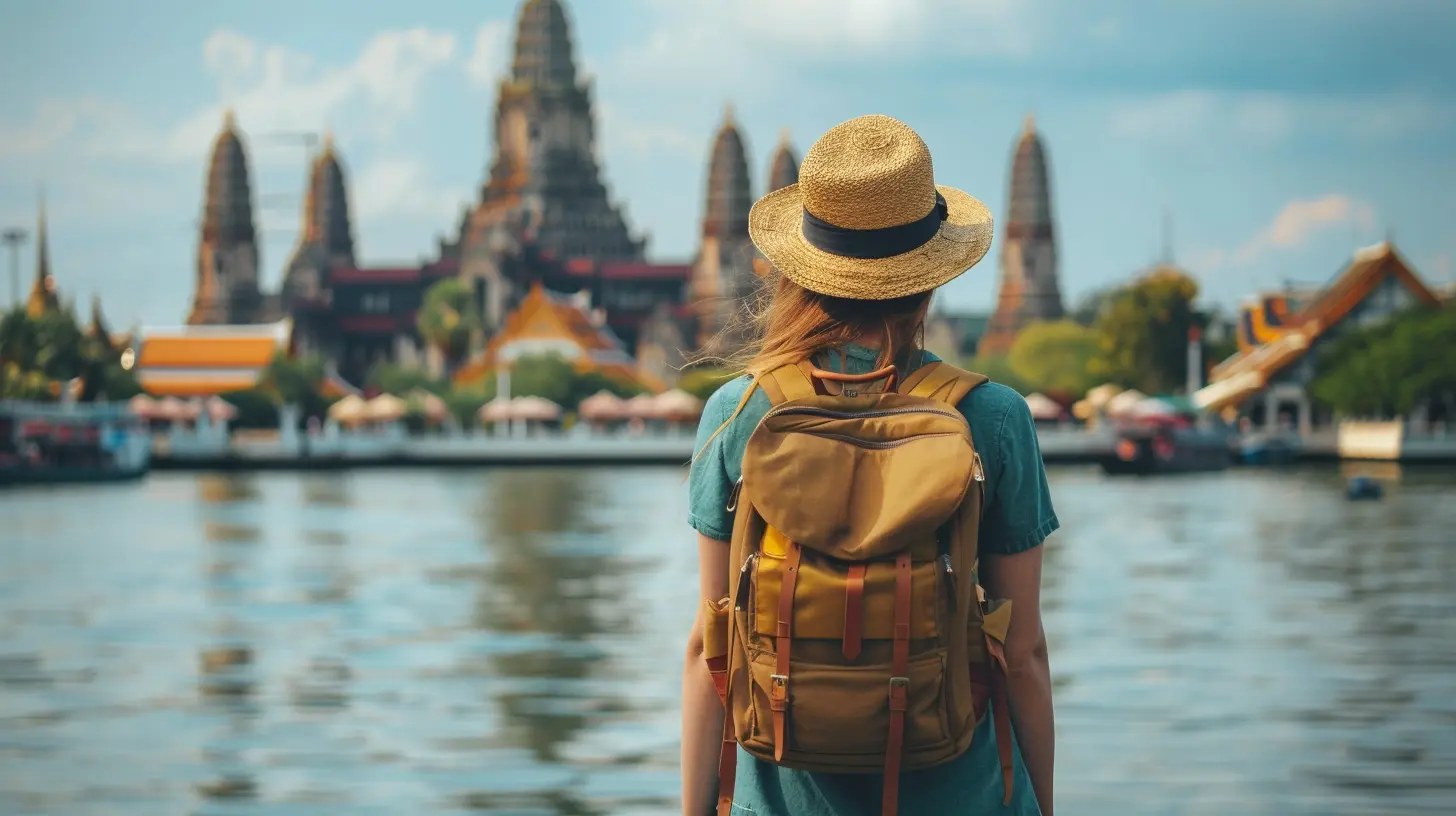
What’s the Deal with Fake Tour Guides Anyway?
Before we get into the nitty-gritty of how to dodge them, let’s talk about who these scammers actually are.Fake tour guides can look and act just like legit ones. They’re often locals who know just enough about the area to pass off as knowledgeable. But their main goal isn’t to educate or entertain you—it’s to squeeze as much cash out of you as possible, either directly or indirectly.
They might:
- Overcharge you for tours
- Take you to overpriced shops where they get commissions
- Pickpocket you or take your belongings
- Disappear with your money once you've paid
And the worst part? You might not even realize you’ve been scammed... until it’s too late.
Why Tourists Are Easy Targets
Don’t take offense—but to a scammer, you’re basically a walking ATM with a camera.You’re unfamiliar with the local customs, language, and pricing. Maybe you’re tired from a long flight. Or maybe you're just super excited to be in a new place and drop your guard for a second. That’s exactly when they pounce.
They rely on confusion, urgency, and trust.
And let’s be honest—when a friendly local offers to show you around, your natural instinct might be to say, “Wow, how nice of them!”
Truth is: not always.
Red Flags That Scream “Scam Alert!”
Keep your eyes peeled. Spotting the signs early can save you tons of trouble. Here's what to look out for:1. No ID or Credentials
Legit tour guides have ID badges, certification cards, or uniforms. If someone approaches you spontaneously and refuses to show credentials, back away.Pro Tip: Ask them which company they work for. Then, Google it. No website? No reviews? Red flag.
2. Overly Friendly Strangers
Sure, there are kind-hearted locals who genuinely want to help. But scammers know how to be charming. If someone insists on showing you places, leads you away from touristy areas, or won’t leave your side—be cautious.3. “Official” Guides Near Tourist Hotspots
It’s ironic, but some fake guides camp outside real attractions—museums, temples, landmarks—posing as official staff. They'll insist on providing a “mandatory guide service.” That’s a lie.4. No Mention of Cost (Until It’s Too Late)
If someone offers you a “free” tour, always ask how much it will actually cost. A common scam involves walking you around for an hour and then demanding outrageous fees.5. Pressure to Buy or Tip
Ever been led to a shop to “just have a look”? Then felt cornered into buying overpriced junk or handing over a tip? Yep, classic scam move. If your “guide” keeps pushing you into stores or restaurants, it’s likely they’re getting a cut.
Common Scams to Watch Out For
Being informed is your biggest weapon. Let’s break down some sneaky tricks so you know what to expect:The Tuk-Tuk Tour Trap (Common in Southeast Asia)
A driver offers a full-day tour for super cheap. Sounds amazing, right?But then they take you from one sponsor store to another—jewelry shops, tailors, souvenir stands. You get stuck wasting time, and they earn commission off your purchases.
The “Closed Attraction” Lie
Someone tells you a major attraction is closed—maybe due to a "holiday" or "maintenance"—and then offers to take you somewhere else.Spoiler: the attraction’s probably open, and they just want to steer you to one of their partner spots.
The Unofficial “Temple” or “Cultural Site” Tour
You’re escorted to what looks like a sacred or historical spot. You’re welcomed with candles or flowers and a “special ritual.” Then you’re guilted into paying high donations or entrance fees.Smart Ways to Protect Yourself
Okay, now to the good stuff—what you should actually do.1. Book Tours from Reputable Sources
Google is your friend. Use websites like:- TripAdvisor
- GetYourGuide
- Viator
- Airbnb Experiences
Or go directly with your hotel concierge if you're unsure.
Read reviews, double-check pricing, and never book tours with mysterious individuals on the street.
2. Ask the Right Questions
Before committing to any tour, ask:- How much will it cost?
- What’s included?
- Do you have a license or ID?
- What locations are we visiting?
Fake guides hate detailed questions. It throws them off their script.
3. Use Licensed Taxi or Transport Apps
If someone approaches you offering a "cheap taxi tour," think twice. Use verified apps like Uber, Bolt, or local equivalents.Better safe than sorry... and stranded.
4. Stay Aware of Your Surroundings
It’s easy to get carried away sightseeing and forget to stay alert. Keep your wallet close, avoid flashing cash, and don’t let strangers carry your belongings—no matter how helpful they seem.5. Trust Your Gut
Intuition is powerful. If something feels off, it probably is. Don’t ignore that little voice in your head saying, “This seems too good to be true.”What to Do If You’ve Already Been Scammed
It happens to the best of us. If you realize you’ve been tricked:- Stay calm. You’re not the first, and you won’t be the last.
- Document everything. Names, pictures, transactions, receipts—anything that could help locate the scammer.
- Contact local authorities. Report the incident. Even if they can’t recover your money, your report could save someone else.
- Inform your hotel or tour company. They may provide support or further advice.
- Warn other travelers. Leave reviews. Post on forums. Spread awareness.
Better to be a whistleblower than let the scam continue.
How to Find Legitimate Guides
Let’s be real—not all local guides are scammers. Many are awesome, passionate storytellers who genuinely want to share their culture with you.Here’s how to find the good ones:
✔️ Check Online Travel Communities
Facebook travel groups, Reddit threads, and even travel blogs usually have recommendations. Real travelers sharing real experiences.✔️ Look for Certifications
In many countries, tour guides have to undergo training or get licensed. Look for badges, registration numbers, or associations.✔️ Book in Advance
Instead of deciding on the spot, plan ahead. Booking through online platforms lets you read reviews and compare prices.Bonus Tips for a Scam-Free Adventure
Let’s wrap up with a few final pointers:- Don’t pay upfront in cash. Use a credit card or payment app that offers buyer protection.
- Keep emergency contacts handy. Including your country’s embassy details.
- Travel with a buddy. Two sets of eyes are better than one.
- Download offline maps. So you know where you’re going, even without signals.
- Learn a few local phrases. Showing some language effort may earn you respect—and help you understand what’s going on around you.
Real Talk: Experience vs Expense
While it's tempting to go with someone who offers a "local experience" off the beaten path, always ask yourself: is it worth the risk?Sure, you want to see the "real" side of a place, not just the tourist traps. But remember, authenticity shouldn’t cost you your safety, your money, or your peace of mind.
Stay curious—but stay smart.
After all, the greatest souvenirs are your memories, not regrets.
Final Thoughts
Traveling is supposed to be enriching, not robbing. And the unfortunate rise in fake tour guides shouldn't scare you—it should just make you travel a little wiser.Be friendly, but cautious. Be curious, but informed. And above all, trust your instincts.
The world is full of beauty—and yes, a few bad apples. But with the right approach, your journey can be both thrilling and scam-free.
Safe travels out there!
all images in this post were generated using AI tools
Category:
Travel ScamsAuthor:

Taylor McDowell
Discussion
rate this article
2 comments
Xylo Lynch
Trust your gut, not guides!
January 9, 2026 at 3:50 PM
Taylor McDowell
While trusting your instincts is important, relying solely on intuition can be risky. It's best to combine your gut feelings with research and credible guidance to ensure a safe travel experience.
Ulysses McClure
Great article! To further enhance your tips, consider recommending travelers verify credentials through official tourism sites or local government resources. Additionally, suggesting they read recent reviews on trusted platforms can help ensure they select reputable guides. Thanks for raising awareness about this important issue in tourism!
December 31, 2025 at 3:59 AM
Taylor McDowell
Thank you for your insightful suggestions! Verifying credentials and reading recent reviews are excellent ways to ensure a safe travel experience. I appreciate your input!