Immersing Yourself in Brazil’s Afro-Brazilian Culture in Salvador
12 December 2025
Salvador, the vibrant heart of Brazil’s northeast, is a city unlike any other. With its rich Afro-Brazilian heritage, pulsating rhythms, and deep-rooted traditions, it feels like stepping into a living, breathing museum of culture. If you’ve ever been curious about Brazil’s African influence, Salvador is the best place to experience it firsthand.
From the hypnotic beats of samba and capoeira to the tantalizing flavors of Bahian cuisine, Salvador offers an immersive journey into Afro-Brazilian life. So, if you're ready for an extraordinary adventure, let’s take a deep dive into this cultural gem.

The Soul of Salvador: A City Steeped in Afro-Brazilian Traditions
Salvador, the capital of Bahia, was the first capital of Brazil and one of the main ports for African slaves during the transatlantic slave trade. Over the years, the African influence in the city has remained strong, shaping music, food, religion, and daily life.Walking through the streets of Salvador, you’ll immediately feel this energy in everything—from the colonial architecture to the people who proudly carry their African heritage.

Pelourinho: The Beating Heart of Afro-Brazilian Culture
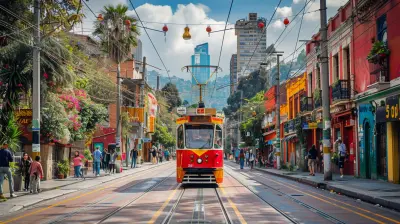
If there’s one place that embodies Salvador’s Afro-Brazilian essence, it’s Pelourinho. This UNESCO-listed historic district is a colorful maze of cobblestone streets, pastel-colored buildings, and vibrant squares.Pelourinho has a complex history—it was once a site where enslaved Africans were punished. Today, it stands as a celebration of Afro-Brazilian resilience, filled with drumming performances, capoeira demonstrations, and lively festivals.
While wandering through Pelourinho, you’ll find:
- Olodum: A world-famous Afro-Brazilian drumming group that blends samba, reggae, and African rhythms.
- São Francisco Church: A baroque masterpiece that contrasts the neighborhood’s darker history.
- Museu Afro-Brasileiro: A museum showcasing African heritage in Brazil, with fascinating wooden carvings from the Kingdom of Dahomey.
Candomblé: A Spiritual Connection to African Roots
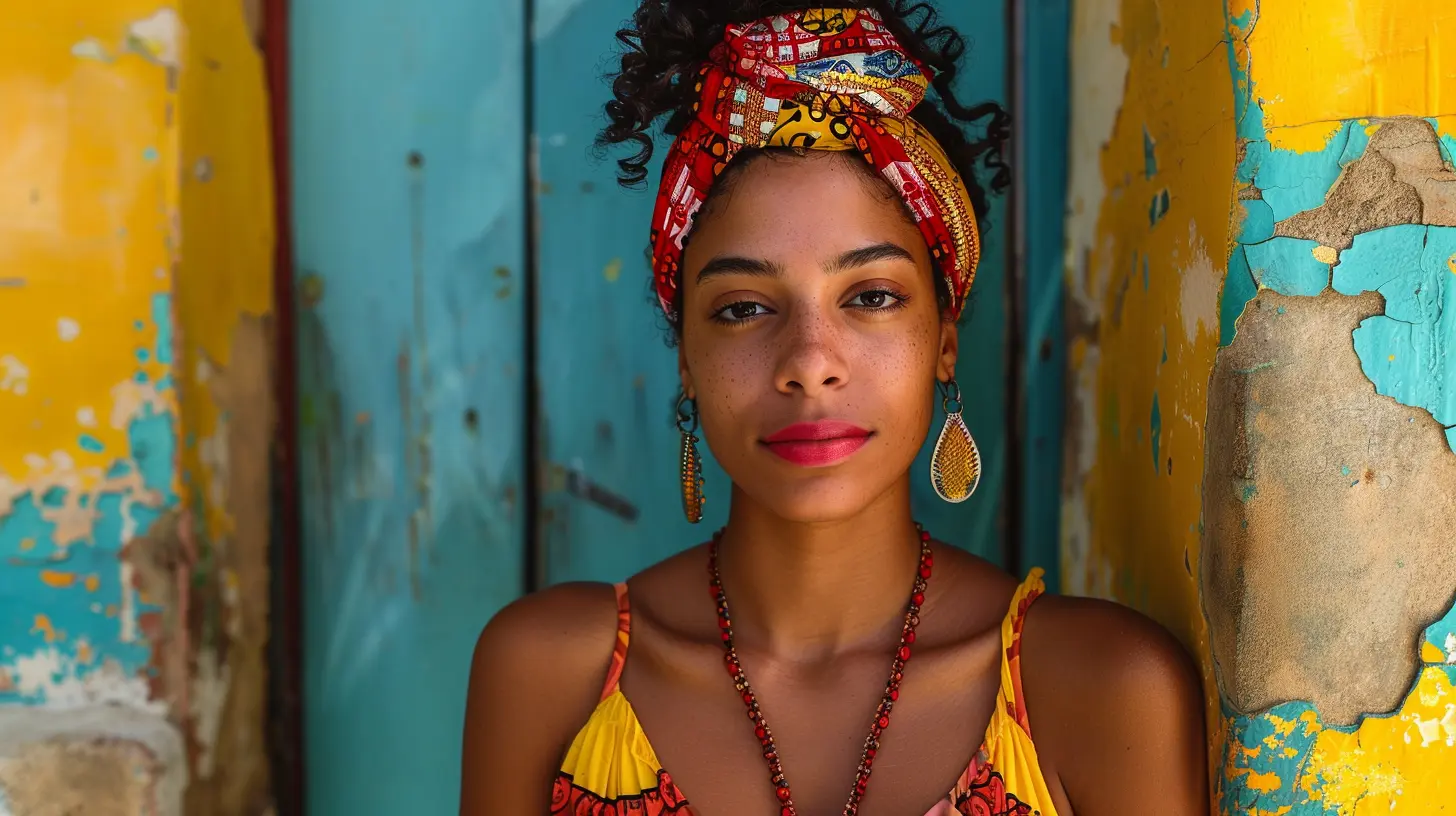
Candomblé is an Afro-Brazilian religion that fuses African spiritual beliefs with Catholicism. In Salvador, it’s not just a religion but a way of life for many.The ceremonies, held in terreiros (sacred houses of worship), involve drumming, singing, and dance rituals dedicated to orixás (deities). If you're respectful and open-minded, you may even have the opportunity to attend a ceremony to witness the deep spiritual connection firsthand.
Key figures in Candomblé, such as Mãe Stella de Oxóssi and Mãe Menininha do Gantois, have played crucial roles in preserving these traditions, ensuring they remain an integral part of Bahian culture.
Capoeira: Dance, Fight, and Music in Perfect Harmony
Capoeira, an Afro-Brazilian martial art disguised as a dance, originated in Brazil as a form of resistance by enslaved Africans. Today, it’s an essential part of Salvador’s cultural identity.At first glance, it looks like a mesmerizing fusion of acrobatics and rhythm, but capoeira is much more than that. It’s a symbol of resilience and community.
You can:
- Watch capoeira rodas (circles) in Pelourinho, where skilled capoeiristas showcase their talent.
- Visit a capoeira school and get a hands-on lesson.
- Listen to the berimbau, the single-stringed instrument that sets the pace for the game.
Afro-Brazilian Cuisine: A Feast for the Senses
Food in Salvador is a direct reflection of its African heritage. Rich in flavors, spices, and textures, Bahian cuisine is an unforgettable experience.Here are a few must-try dishes:
- Acarajé: A deep-fried black-eyed pea fritter stuffed with vatapá (a paste made of shrimp, peanuts, and coconut milk). It’s traditionally sold by baianas—Afro-Brazilian women dressed in flowing white dresses.
- Moqueca: A fragrant seafood stew cooked with coconut milk, palm oil, and peppers.
- Vatapá: A creamy dish made with bread, shrimp, peanuts, and coconut milk.
- Caruru: A dish of okra, shrimp, and spices often served alongside acarajé.
Many of these dishes are linked to Candomblé rituals, highlighting the deep spiritual connection between food and culture.
Carnival in Salvador: The Ultimate Afro-Brazilian Celebration
Carnival in Salvador is unlike any other in Brazil. While Rio de Janeiro is known for its glamorous samba parades, Salvador’s Carnival is raw, electrifying, and deeply connected to Afro-Brazilian traditions.Instead of watching from the sidelines, everyone joins in the street parties, following massive trucks called trios elétricos, where bands play axé music, a high-energy genre blending African and Brazilian sounds.
One of the most iconic symbols of Salvador’s Carnival is Ilê Aiyê, the first Afro-Brazilian Carnival bloco (group) that celebrates Black pride and African heritage. Watching them perform is a powerful experience.
The Influence of African Art and Fashion
Afro-Brazilian culture in Salvador also shines through its art and fashion. Whether it’s the traditional garments worn by baianas, the intricate beadwork, or the powerful sculptures depicting African deities, every piece tells a story.You’ll find:
- Handmade jewelry and accessories from Mercado Modelo.
- Beautiful paintings and graffiti in Pelourinho depicting African goddesses and capoeira warriors.
- Traditional Bahian clothing, especially the stunning white lace dresses worn in Candomblé rituals.
Supporting local artisans is a great way to take a piece of Salvador’s culture home with you.
Music: The Heartbeat of Bahia
Music is everywhere in Salvador. From samba and reggae to forró and axé, the city pulses with rhythm. Some must-visit places for live music include:- Casa da Mãe: A cozy venue featuring Afro-Brazilian performances.
- Beco dos Artistas: A lively spot for samba and local bands.
- Rio Vermelho: The neighborhood known for its buzzing nightlife and street parties.
If you want a truly immersive experience, head to a Terça da Benção (Blessed Tuesday) event in Pelourinho, where drummers fill the streets with hypnotic beats.
Final Thoughts
Salvador isn’t just a city you visit—it’s a city you feel. The energy, the history, and the vibrant Afro-Brazilian culture make it one of the most unforgettable places in the world.Whether you're dancing capoeira in Pelourinho, indulging in acarajé by the beach, or getting lost in the rhythms of an Olodum performance, Salvador will leave a lasting imprint on your heart.
So, are you ready to immerse yourself in the magic of Afro-Brazilian culture? Pack your bags and let Salvador show you a side of Brazil you’ll never forget.
all images in this post were generated using AI tools
Category:
South America TravelAuthor:

Taylor McDowell
Discussion
rate this article
2 comments
Antonia Cannon
Exploring Salvador's vibrant Afro-Brazilian culture is a feast for the senses! From lively music to delicious cuisine, every moment feels like a joyful celebration of life. 🌍❤️
January 15, 2026 at 4:32 AM
Taylor McDowell
Thank you! I'm glad you enjoyed exploring Salvador's rich Afro-Brazilian culture—it's truly a vibrant experience that captivates all the senses! 🌍❤️
Rosalie McGonagle
Like a caipirinha on a carnival float, Salvador’s Afro-Brazilian culture shakes your soul awake! Dive in, dance like nobody's watching, and let the rhythm set you free!
December 17, 2025 at 5:52 PM
Taylor McDowell
Thank you! Embracing Salvador's vibrant Afro-Brazilian culture truly ignites the spirit—it's an experience that celebrates freedom and joy!