Immersive Art Experiences: The Rise of 360-Degree Galleries
12 August 2026
Have you ever stepped into a painting? Like literally walked into a world that, moments before, you were just gazing at on a canvas? Well, thanks to the magic of technology and visionary artists, that's exactly what immersive art experiences are delivering — and people are loving it.
Welcome to the world of 360-degree galleries, where the lines between art, viewer, and space blur into an unforgettable sensorial experience. It's not just about seeing art anymore… it's about feeling it, walking through it, and sometimes even becoming part of it.
Ready to dive headfirst into one of the fastest-growing trends in the art and tourism world?
Let’s take a stroll (or maybe a spin) through the vibrant universe of immersive art.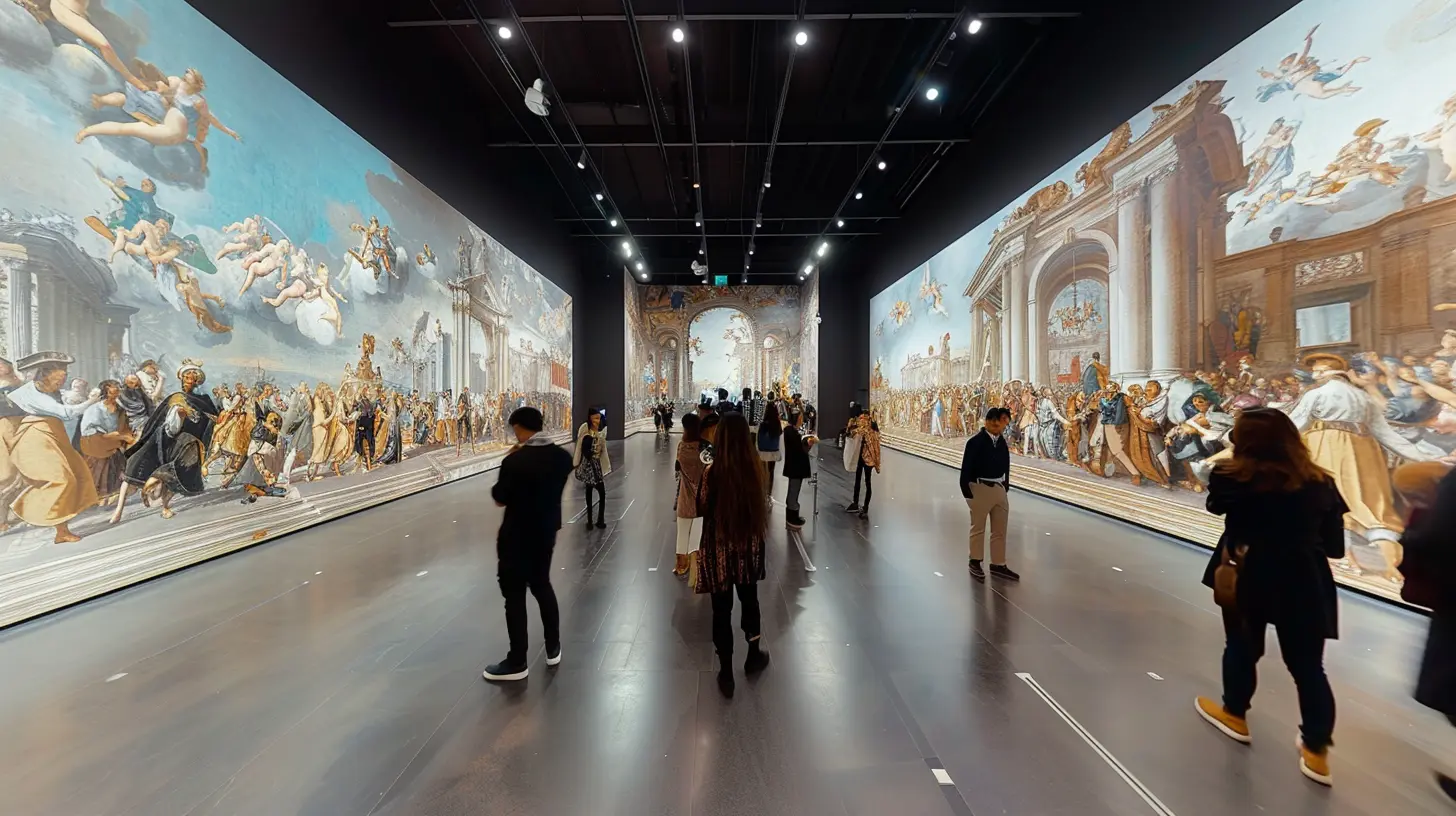
What Are 360-Degree Galleries, Anyway?
Let’s break it down real quick.360-degree galleries are interactive art installations that completely envelop the viewer. You’re not just looking at art from a distance—you’re surrounded by it on all sides. Images are projected onto walls, floors, ceilings, and sometimes even on you. Add in immersive soundscapes, timed lighting, and sometimes a bit of augmented or virtual reality, and boom: you’re no longer a passive observer—you’re smack in the middle of the masterpiece.
Sounds futuristic? It kinda is. But it’s very real and very now.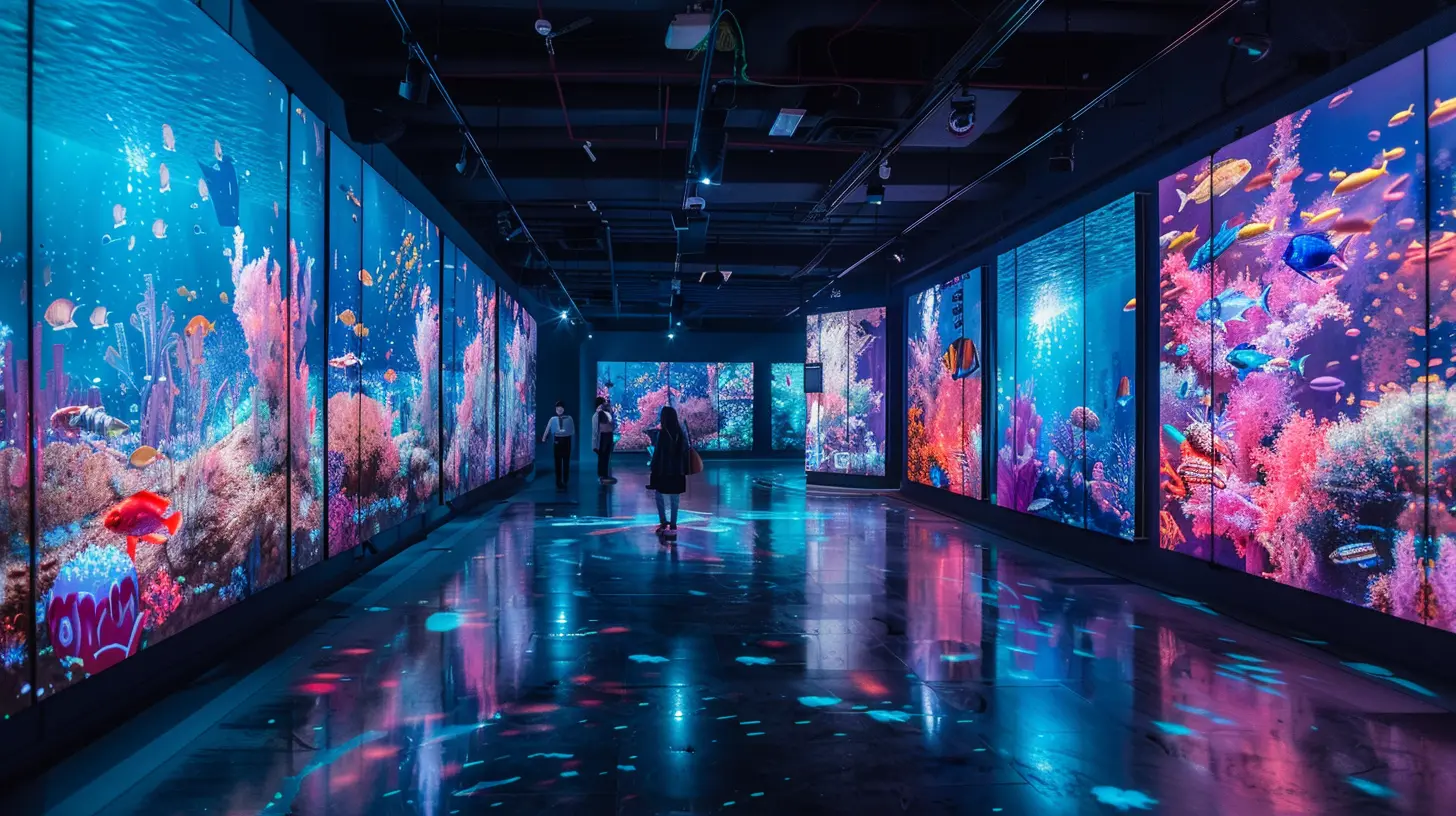
Why Are People So Obsessed With Immersive Art?
Well, first off—let’s be honest—it's incredibly Instagrammable. But beyond the social media appeal, immersive art taps into something more visceral.Think about it: traditional art galleries can sometimes feel stiff. Walk, look, nod, move on. No touching. No talking. Keep it down, please. Immersive galleries throw all that out the window.
They invite you to:
- Lose yourself in the artwork
- Feel the emotion in surround sound
- Engage your senses—sight, hearing, and even touch
- Step inside the mind of the artist
It’s like a dream world where art isn’t just a display… it’s an experience.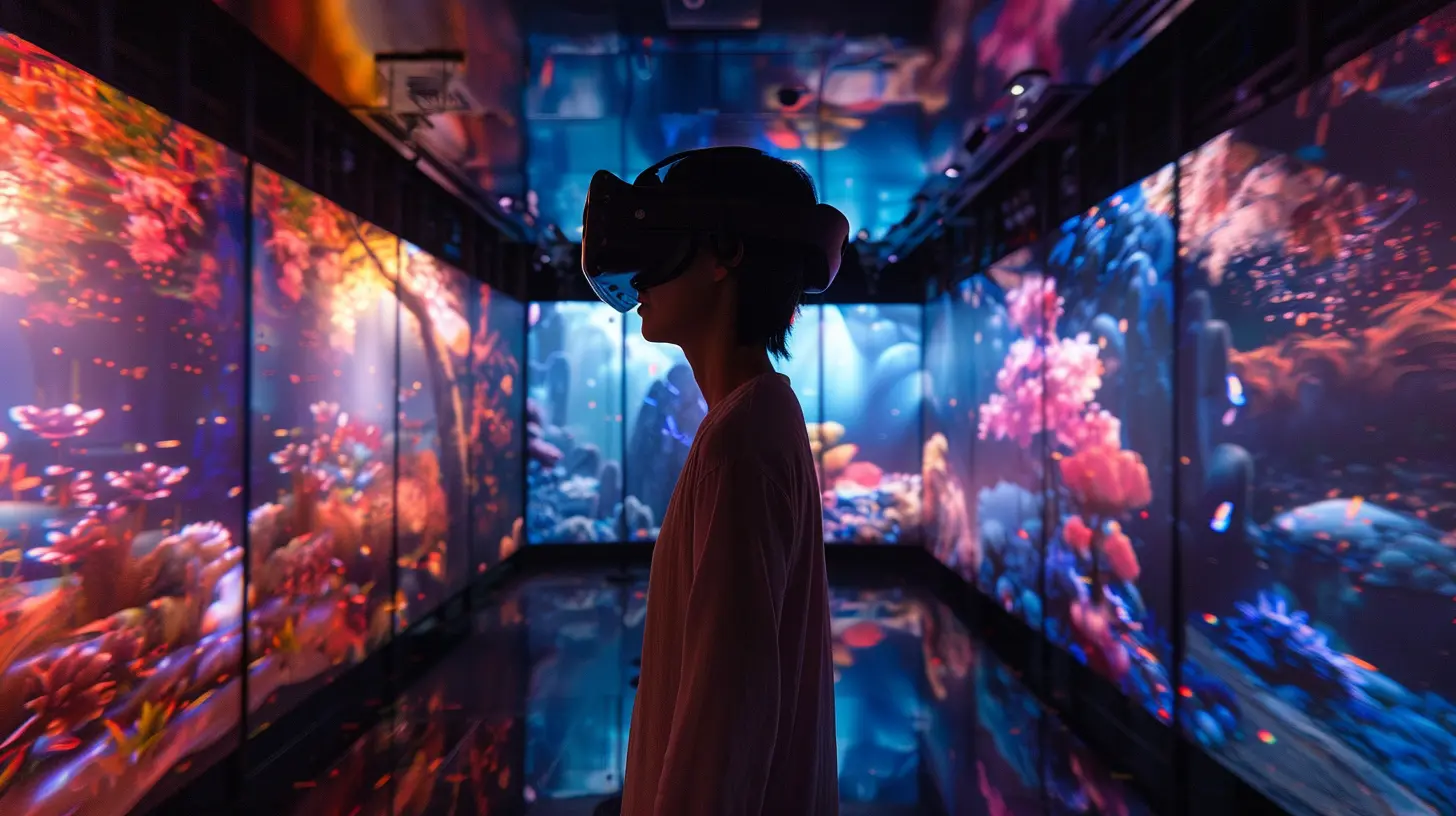
A Brief Look at the History: From Canvas to Creative Cosmos
While immersive art might seem brand spanking new, the idea has been bubbling for a while.Artists like Yayoi Kusama, with her mirrored infinity rooms, or James Turrell, with his light installations, were already pushing the boundaries decades ago. But the real boom came when tech caught up with imagination.
The key game-changer? Projection mapping and VR tech. Once these tools became affordable and portable, a whole new door opened up. Suddenly, anyone with a space and a vision could bring giant, moving artworks to life.
And the audience? They were more than ready.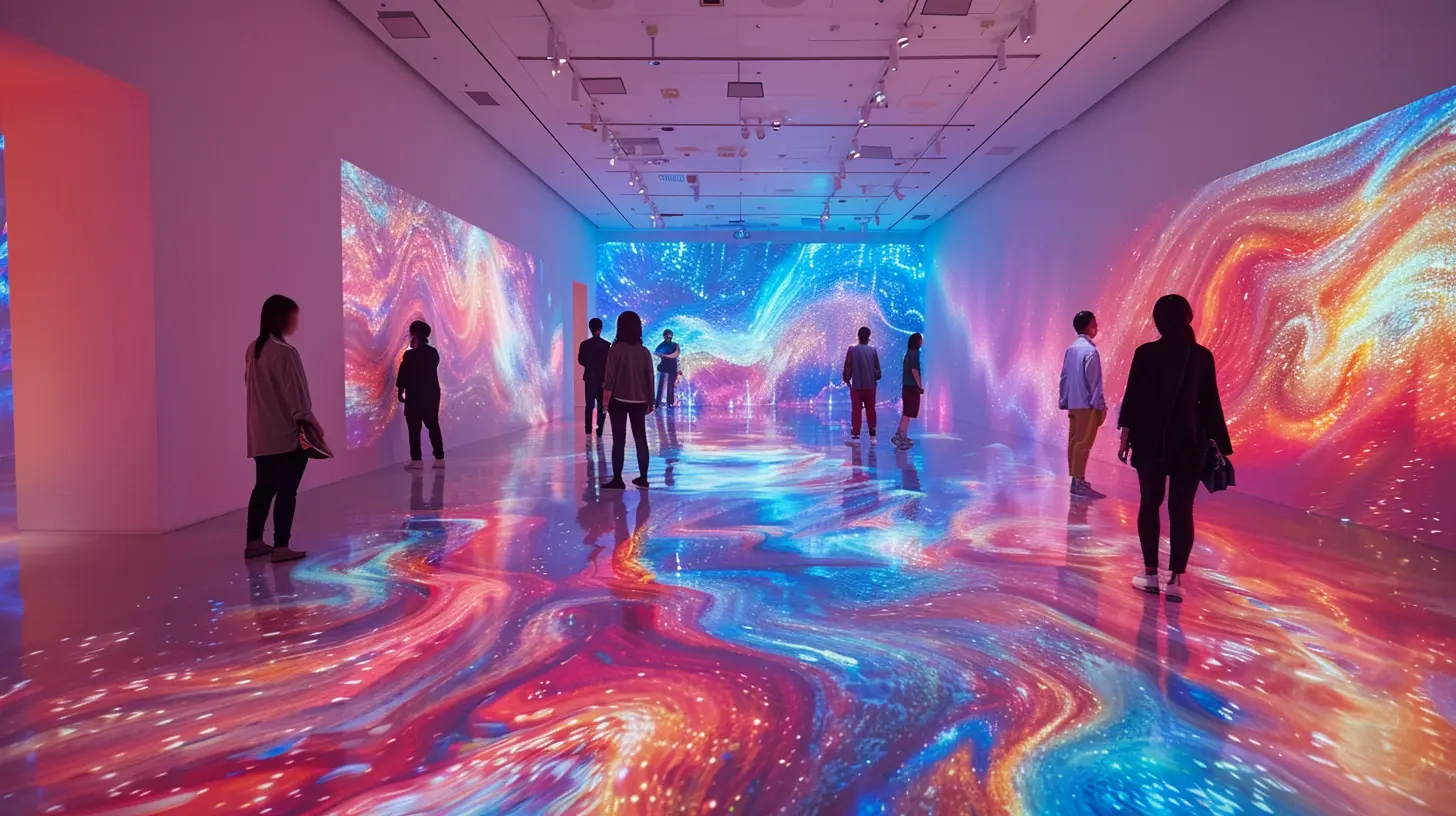
The Van Gogh Effect: Igniting the Trend
Chances are, you’ve seen it on Instagram or TikTok—those swirling, animated versions of Van Gogh’s "Starry Night" lighting up entire rooms. Shows like "Van Gogh: The Immersive Experience" or "Van Gogh Alive" have toured globally, drawing millions.What made them so addictive?
It’s not just the visuals. It’s the storytelling, the music, the movement. These galleries bring Van Gogh’s tormented journey and genius brushwork to life in a way that’s emotional, educational, and just plain mesmerizing.
In a nutshell? They brought art history into the 21st century—and people couldn’t get enough.
Around the World in 360 Degrees: Where to Go for Immersive Art
There’s a growing list of cities that now boast their own immersive art hubs. You might even have one closer than you think.1. Atelier des Lumières – Paris, France
Probably the crown jewel of immersive galleries, this space is a converted iron foundry that now hosts jaw-dropping shows featuring artists like Klimt, Monet, and Dalí. The walls and floors are alive with shimmering projections, perfectly synchronized with classical or electronic music.Trust us—it’s goosebump material.
2. Meow Wolf – USA (Santa Fe, Denver, Las Vegas)
This... is hard to describe. Meow Wolf mixes immersive art, storytelling, and a bit of Sci-Fi into what feels like an acid trip through a dream. You enter a house, open a fridge, crawl through a tunnel, and boom—you’re in a neon jungle.It’s strange, spectacular, and 100% unforgettable.
3. teamLab Borderless – Tokyo, Japan
If your idea of art includes glowing lotus flowers, floating lanterns, and waterfalls that dodge your touch, teamLab is your place. Their interactive digital art moves with your body and reacts to your presence—it’s like the artwork knows you’re there.4. ARTECHOUSE – Miami, New York, D.C.
Specializing in tech-driven art, these spaces are perfect for those who love a futuristic vibe. Think AI-designed visuals, digital particles swirling around you, and art that's basically alive.How 360-Degree Art is Changing Tourism
What happens when you pair gorgeous art with social media buzz and immersive tech? A tourism magnet.Travelers are now seeking out these exhibitions as reasons to visit certain cities. It’s not just about museums or landmarks anymore—it’s about experiences. The kind that capture emotions and make for jaw-dropping Reels or Stories.
Art tourism is booming, and immersive galleries are leading the charge.
Plus, they make art more accessible. You don’t need an Art History degree to enjoy Van Gogh when his sunflowers are blooming across a room bigger than a tennis court, right?
What Makes These Experiences So Powerful?
Let’s get a bit philosophical.In a world overloaded with screens, pixels, and fast-scrolling content, immersive art slows you down. It demands you look, listen, feel. It challenges how you engage with creativity. And perhaps most importantly, it speaks to all ages, languages, and backgrounds.
It doesn’t matter if you’re 7 or 70—being surrounded by a starry night sky that twinkles and shimmers all around you? That hits emotionally. It’s pure human connection, through light and color.
The Role of Technology: Art Meets Innovation
You might be wondering—how do they even pull this off?Here’s the scoop:
- Projection Mapping: High-definition projectors place images on irregular surfaces like walls, ceilings, and floors with perfect accuracy.
- Augmented Reality (AR): Some exhibits let you scan with your phone to unlock secret layers or games within the art.
- Virtual Reality (VR): Strap on a headset and get transported—like literally—to another world.
- Interactive Sensors: Your movements trigger changes in the art. Dance a little? The room might respond with ripples or light pulses.
Pretty wild, right?
Art in the digital age isn’t just about creativity—it's about code, tech, and collaboration.
Why You Should Absolutely Try One
Still on the fence?Here’s why immersive art experiences should top your travel bucket list:
- They’re unforgettable: You won’t remember the 37th painting you glanced at in a gallery. But you’ll never forget the swirl of colors that danced around you to the sound of Debussy.
- Perfect for families: Kids love them. So do grandparents. It’s a rare mix of education + entertainment.
- They change your perspective: You start thinking about art not just as something you see but something you live.
- They’re just fun: Seriously, isn’t life better when you get to play inside a masterpiece?
The Future of Immersive Art: What’s Next?
This is only the beginning.Looking ahead, we’re seeing:
- AI-Generated Art Exhibits: Where machines create ever-evolving experiences.
- Personalized Immersions: Galleries that adapt to your mood, language, or even heart rate.
- Traveling Immersive Pop-Ups: Imagine shipping containers turned into instant art experiences at beaches, festivals, or city squares.
Art is no longer confined to museums. It’s spilling into the streets, into VR headsets, and into your own living room.
Final Thoughts: Step Into the Frame
Immersive art experiences and 360-degree galleries are not just trends—they’re a revolution. They’re changing how we relate to art, to each other, and to the cities we explore.If you haven’t been to one yet, put it on your list. Whether you’re a hardcore art lover or someone who usually skips the museum, these galleries offer something completely different. They’re not about art—they are art, and you’re right in the middle of it.
So go ahead. Step in. Spin around. Let the colors wash over you. It’s not every day you get to walk through a dream.
all images in this post were generated using AI tools
Category:
Museums And GalleriesAuthor:

Taylor McDowell