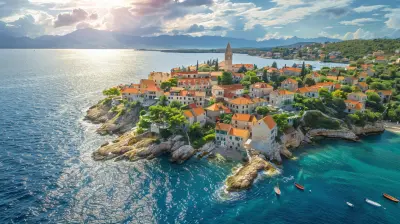
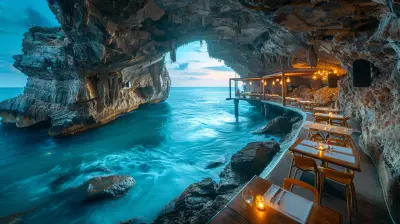
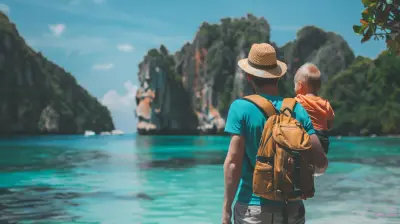
Marvel at the Wildlife of the Galápagos Islands
20 December 2025
Have you ever dreamed of stepping into a world where wildlife roams free, unbothered by human presence? A place where sea lions laze in the sun, giant tortoises amble along ancient trails, and blue-footed boobies perform their quirky mating dance? Well, welcome to the Galápagos Islands, a paradise brimming with unique animals you won’t find anywhere else on Earth!
This volcanic archipelago, located about 600 miles off the coast of Ecuador, is a haven for nature lovers, photographers, and adventure seekers alike. But what makes the Galápagos so special? Let’s take a deep dive into its mesmerizing wildlife and uncover why this destination should be on every traveler's bucket list.
Why Is the Galápagos Islands’ Wildlife So Unique?
The Galápagos Islands are home to some of the most fascinating creatures on the planet, many of which can’t be found anywhere else. But why? The answer lies in the islands’ isolation. Being cut off from the mainland for millions of years allowed species here to evolve in ways that make them perfectly adapted to their environment.Charles Darwin’s visit to the Galápagos in 1835 played a crucial role in his theory of evolution. Observing the differences among finches on different islands helped him develop the idea of natural selection. Today, visitors can still witness this evolutionary magic firsthand.
Now, let’s meet some of the incredible wildlife that calls the Galápagos home.
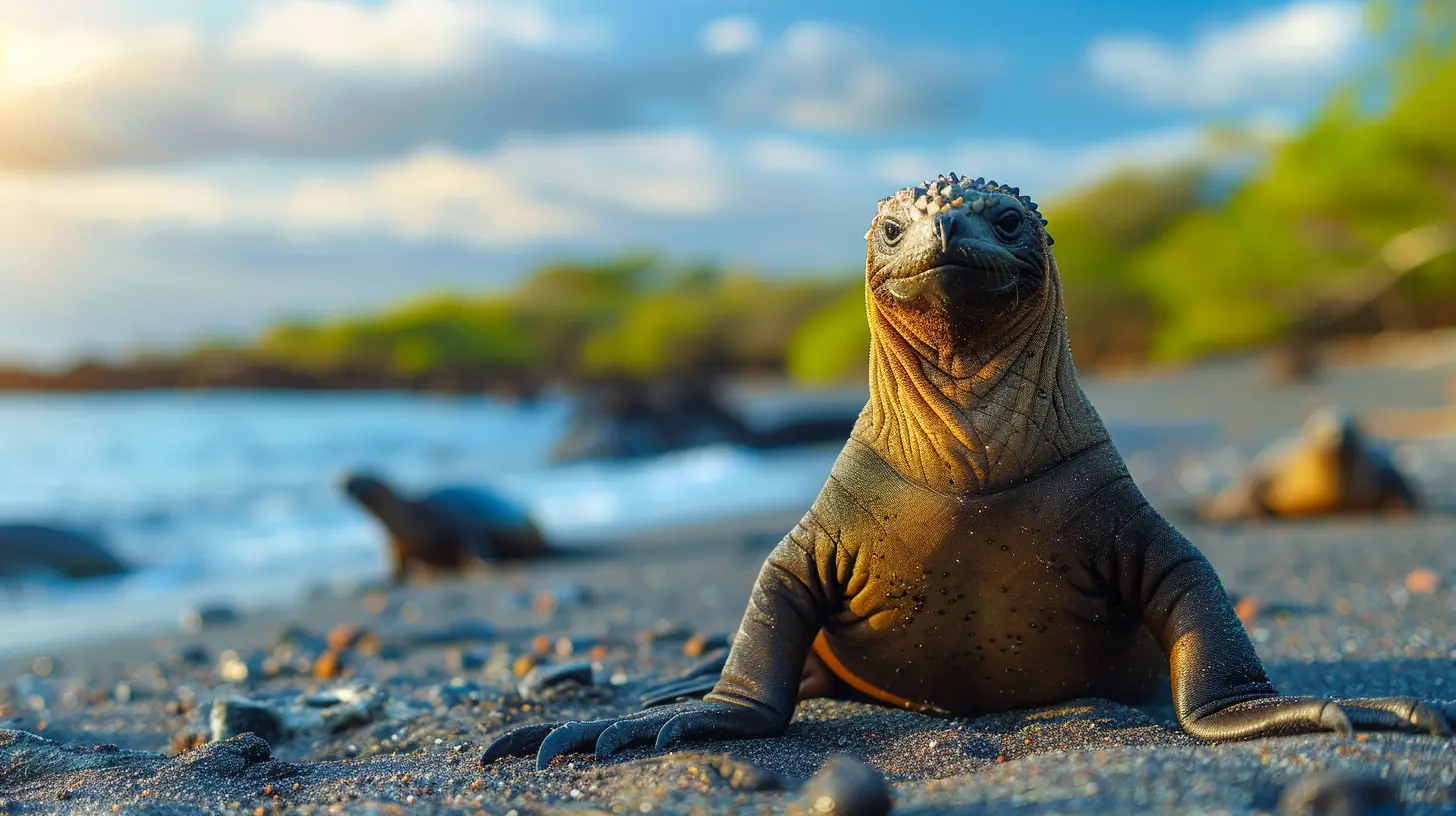
The Gentle Giants: Galápagos Tortoises
Imagine walking alongside a creature that can live for more than 150 years! The Galápagos tortoise is an icon of the islands, with some individuals weighing up to 900 pounds. These slow-moving giants spend their days munching on vegetation and soaking in the sun.Though their population once faced severe decline due to hunting and habitat destruction, conservation efforts have helped bring them back from the brink. If you visit the Charles Darwin Research Station on Santa Cruz Island, you can even see tortoise hatchlings being carefully nurtured before being released into the wild.
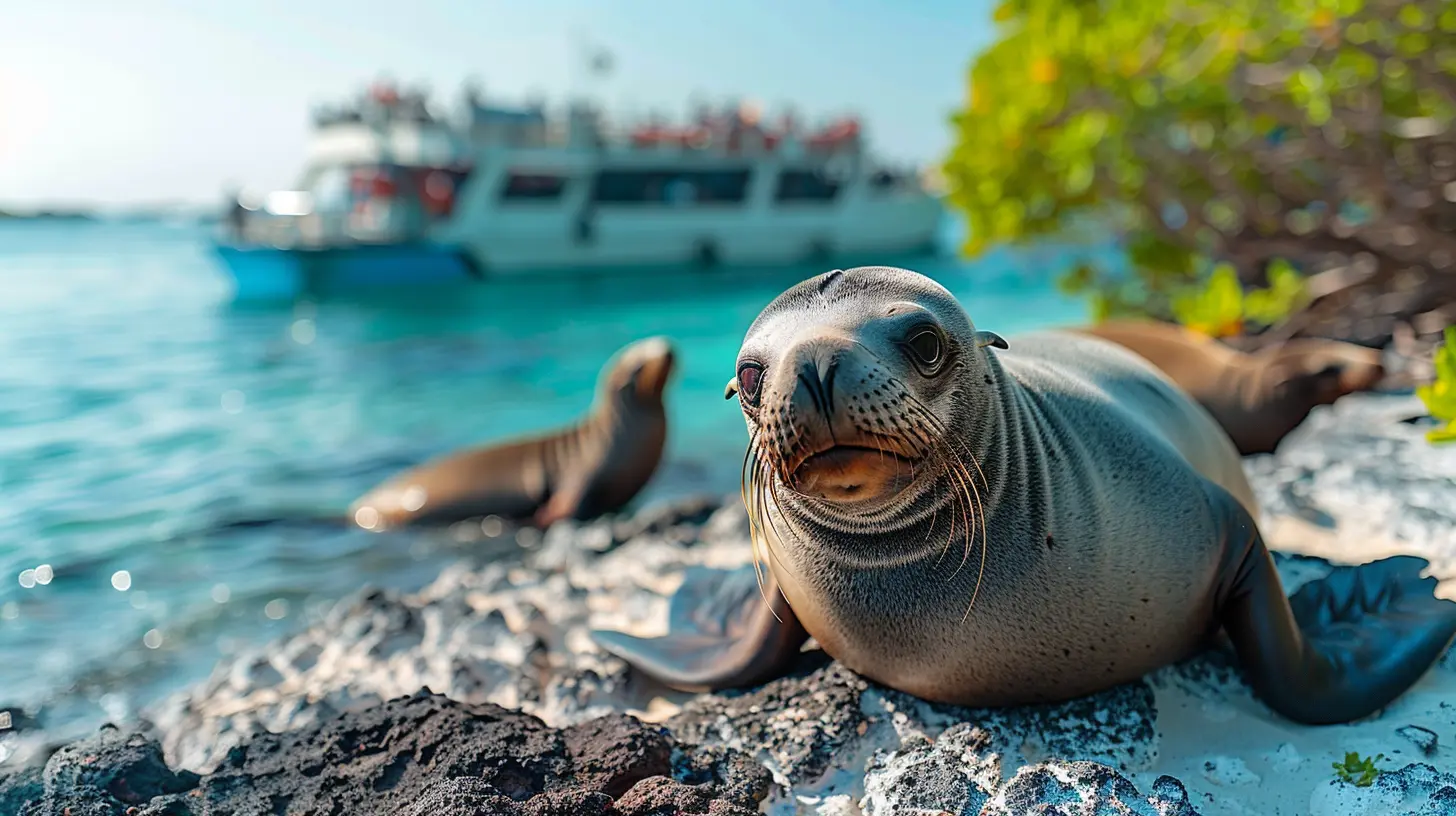
The Playful Entertainers: Galápagos Sea Lions
If there’s one animal that will steal your heart in the Galápagos, it’s the sea lion. These playful and curious creatures love to sunbathe on sandy beaches, and they’re not shy around humans. In fact, they often interact with snorkelers, gracefully gliding through the water like underwater acrobats.Watching a pup nuzzle its mother or a group of sea lions barking at each other is a truly unforgettable experience. Just remember to keep your distance—these are wild animals, after all!
The Quirky Dancers: Blue-Footed Boobies
Ever seen a bird with bright blue feet before? The blue-footed booby is one of the quirkiest (and cutest) birds in the Galápagos. But their dazzling feet aren’t just for show—they play a critical role in attracting a mate. The bluer the feet, the healthier the bird.During mating season, males perform an adorable high-stepping dance to impress females. It’s like an avian version of a dance-off! If you’re lucky, you might even witness one of these amusing performances during your visit.
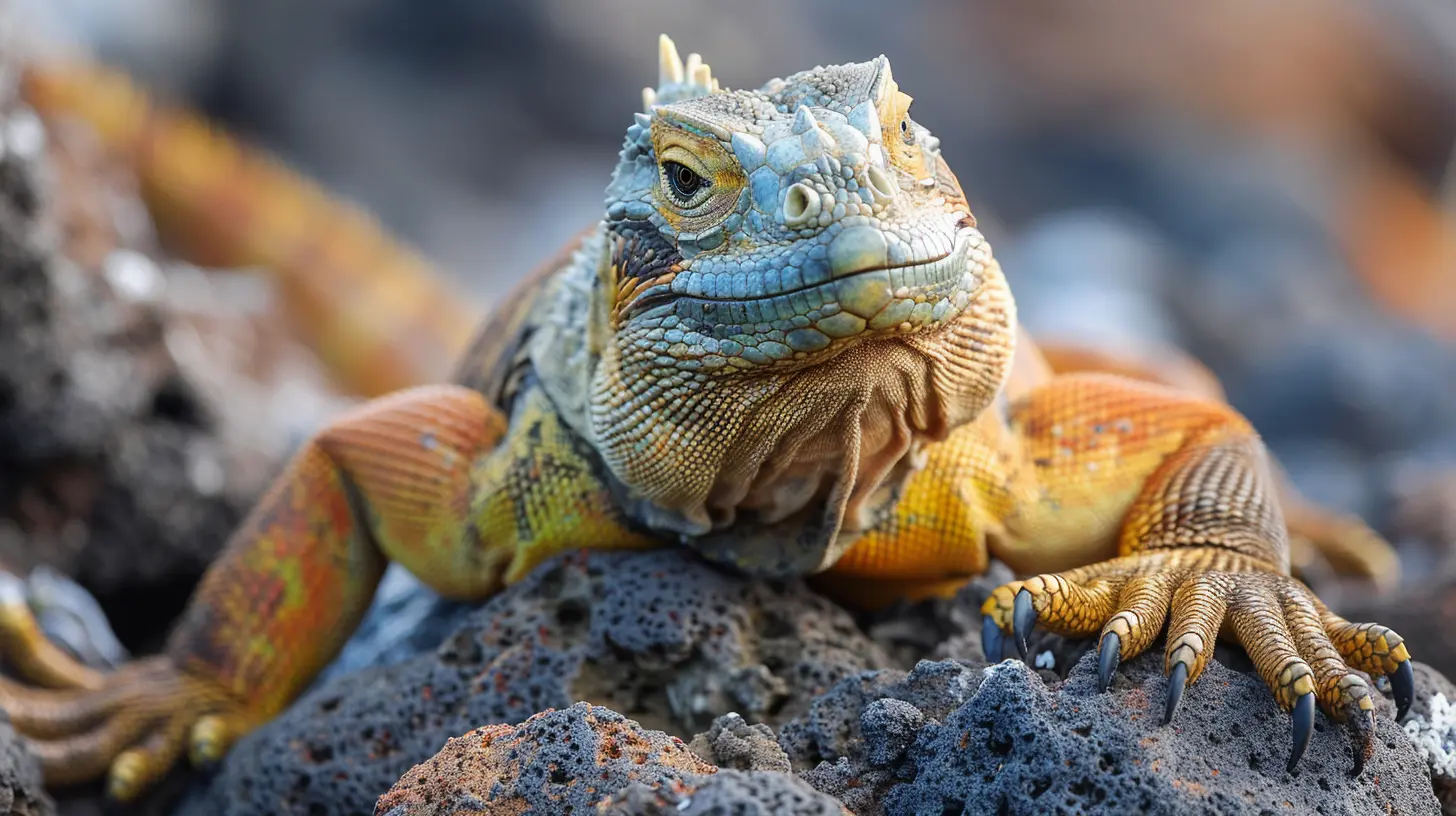
The Sunbathing Reptiles: Marine Iguanas
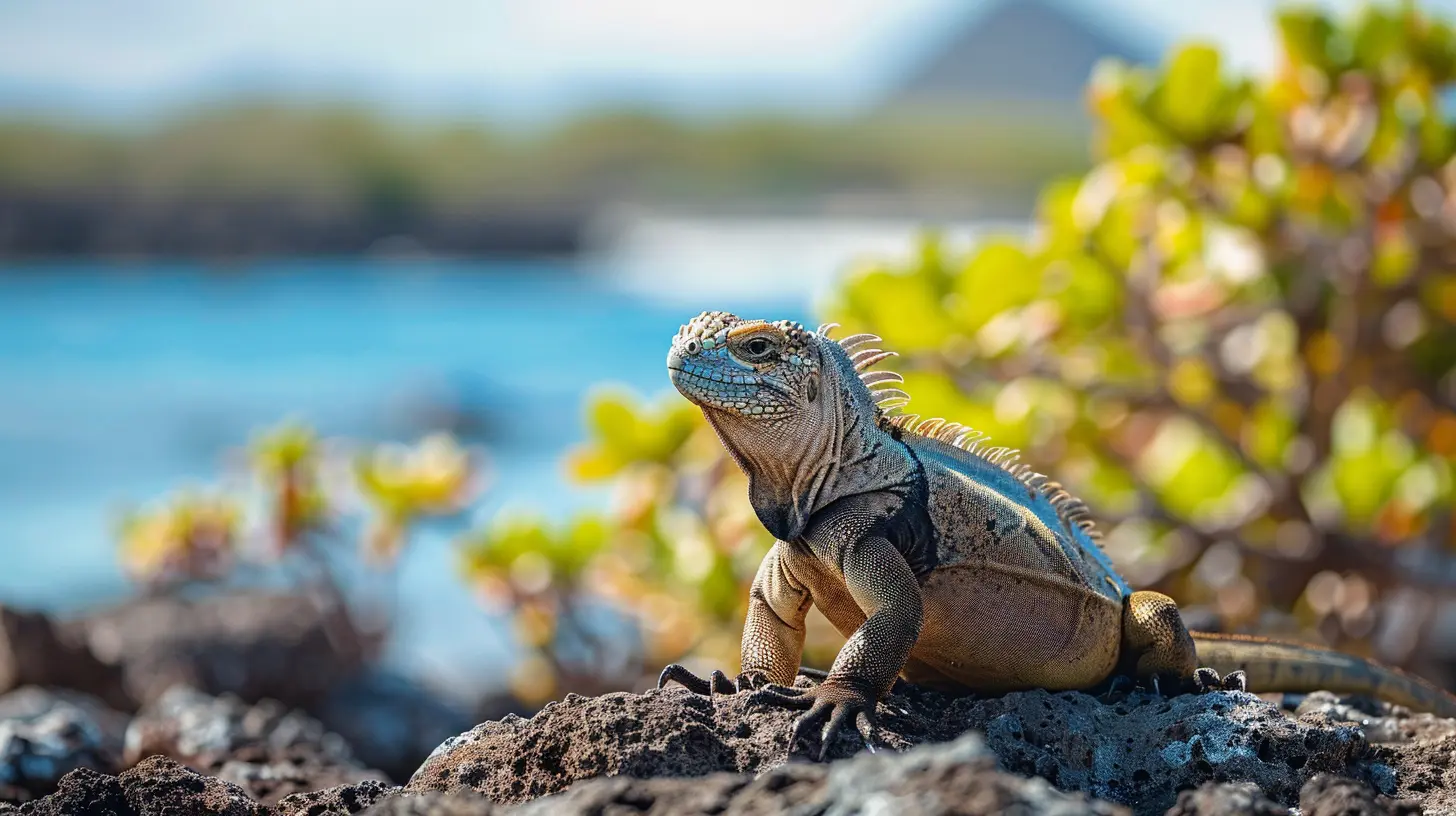
The Galápagos is home to the world’s only sea-going lizard—the marine iguana. These prehistoric-looking reptiles are hard to miss, often found basking on the black volcanic rocks, warming up after a cold swim.Unlike other iguanas, marine iguanas have evolved to dive into the ocean, holding their breath for up to 30 minutes while they snack on algae. And when they return to land, they expel excess salt from their bodies by “sneezing” it out—a truly bizarre but fascinating sight!
The Majestic Flyers: Galápagos Albatross
If you visit Española Island, you might be lucky enough to witness the incredible courtship ritual of the Galápagos albatross. These majestic birds are known for their elaborate mating dance, which includes bill-fencing, beak clacking, and synchronized head movements—it's like watching a perfectly choreographed ballet.The Galápagos albatross is also famous for its impressive wingspan, stretching up to 8 feet! Watching them soar effortlessly over the ocean is enough to leave anyone in awe.
The Tiny but Mighty: Darwin’s Finches
They may not look extraordinary at first glance, but Darwin’s finches are one of the most significant species in evolutionary science. These small birds played a key role in shaping Darwin’s theory of natural selection.Each species of finch has a uniquely shaped beak, perfectly adapted to its preferred food source—some eat seeds, some catch insects, and others even drink blood (yes, really!). This variety in beak shapes is a textbook example of how animals evolve to survive in their environment.
Best Places to See Wildlife in the Galápagos
The Galápagos Islands are a dream destination, but where exactly should you go to see the best wildlife? Here are a few must-visit spots:- Santa Cruz Island – Home to the Charles Darwin Research Station and plenty of giant tortoises.
- Fernandina Island – The best place to see large colonies of marine iguanas.
- Isabela Island – Offers sightings of Galápagos penguins, sea lions, and flightless cormorants.
- Española Island – The only breeding site of the Galápagos albatross.
- Genovesa Island – A birdwatcher’s paradise, packed with red-footed boobies and frigatebirds.
Regardless of which island you visit, you’re guaranteed spectacular wildlife encounters.
Best Time to Visit the Galápagos for Wildlife
The beauty of the Galápagos is that there’s no bad time to visit. However, different seasons offer unique wildlife experiences:- December to May – Warmer temperatures and calmer seas. It’s the breeding season for sea lions, turtles, and marine birds—so if you want to witness adorable baby animals, this is the time to go!
- June to November – Cooler waters bring rich nutrients, attracting more marine life. It’s also the best time to see whales and dolphins.
No matter when you visit, the wildlife will always be waiting!
Responsible Tourism: How to Respect the Galápagos Wildlife
Visiting the Galápagos is a privilege, and with that privilege comes responsibility. Here are a few ways to help protect this fragile ecosystem:- Keep Your Distance – Always stay at least six feet away from animals, even if they seem unbothered.
- Follow the Rules – Stick to marked trails and listen to your guide.
- Don’t Feed the Animals – It affects their natural behavior and diet.
- Leave No Trace – Take nothing but photos, leave nothing but footprints.
By following these simple guidelines, we can ensure that future generations also get to marvel at the wildlife of the Galápagos.
Ready for the Adventure of a Lifetime?
The Galápagos Islands are a place like no other, where nature reigns supreme and wildlife thrives in its purest form. Whether you're snorkeling alongside sea lions, locking eyes with a giant tortoise, or witnessing a blue-footed booby’s comical dance, this is a journey that will stay with you forever.So, what are you waiting for? Pack your bags, grab your camera, and get ready to marvel at the wildlife of the Galápagos Islands!
all images in this post were generated using AI tools
Category:
South America TravelAuthor:

Taylor McDowell
Discussion
rate this article
2 comments
Thalyn Allen
Thank you for this insightful article! The Galápagos Islands are truly a marvel of nature, showcasing unique wildlife and stunning landscapes. Your vivid descriptions inspire me to explore this remarkable destination and appreciate its biodiversity. Keep up the great work!
January 17, 2026 at 5:34 PM
Taylor McDowell
Thank you for your kind words! I'm thrilled to hear the article inspired you to explore the Galápagos Islands and appreciate their incredible biodiversity. Safe travels!
Ellie McCall
The Galápagos Islands are truly a wildlife paradise—an unforgettable experience awaits!
December 26, 2025 at 4:08 PM
Taylor McDowell
Thank you! The Galápagos truly offer a unique glimpse into nature's wonders. I hope you get to experience it firsthand!