Pre-Trip Checklist to Avoid Last-Minute Travel Stress in 2027
30 April 2026
Let’s be real for a second: we’ve all been there. You’re standing in your living room at 2 AM, surrounded by a pile of clothes that somehow multiplies every time you look away, frantically searching for your passport while your phone buzzes with boarding pass reminders. Your heart is racing, your suitcase is half-open, and you’re seriously considering whether you can just skip the trip and binge-watch a show instead. Sound familiar? Yeah, I’ve been that person too. But here’s the thing—2027 is the year we stop letting last-minute chaos steal the joy from our adventures. Travel should feel like a gentle wave carrying you toward new horizons, not a tsunami of panic. So, grab a coffee (or tea, no judgment), and let’s build a pre-trip checklist that’ll make your next journey as smooth as butter on warm toast.

Why 2027 Travel Demands a New Kind of Prep
Travel in 2027 isn’t your grandma’s road trip. We’re talking biometric boarding, AI-powered itinerary apps, and luggage that can charge your phone (yes, that’s real now). But with all this tech comes a fresh layer of complexity. Digital visas, real-time flight alerts, and smart packing cubes are great—until you forget to update your travel app and end up at the wrong terminal. The stakes are higher because the world is smaller, but the wrinkles are bigger. That’s why your pre-trip checklist needs to be a living document, not a dusty note from 2023. Think of it as your travel compass—always pointing you toward calm, even when the airport Wi-Fi goes down. Ready to ditch the stress? Let’s break it down step by step.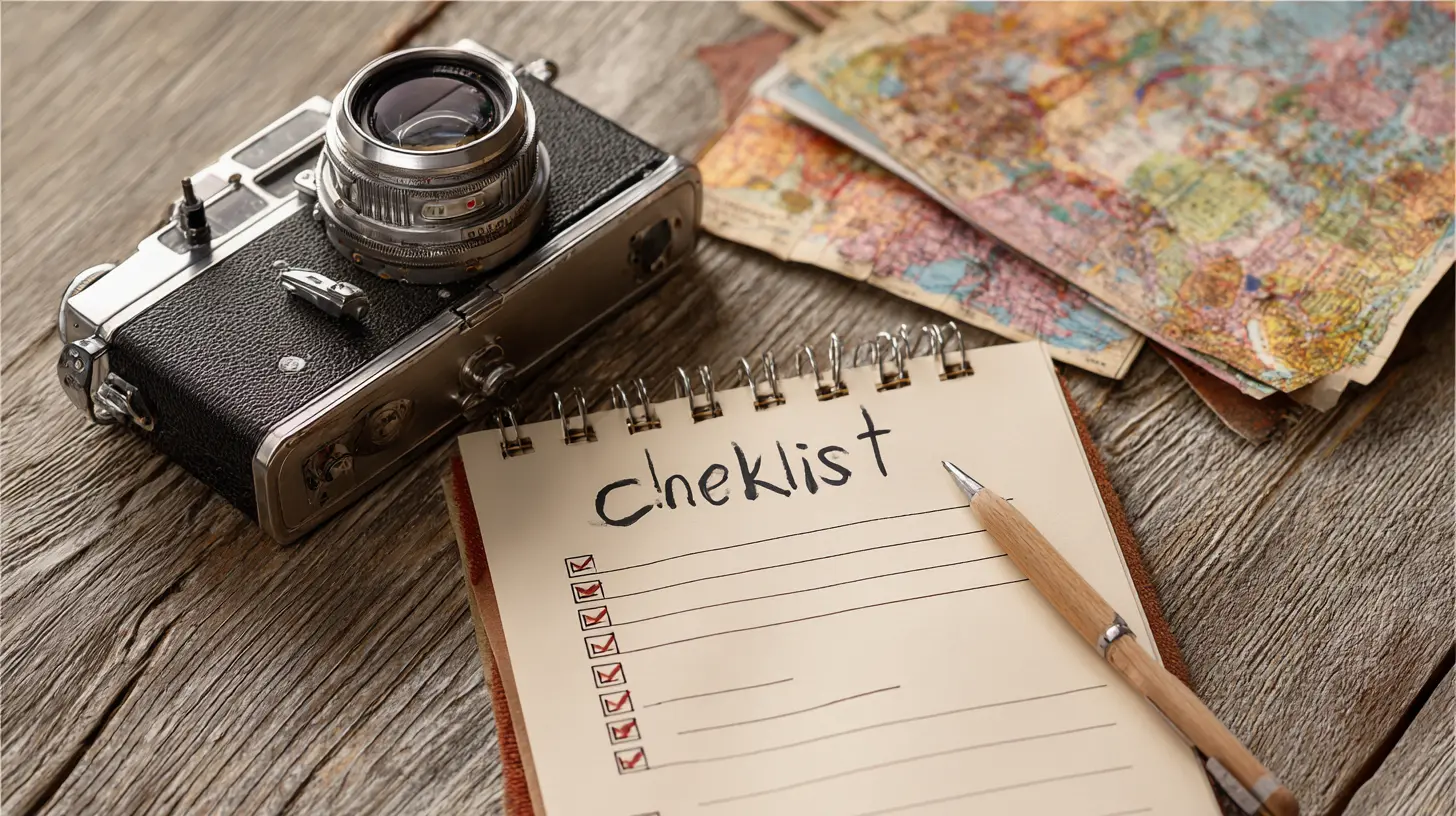
Step 1: The Digital Clarity Check (Your Passport to Peace)
First things first: your digital life. In 2027, your phone is basically your second passport. But here’s the kicker—if it’s not organized, you’re setting yourself up for a headache. Start by creating a dedicated folder on your phone for travel docs. Scan your passport, visa (if needed), driver’s license, and any health certificates (like vaccination records or travel insurance cards). Save them as PDFs, and also email them to yourself. Why? Because phones die, batteries fail, and Murphy’s Law loves airports. I once watched a guy cry at a check-in counter because his phone bricked—don’t be that guy.Next, update your travel apps. In 2027, most airlines and hotels use AI to send push notifications about gate changes, delays, or even local weather alerts. But if your app is outdated, you’ll miss the memo. Set a reminder two weeks before departure to check for updates. Also, download offline maps of your destination. Trust me, when you’re wandering through a foreign city at dusk, and your signal drops to zero, those offline maps will feel like a lifeline. And here’s a pro tip: use a password manager to store all your login details for booking sites, airline accounts, and travel insurance. Nothing kills the vibe faster than resetting a password while you’re sweating in a taxi.

Step 2: The Paperwork Power Hour (Don’t Skip This)
I know, paperwork sounds boring. But it’s the unsung hero of stress-free travel. In 2027, many countries have streamlined entry with e-visas and digital customs forms, but that doesn’t mean you can wing it. Print out hard copies of everything: your itinerary, hotel confirmations, flight tickets, and any vaccination records. Yes, I said print. Call me old-fashioned, but when the airport scanner eats your phone’s battery, a crisp piece of paper in your hand is a beautiful thing. Plus, some border control officers still prefer physical documents—especially in smaller airports or less digitized regions.Set aside one evening, about a week before your trip, and do a “paperwork power hour.” Spread everything on your kitchen table. Check expiration dates on your passport (most countries require six months of validity beyond your return date). Verify that your visa is approved and linked to your passport number. If you’re traveling with kids, double-check that their documents are in order—nothing derails a family vacation like a missing birth certificate. And for the love of all things good, make sure your travel insurance covers medical evacuation, trip cancellation, and lost luggage. In 2027, climate events and flight disruptions are more common, so don’t gamble with your peace of mind.
Step 3: Packing Like a Pro (But Not a Robot)
Packing is where most people lose their marbles. You either overpack (hello, 50-pound suitcase) or underpack (no, one pair of jeans won’t last a week in Tokyo). The secret? Use the “capsule wardrobe” approach mixed with a dash of 2027 tech. Start by checking the weather forecast for your destination seven days out. Then, lay out every outfit you think you’ll need. Now, cut it in half. Seriously. You don’t need five pairs of shoes for a weekend trip. In 2027, smart packing cubes are your best friend—they compress clothes and help you stay organized. Label them by day or activity (e.g., “Day 1: City Walk,” “Day 2: Beach”). It sounds extra, but when you’re jet-lagged and fumbling for a swimsuit, you’ll thank me.Don’t forget the essentials that scream “I’m prepared”: a portable charger (with multiple cables), a reusable water bottle with a filter (tap water isn’t safe everywhere), and a small first-aid kit with basics like ibuprofen, band-aids, and antihistamines. In 2027, many airports have banned single-use plastics, so pack a foldable tote bag for shopping or unexpected souvenirs. And here’s a rhetorical question for you: How many times have you arrived at a hotel only to realize you forgot your toothbrush? Exactly. Make a physical list taped to your suitcase, and check it off as you pack. Your future self will send you a mental high-five.
Step 4: The Money Maze (Simplify Your Wallet)
Money stress is real, folks. In 2027, we’re dealing with digital currencies, contactless payments, and the occasional cash-only corner store in a remote village. The trick is to prepare your wallet before you leave home. Notify your bank and credit card companies of your travel dates and destinations. I once had my card frozen in Paris because I forgot to do this—let’s just say I ate a lot of baguettes while waiting for the bank to call back. Avoid that drama by setting up travel alerts online or through your banking app.Carry a mix of payment methods: at least two credit cards (from different providers), a debit card, and some local currency in cash. In 2027, many countries have introduced digital IDs for payments, but cash is still king in markets, taxis, and small eateries. Exchange a small amount of money before you leave (your local bank or airport kiosk works), but don’t go overboard—ATMs abroad often give better rates. And please, for the love of travel, keep a backup stash of emergency cash hidden in your luggage. A $20 bill in your sock might feel old-school, but it’s saved me from hunger on more than one occasion.
Step 5: Health and Wellness (Because You Can’t Enjoy a Trip If You’re Sick)
Traveling in 2027 means you’re exposed to new germs, different altitudes, and weird time zones. Don’t let a cold or jet lag ruin your adventure. Start prepping your body a week before departure. Adjust your sleep schedule gradually—go to bed 15 minutes earlier each night if you’re heading east, or later if you’re heading west. Hydrate like it’s your job. I’m talking water, not coffee or alcohol. Dehydration is a sneaky travel villain that amplifies fatigue and headaches.Pack a small health kit with essentials: melatonin for jet lag, motion sickness pills for bumpy flights, and any prescription meds in their original bottles (with a copy of the prescription). In 2027, some countries have stricter rules about bringing medications, so check the embassy website for your destination. Also, consider travel insurance that includes telemedicine—most providers now offer 24/7 video calls with doctors. If you feel a scratchy throat at 3 AM in a foreign hotel, you can get advice without stumbling to a pharmacy. Lastly, don’t forget sunscreen and insect repellent. I know, it’s basic, but you’d be surprised how many people skip it and end up looking like a lobster on day two.
Step 6: The Home Front (Lock It Down Before You Leave)
Before you zip that suitcase, take a final lap around your home. This is the “what if” checklist. Unplug electronics (except your fridge and Wi-Fi router) to save energy and reduce fire risk. Set your thermostat to an energy-saving mode—your AC doesn’t need to cool an empty house. Water your plants or ask a neighbor to do it (and bribe them with a souvenir). Stop mail delivery or arrange for a friend to collect it—nothing screams “I’m not home” like a pile of letters on your doorstep.In 2027, smart home tech is your ally. Use a smart plug to turn lights on and off remotely, giving the illusion someone’s home. If you have a pet, book a sitter or boarding early—don’t wait until the night before. And here’s a heartfelt tip: leave a spare key with a trusted neighbor or family member. It’s not just for emergencies; it’s for that moment when you realize you left your laptop charger at home and need someone to overnight it to you. Oh, and double-check that your travel insurance covers your home while you’re away. Some policies include theft protection for your property.
Step 7: The Final 24 Hours (Your Calm Before the Storm)
The day before your trip is sacred. Do not, I repeat, do not leave everything for the last minute. Lay out your outfit for travel day—comfortable shoes, layers (airplanes are either freezing or boiling), and an easy-to-remove jacket for security. Charge all your devices: phone, laptop, power bank, e-reader, and any smart luggage. Check in online (most airlines allow this 24 hours before) and download your boarding pass to your phone and as a PDF. If you’re checking a bag, weigh it on a home scale to avoid surprise fees at the airport.Prepare a “carry-on survival kit” with snacks, an empty water bottle (fill it after security), noise-canceling headphones, a sleep mask, and a change of underwear. Yes, underwear. Trust me on this. If your luggage gets lost, you’ll be grateful for a fresh pair. Also, write down your itinerary on a tiny card and keep it in your pocket—just in case your phone dies. Finally, set multiple alarms for the morning, and give yourself an extra hour for travel to the airport. Traffic, security lines, and last-minute bathroom breaks happen. You’re not a superhero; you’re a human who deserves to arrive relaxed.
Step 8: The Emotional Prep (Don’t Forget Your Mind)
Here’s something most checklists miss: your mental state. Travel stress isn’t just about logistics—it’s about the anxiety of the unknown. Acknowledge that it’s okay to feel nervous. In 2027, with climate change affecting flight patterns and geopolitical shifts, uncertainty is part of the package. But you can prep for that too. Take 10 minutes the night before to visualize your trip going smoothly. Imagine yourself at the gate, smiling, sipping a latte. It sounds cheesy, but it works.Create a “travel mantra” for yourself. Mine is: “I am adaptable. I am prepared. I am here to enjoy.” Repeat it when turbulence hits or when your connecting flight gets delayed. Also, download a meditation app or some calming music for the plane. In 2027, many airlines offer wellness channels, but having your own playlist is a safety net. And remember, travel is a privilege. Even if things go sideways—like a missed train or a rainy day—you’re still experiencing something new. That’s the whole point.
Your 2027 Travel Transformation Starts Now
So, here’s the deal: this checklist isn’t just a list of tasks. It’s a mindset shift. By prepping with intention, you’re giving yourself the gift of presence. Instead of sweating over lost documents or forgotten chargers, you’ll be sipping a local brew, watching the sunset, or laughing with strangers who become friends. Travel in 2027 is about connection—to places, people, and yourself. And that connection starts with a calm heart and a well-packed bag. So go ahead, print this list, tape it to your wall, and check it off with pride. Your future self (the one lounging on a beach or exploring a mountain trail) is already thanking you.Now, tell me: What’s the one thing you always forget when you travel? For me, it’s my reusable shopping bag. Let’s learn from each other, because the best journeys are the ones we share. Safe travels, friend. You’ve got this.
all images in this post were generated using AI tools
Category:
Travel ChecklistsAuthor:

Taylor McDowell
Discussion
rate this article
2 comments
Easton Butler
I thought the only stress in 2027 would be figuring out my hoverboard. Turns out packing is still a thing... who knew? Happy travels, future explorers!
May 9, 2026 at 3:06 PM
Megan McPherson
Great tips for a smooth travel experience in 2027!
May 8, 2026 at 4:31 AM