Rediscovering Aboriginal Dreamtime Rituals in 2026
1 May 2026
You've probably felt it too. That quiet hum in the back of your mind, the one that whispers you're missing something real. Something ancient. In a world that moves faster than our phones can charge, we're all starving for a slower, deeper connection. And here's the thing: the oldest living culture on Earth has been holding the answer for over 60,000 years. I'm talking about the Aboriginal Dreamtime, and in 2026, it's calling us back not as tourists, but as seekers.
Let's be honest. Most of us treat travel like a checklist. Snap a selfie at Uluru, buy a didgeridoo at the airport, and call it a cultural experience. But that's like licking the cover of a cookbook and saying you've had dinner. The Dreamtime, or "Tjukurpa" in many Central Australian languages, isn't a tourist attraction. It's a living map of the land, the sky, and the human spirit. And in 2026, a quiet revolution is happening. People are ditching the generic tours and stepping into the real thing.
Why 2026 Is The Year Of Returning
So why now? Why is this the year to rediscover these ancient rituals? Look around. We've spent the last few years glued to screens, arguing online, and feeling more disconnected than ever. The pandemic shook us. Climate anxiety is real. And deep down, we know that scrolling isn't healing. We're craving ritual, not just vacation. We want to stand on red earth, feel the sun on our skin, and listen to stories that have been sung for thousands of generations.In 2026, Aboriginal communities are opening their doors wider than ever before, but on their terms. They're not selling a product. They're sharing a way of seeing the world. And that shift from "performance for tourists" to "invitation into a living culture" changes everything. You're no longer a spectator. You're a witness. And that's a huge difference.
What The Dreamtime Actually Is (And Isn't)
Let's clear something up right now. The Dreamtime isn't a fairy tale. It's not a myth in the way we think of Greek legends. It's the foundation of Aboriginal law, morality, and ecology. It's the story of how the world was created by ancestral beings who moved across a formless land, singing mountains, rivers, and animals into existence. These songs are called "songlines," and they're the original GPS. Literally.Imagine a map that isn't drawn on paper but sung in your bones. That's a songline. You can walk a songline across hundreds of miles, and every bend in the river, every rock formation, is a verse in a song. If you know the song, you never get lost. In 2026, more travelers are walking these songlines not to find a destination, but to find themselves. And honestly, that's the whole point.
Rituals That Will Change How You See The World
Now, let's get into the good stuff. The rituals. These aren't performances staged for a camera. They're sacred practices that connect people to country, to ancestors, and to each other. And the beautiful thing is, many of them are accessible if you approach them with respect and an open heart.The Smoking Ceremony: Burning Away The Old
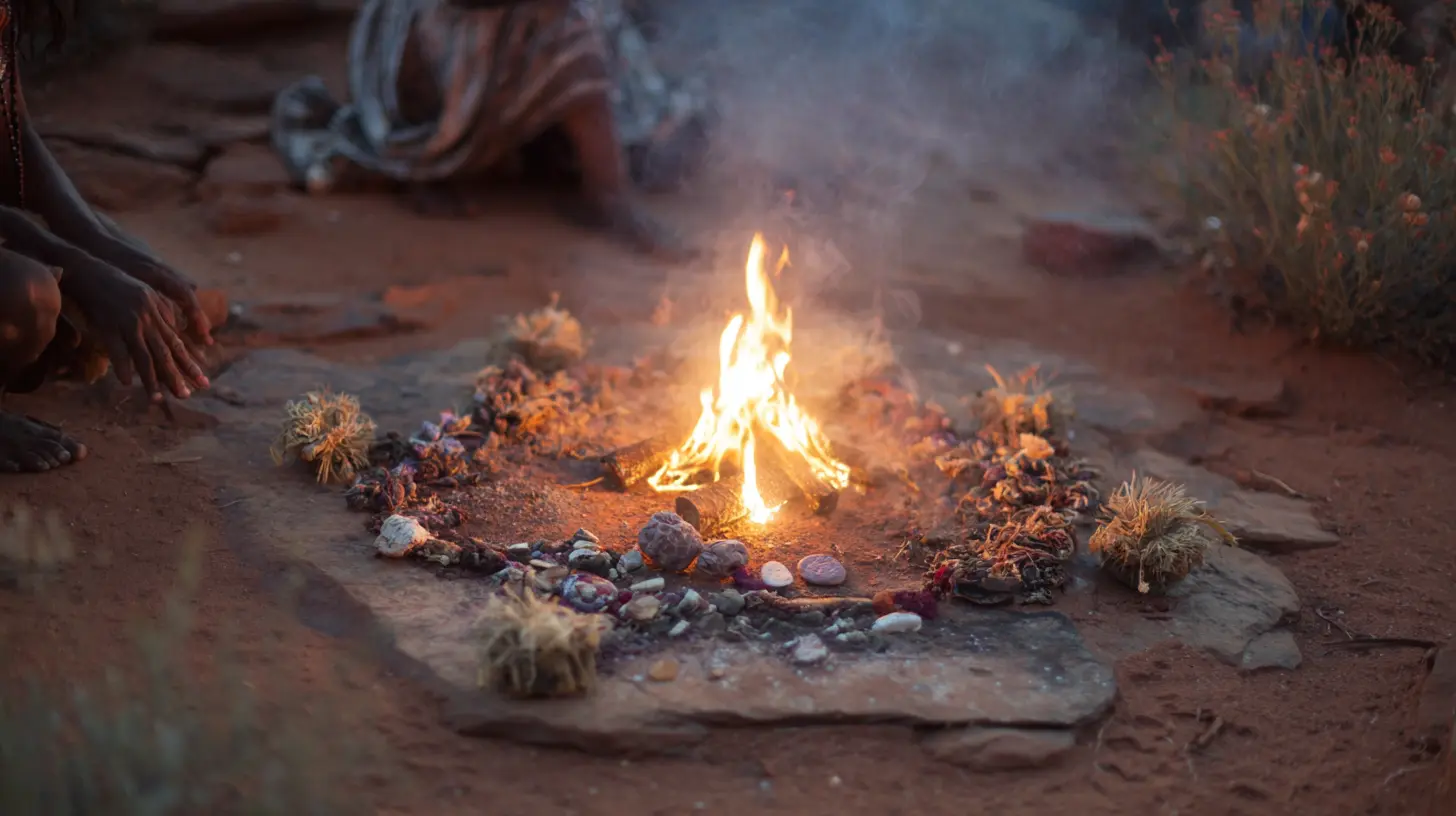
You might have seen this at the start of a sporting event, but in real life, it's something else entirely. A smoking ceremony uses native plants like eucalyptus or sandalwood to create a thick, fragrant smoke. Participants walk through it to cleanse negative energy, heal the spirit, and welcome new beginnings.I did this in 2024 near Alice Springs, and I'm not exaggerating when I say it felt like a reset button for my soul. The smoke stung my eyes a little, but the warmth, the smell, the silence of the group... it was like being wrapped in a blanket of time. In 2026, more retreats are offering guided smoking ceremonies that aren't just symbolic. They're led by Elders who explain the meaning behind every leaf and every ember. You don't just walk through smoke. You walk through a story.
The Corroboree: Dance As A Living Story
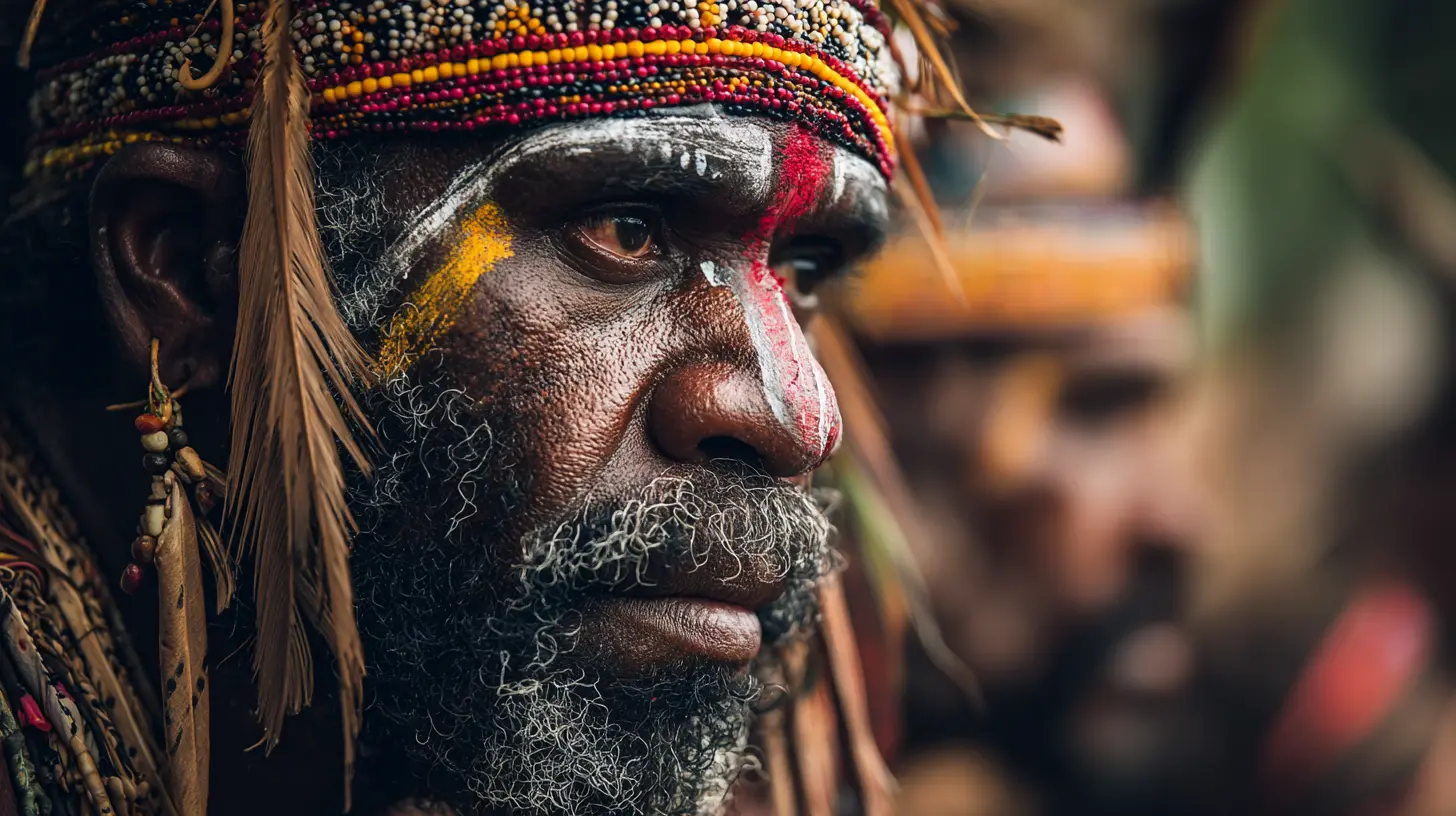
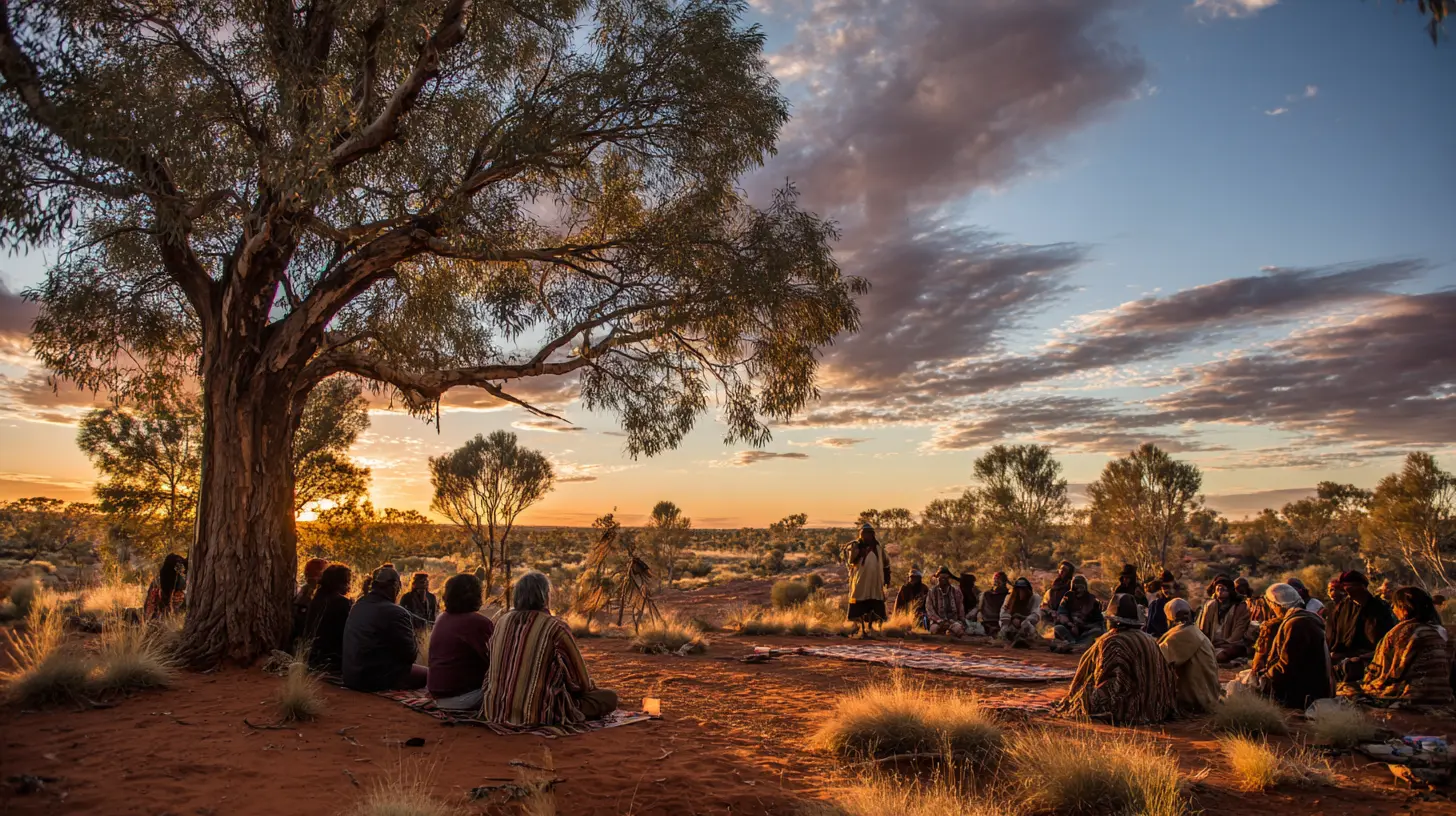
A corroboree is a gathering where stories are told through dance, song, and body paint. It's not a show. It's a reenactment of creation. Dancers become the ancestral beings. The ground becomes the first world. And you, as a visitor, are invited to witness something that has been performed in that exact spot for millennia.In 2026, several communities in the Kimberley region and Arnhem Land are hosting corroborees that are open to respectful visitors. But here's the catch: you have to sit still. No phones. No talking. Just watch. And when you do, something clicks. You realize that dance isn't just movement. It's memory. It's the land remembering itself through human bodies. That's heavy, right? But in the best way.
The Walkabout: A Journey Into Yourself
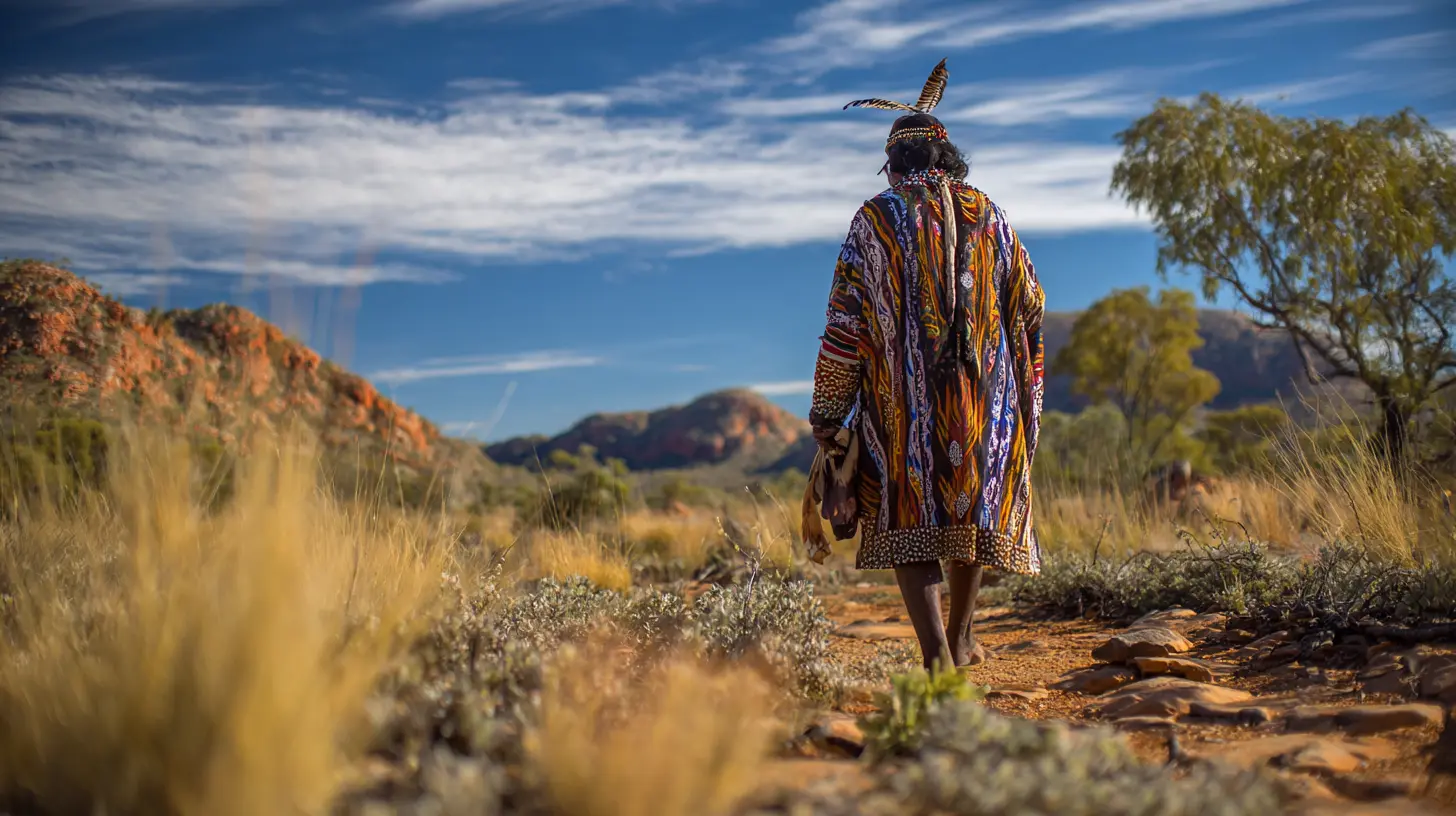
The word "walkabout" gets thrown around a lot in pop culture, usually to mean aimless wandering. But in Aboriginal culture, it's a rite of passage. A young person goes into the bush alone to connect with the land, learn survival skills, and hear the spirits speak. It's not a vacation. It's a test.Now, you can't just wander into the outback and claim you're on walkabout. That would be disrespectful. But in 2026, there are programs led by Aboriginal guides that take you on a modified version of this journey. You walk for days with minimal gear. You learn to read the stars, find water, and listen to the silence. And let me tell you, after three days without a phone, your mind gets quiet in a way you forgot was possible. You start hearing your own thoughts again. And sometimes, that's the loudest message of all.
The Role Of Art In Keeping The Dreamtime Alive
You can't talk about Dreamtime rituals without talking about art. Aboriginal art isn't just decoration. It's a visual language. Those dots and circles you see on canvas? They're maps. They're stories. They're legal documents proving who owns the land.In 2026, art workshops run by Aboriginal artists are booming. But not the kind where you paint a koala on a boomerang. I'm talking about real workshops where you learn the meaning behind the symbols. You sit with an artist who might paint for hours without speaking, and then suddenly, they tell you a story about a waterhole that saved their grandfather's life. You realize the painting isn't finished until the story is told. And the story isn't finished until you've heard it with your heart.
One artist in the APY Lands told me, "When I paint, I'm not making something new. I'm revealing what's already there. The land is speaking through my hand." That stuck with me. It made me rethink every piece of art I've ever hung on my wall. Maybe we're not creators. Maybe we're just translators.
How To Approach These Rituals Without Being A Jerk
Alright, let's get real for a second. Not everyone who reads this will be respectful. Some will show up with a selfie stick and a "what's in it for me" attitude. Don't be that person. Here's how you honor the culture while getting the most out of your experience.First, listen more than you speak. Aboriginal Elders have been waiting their whole lives for someone to genuinely listen. When they tell a story, don't interrupt. Don't ask "what does it mean?" right away. Just sit with it. Meaning unfolds on its own time.
Second, leave your expectations at the airport. You might show up for a ceremony and it gets canceled because the wind changed direction. That's not a failure. That's respect. In Aboriginal culture, you don't perform a ritual if the land isn't ready. So if the Elder says "not today," trust that. The land knows.
Third, pay fairly. Many communities run their own tourism operations now. Book directly with them, not through a middleman. Pay what they ask, and don't haggle. This isn't a market. It's a gift economy disguised as tourism. Your money helps keep the culture alive for the next generation.
The Emotional Payoff: What You'll Take Home
So what happens after you've walked through smoke, sat through a corroboree, and painted with an Elder? You don't come back the same. I'm not saying you'll have a spiritual awakening and quit your job to become a bush tucker forager. But something shifts.You'll find yourself noticing the sky more. You'll catch yourself listening to the wind. You'll realize that the world is full of stories if you just slow down enough to hear them. And that feeling? It's addictive. In the best way.
In 2026, more people are reporting that their trip to Australia wasn't just a vacation. It was a reorientation. They came home with fewer photos but more peace. They stopped chasing experiences and started sitting with them. That's the power of Dreamtime rituals. They don't just show you something. They change how you see everything.
Practical Tips For Your 2026 Journey
If this resonates with you, start planning now. But do it differently. Don't just Google "best Aboriginal tours." Dig deeper. Look for community-led initiatives in places like the Daintree Rainforest, the Red Centre, or the Tiwi Islands. Read reviews from travelers who mention the guide's name, not just the scenery. Reach out to tourism boards that are Indigenous-owned, like Voyages Indigenous Tourism Australia or the Western Desert Nganampa Walytja Palyantjaku (that's a mouthful, but they're amazing).Pack light. Pack respectfully. Bring a journal. Leave your drone at home. And most importantly, bring an open mind. The rituals you'll encounter aren't about entertaining you. They're about inviting you into a conversation that's been going on for 60,000 years. All you have to do is show up and listen.
A Final Thought
We live in a time where everything feels disposable. Relationships, products, even experiences. But the Dreamtime offers something else. It offers permanence. It says that the land remembers you, even if you forget it. It says that stories don't die as long as someone is willing to sing them.So in 2026, when you feel that pull to travel, don't just book a flight. Book a journey. Go somewhere that asks something of you. Sit with a culture that doesn't rush. Let the red dust settle on your skin. And when you come home, don't just tell people about the places you saw. Tell them about the stories you heard. Because those stories? They're the only souvenirs that last forever.
all images in this post were generated using AI tools
Category:
Local TraditionsAuthor:
Taylor McDowell
Discussion
rate this article
2 comments
Elora Fields
This article beautifully captures the essence of Aboriginal culture and the significance of Dreamtime rituals. A must-read for anyone interested in cultural tourism in 2026.
May 5, 2026 at 3:26 AM
Katie McKinney
What a fantastic journey into the heart of culture! Exploring Aboriginal Dreamtime rituals offers a unique glimpse into timeless stories and traditions. It's a great reminder of the beauty in diversity and the importance of connection to history. Let's embrace these experiences and celebrate together!
May 2, 2026 at 2:34 PM