Smart Travel Prep for Digital Nomads on the Move in 2026
8 May 2026
Let me guess. You are staring at your laptop screen, sipping coffee from a mug that has not been washed in three days, and wondering how the hell you are going to pull off that trip to Lisbon while keeping your freelance income steady. I have been there. Every digital nomad has been there. The difference between a smooth journey and a chaotic mess is not luck. It is prep. And in 2026, the game has changed. The days of just booking a one-way ticket and hoping for the best are long gone. You need a smart system, a practical playbook, and a bit of guts. Let me walk you through the real deal.
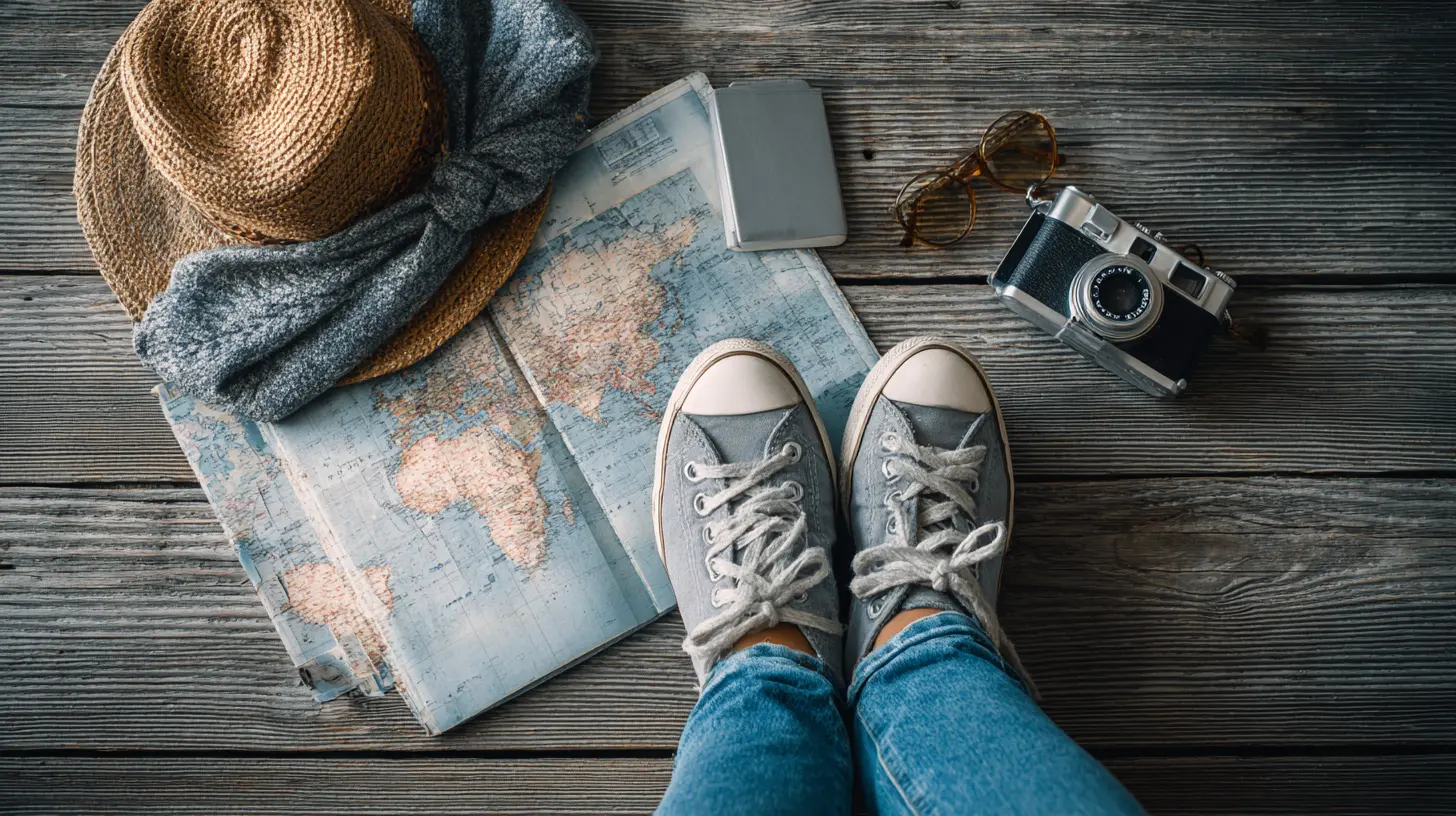
Why 2026 Is a Different Beast for Nomads
You might think, "Hey, I have been working remotely for years. What is so special about next year?" Well, a lot. First, more countries are cracking down on digital nomad visas, but they are also getting picky. You cannot just show up with a passport and a smile. Second, inflation and currency shifts mean your dollar, euro, or pound does not stretch as far as it used to. Third, the competition for co-working spaces and affordable housing in hotspots like Bali or Medellin is brutal. You need to think like a strategist, not a tourist.I have seen nomads burn out because they forgot to check visa rules or ended up in a place with spotty internet. Do not be that person. In 2026, prep is not optional. It is survival.
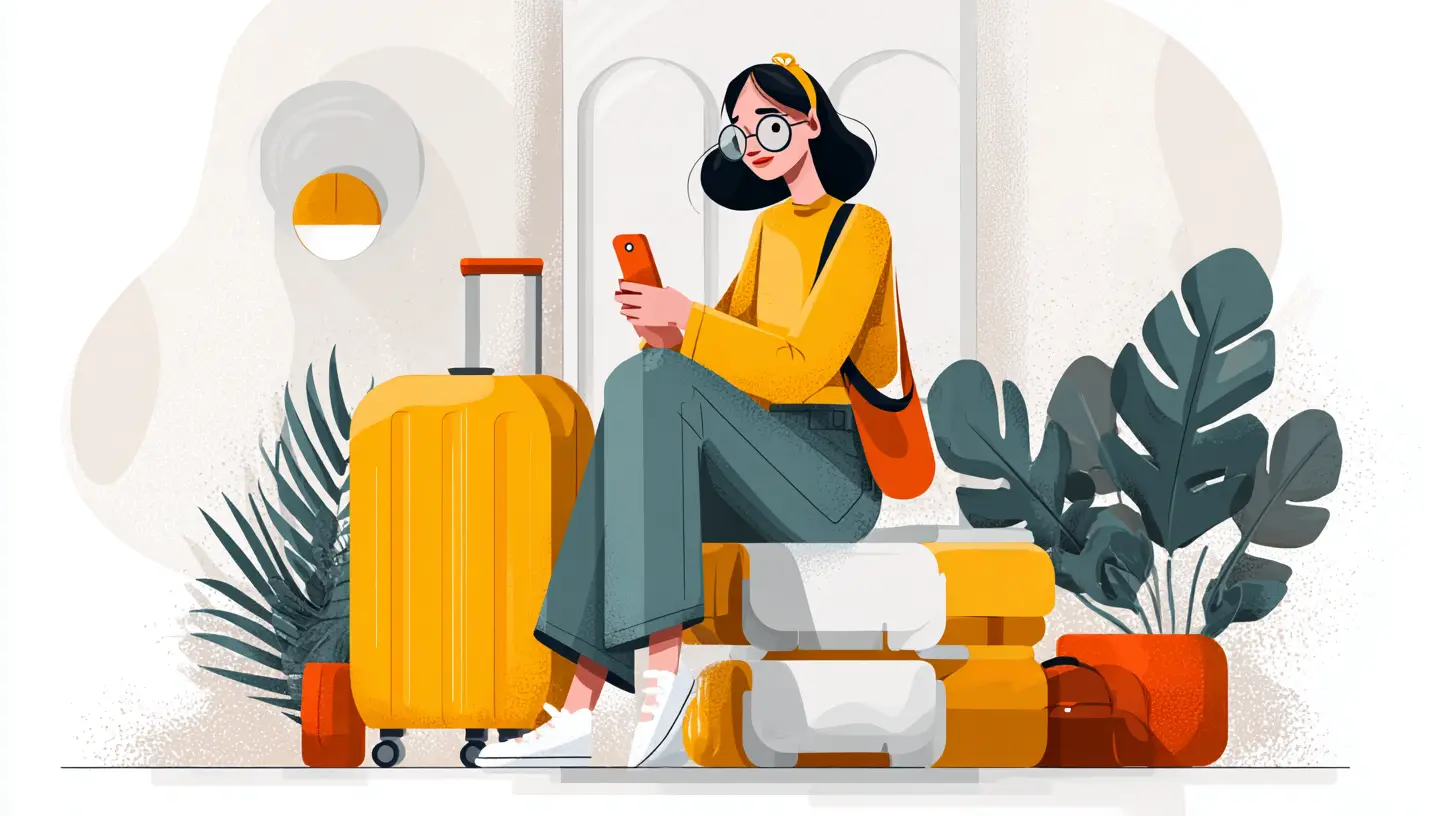
Step 1: Nail Down Your Digital Infrastructure Before You Pack
Let us start with the boring stuff. Your tech setup. You cannot afford to wing it. I have learned this the hard way. Imagine landing in a new city, ready to crush a deadline, and your laptop dies. Or your VPN fails, and you cannot access your bank account. That is a nightmare you do not want.Your laptop is your office. Treat it like one. Before you leave, back up everything. I mean everything. Use a cloud service like Google Drive or Dropbox, but also carry a portable SSD. In 2026, cloud storage is cheap, but internet outages are still a thing. Do not rely solely on the cloud. Have a physical backup in your bag. Also, invest in a good power bank. Not a cheap one. A high-capacity one that can charge your laptop at least once. You will thank me when you are stuck in a train station in rural Thailand.
Internet is your lifeline. Do not assume your Airbnb or hostel has fast WiFi. Check reviews specifically for internet speed. I use a tool like Speedtest before booking. If the place has less than 50 Mbps download speed, I skip it. For critical work, I carry a portable hotspot device. In 2026, devices like the GlocalMe or Skyroam work in over 100 countries. Yes, they cost a bit upfront, but they save you from panic attacks.
VPN is non-negotiable. You are going to use public WiFi in cafes, airports, and co-working spaces. Hackers love nomads because we are easy targets. Get a reliable VPN. I use NordVPN or ExpressVPN. Set it up before you leave. Test it. Make sure it works with your banking apps. In 2026, some countries block VPNs, so check local laws. But for most destinations, it is your best friend.
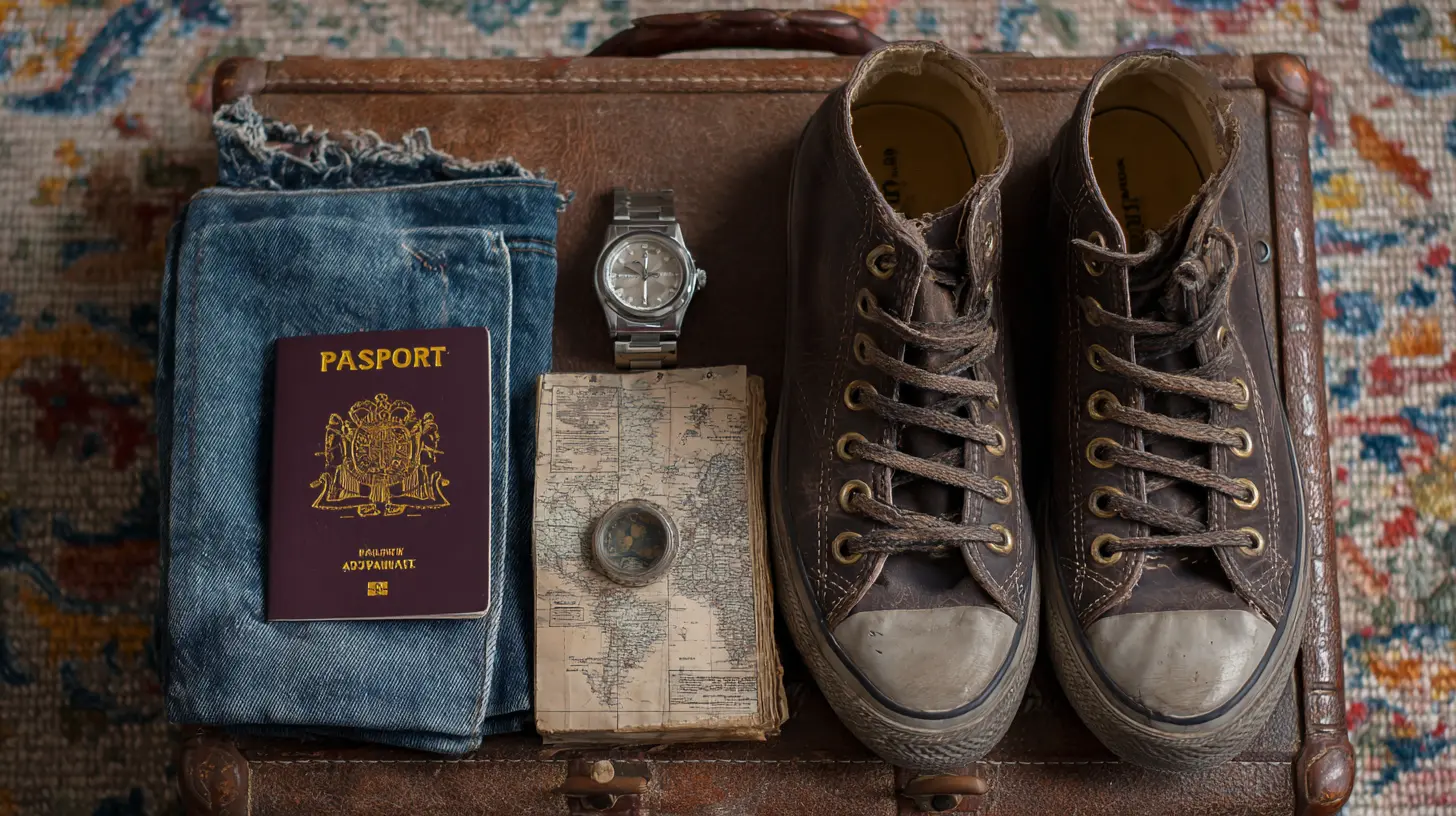
Step 2: Master the Visa Game Like a Pro
Visa rules are changing fast. In 2025, we saw Portugal tighten its digital nomad visa requirements. Spain introduced a new one. Thailand launched a 10-year visa for remote workers. By 2026, expect more countries to jump on the bandwagon, but with stricter income proof and health insurance mandates.Do not wait until the last minute. Start researching three months before your trip. I keep a spreadsheet of visa options for places I am interested in. For example, if you want to stay in Europe for more than 90 days, look into the D7 visa for Portugal or the non-lucrative visa for Spain. These require proof of steady income, usually around 2,000 to 3,000 euros per month. If you are a freelancer, gather your contracts, invoices, and bank statements early.
Pro tip: Some countries offer "digital nomad visas" that are separate from standard tourist visas. They often allow you to stay for 6 to 12 months. But they also require you to prove you work for a company outside that country. Keep your paperwork clean. Use a service like Nomad Girl or Visa Guide to stay updated. Do not rely on random blog posts. Things change weekly.
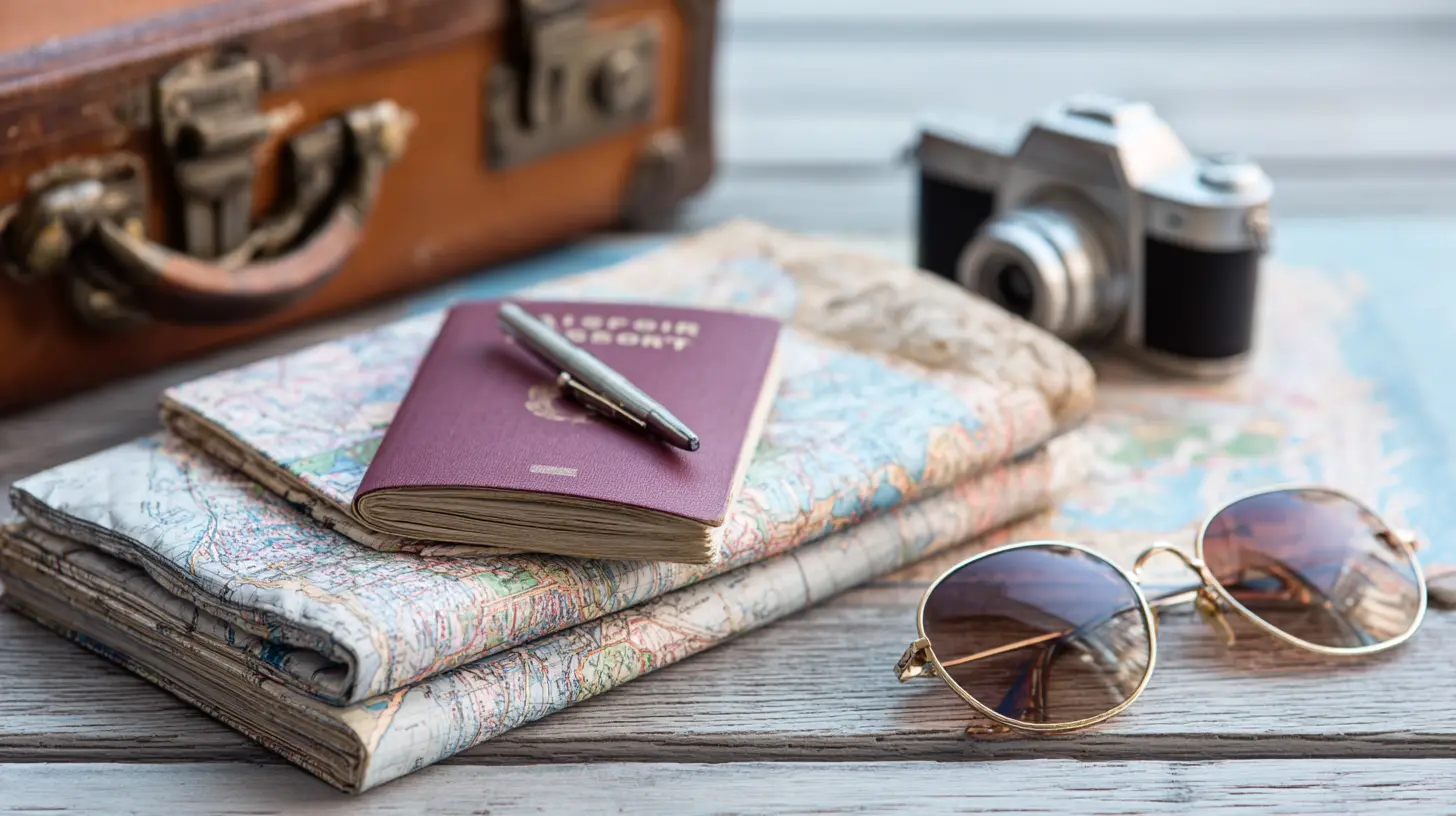
Step 3: Budget Like a Boss, Not a Broke Backpacker
Here is the truth. Many nomads fail because they treat their finances like a game of roulette. They book a flight, spend a week in a hostel, and then realize they are broke. In 2026, you need a budget that accounts for inflation and currency fluctuations.Track every dollar. I use a simple app like YNAB or even a Google Sheet. List your fixed costs: accommodation, co-working space, food, transport, insurance, and visa fees. Then add a buffer. I recommend at least 20% extra for emergencies. Why? Because things happen. Your laptop breaks. You need a last-minute flight. Your Airbnb host cancels. The buffer saves your sanity.
Consider geo-arbitrage. This is the nomad's secret weapon. If you earn in a strong currency like USD or EUR, you can live cheaply in countries like Vietnam, Colombia, or Mexico. But in 2026, even those places are getting pricier. For example, a decent apartment in Ho Chi Minh City now costs around 500 to 700 USD per month. A few years ago, it was 300. So adjust your expectations. Aim for mid-tier destinations like Romania, Bulgaria, or Malaysia. They offer good value without the chaos.
Insurance is not optional. Medical emergencies are expensive. I have a friend who needed emergency dental work in Mexico. It cost him 2,000 bucks. Without insurance, he would have been screwed. Get a plan that covers nomads. SafetyWing and World Nomads are popular. In 2026, look for plans that include coverage for extreme sports if you plan to hike or surf. Also, check if they cover trip cancellations and lost luggage.
Step 4: Pack Light, Pack Right
You might think packing is obvious. But I see nomads dragging 50-pound suitcases through cobblestone streets. That is a mistake. You are not moving permanently. You are traveling light and fast.The one-bag rule. Aim for a carry-on backpack, max 40 liters. I use a 35-liter backpack from Osprey. It fits everything I need for months. The key is to pack versatile clothing. Neutral colors. Layers. A few t-shirts, two pairs of pants, one jacket, and a pair of comfortable walking shoes. Do not bring "just in case" items. You can buy toiletries and clothes anywhere.
Tech gear minimalism. Besides your laptop, bring a tablet if you want, but I find it redundant. A good smartphone is enough for reading and entertainment. Carry a universal adapter with USB ports. Do not bring multiple chargers. Use a single cable for everything, like a USB-C to USB-C cable that works for your laptop, phone, and earbuds.
Health kit. Pack a small pouch with basic meds: painkillers, antihistamines, stomach medicine, and band-aids. Also, bring a digital thermometer and a mask or two. In 2026, some countries still require masks in healthcare settings. Better safe than sorry.
Step 5: Build a Routine That Travels With You
One of the hardest parts of being a nomad is maintaining productivity. You wake up in a new city, and your brain is scattered. You want to explore, but you have deadlines. How do you balance it?Create a portable routine. I wake up at the same time every day, even if I am jet-lagged. I start with a 10-minute meditation or a quick stretch. Then I check my emails and plan my top three tasks for the day. I work in focused blocks, usually 90 minutes, then take a break. I use the Pomodoro technique. It sounds simple, but it works.
Find your work zone. Not every cafe is good for work. Look for places with reliable WiFi, power outlets, and decent lighting. In 2026, apps like Workfrom and Nomad List help you find co-working spaces and nomad-friendly cafes. I also join local Facebook groups for digital nomads. They often share tips on the best spots.
Schedule your exploration. Do not try to see everything at once. I dedicate weekends or afternoons to exploring. The rest of the time, I treat work like a regular job. This prevents burnout. Remember, you are not on vacation. You are living and working in a new place. Respect your work hours.
Step 6: Stay Connected Without Losing Your Mind
Loneliness is a real issue for nomads. You are constantly meeting new people, but deep connections are rare. In 2026, the trend is toward "nomad hubs" where you can stay for months and build a community.Join co-living spaces. Places like Outsite, Selina, or Roam offer co-living and co-working. They are not cheap, but they are worth it for the community. You meet other nomads, share meals, and collaborate. I have made lifelong friends this way. If you cannot afford a co-living space, look for local meetups. Websites like Meetup.com or even Eventbrite have events for remote workers.
Use social media wisely. Instagram and TikTok are great for inspiration, but they can also make you feel like you are missing out. Limit your scrolling. Instead, use platforms like LinkedIn or Slack groups for nomads. They are more professional and less toxic.
Stay in touch with home. Do not disappear. Schedule regular video calls with family and friends. It keeps you grounded. I call my mom every Sunday. It sounds small, but it makes a difference.
Step 7: Handle Emergencies Before They Happen
Emergencies will happen. It is not a matter of if, but when. Your flight gets canceled. You lose your passport. You get sick. The key is to have a plan.Digital copies of everything. Scan your passport, visa, insurance card, and credit cards. Store them in a secure cloud folder. Also, keep a physical copy in a separate bag. If you lose your wallet, you can still prove your identity.
Know the local emergency numbers. In most countries, it is 911 or 112. But in some places, it is different. Write them down. Also, find the nearest embassy or consulate. I do this as soon as I arrive in a new city.
Have a backup bank account. Do not rely on one card. I carry two debit cards and one credit card. I also keep a small amount of cash in different currencies. In 2026, digital wallets like Wise or Revolut are great for low-fee transfers. But cash is still king in some places.
Step 8: Embrace the Lifestyle, Not Just the Hype
Let me be blunt. The digital nomad lifestyle is not all sunsets and beachside work sessions. It is messy. You will have days when you hate it. You will miss your own bed. You will get frustrated with slow WiFi or language barriers. That is normal.Do not romanticize it. Treat it like a job with a side of adventure. The best nomads are the ones who stay humble and adaptable. They do not complain about every inconvenience. They solve problems. They laugh at the chaos.
Take breaks from moving. I recommend staying in one place for at least a month. This gives you time to settle in, build a routine, and actually experience the culture. Moving every week is exhausting. Slow travel is the way to go in 2026.
Celebrate small wins. Did you finish a big project? Treat yourself to a nice dinner. Did you make a new friend? High-five yourself. This life is hard, but it is also incredibly rewarding. You are not stuck in a cubicle. You are out there, living on your own terms.
Final Thoughts
So, here is the deal. Smart travel prep for digital nomads in 2026 is not about being perfect. It is about being prepared. You do not need a fancy setup or a huge budget. You need a plan, a backup plan, and the willingness to adapt. I have been doing this for years, and I still mess up sometimes. But every mistake teaches me something.Now, go book that flight. Research the visa. Pack your bag. And remember, the world is your office. But only if you treat it with respect. You got this.
all images in this post were generated using AI tools
Category:
Travel ChecklistsAuthor:

Taylor McDowell
Discussion
rate this article
1 comments
Natasha Harris
Great insights on preparing for life as a digital nomad in 2026! The focus on tech tools and local culture is especially helpful. As more people embrace this lifestyle, your tips on staying connected while exploring new places will surely resonate with many. Looking forward to more articles like this!
May 10, 2026 at 4:35 AM
Taylor McDowell
Thanks for the feedback! I'm glad you found the tips helpful. Stay tuned for more insights on navigating the digital nomad lifestyle.