Stargazing Destinations: Where to Get the Best View of the Night Sky
3 December 2025
Let’s face it—looking up at a sky full of stars never gets old. There’s something magical about staring into the vastness of space, wondering what’s out there beyond those twinkling lights. If you’ve ever caught yourself wishing city lights would vanish just for one night so you could soak up a star-filled sky, you're in good company. Stargazing isn't just a peaceful pastime—it’s a bucket-list-worthy travel experience.
But here’s the thing: You can’t just plop down anywhere and expect to see the Milky Way in all its glory. Light pollution has made it nearly impossible to get a crystal-clear view from most urban and suburban areas. The good news? There are still plenty of places around the world where you can catch an uninterrupted view of the night sky—and I’m here to walk you through the best of them.
So pack your telescope, headlamp, and a thermos of hot cocoa. We're diving into the top stargazing destinations that’ll make you feel like you're touching the cosmos.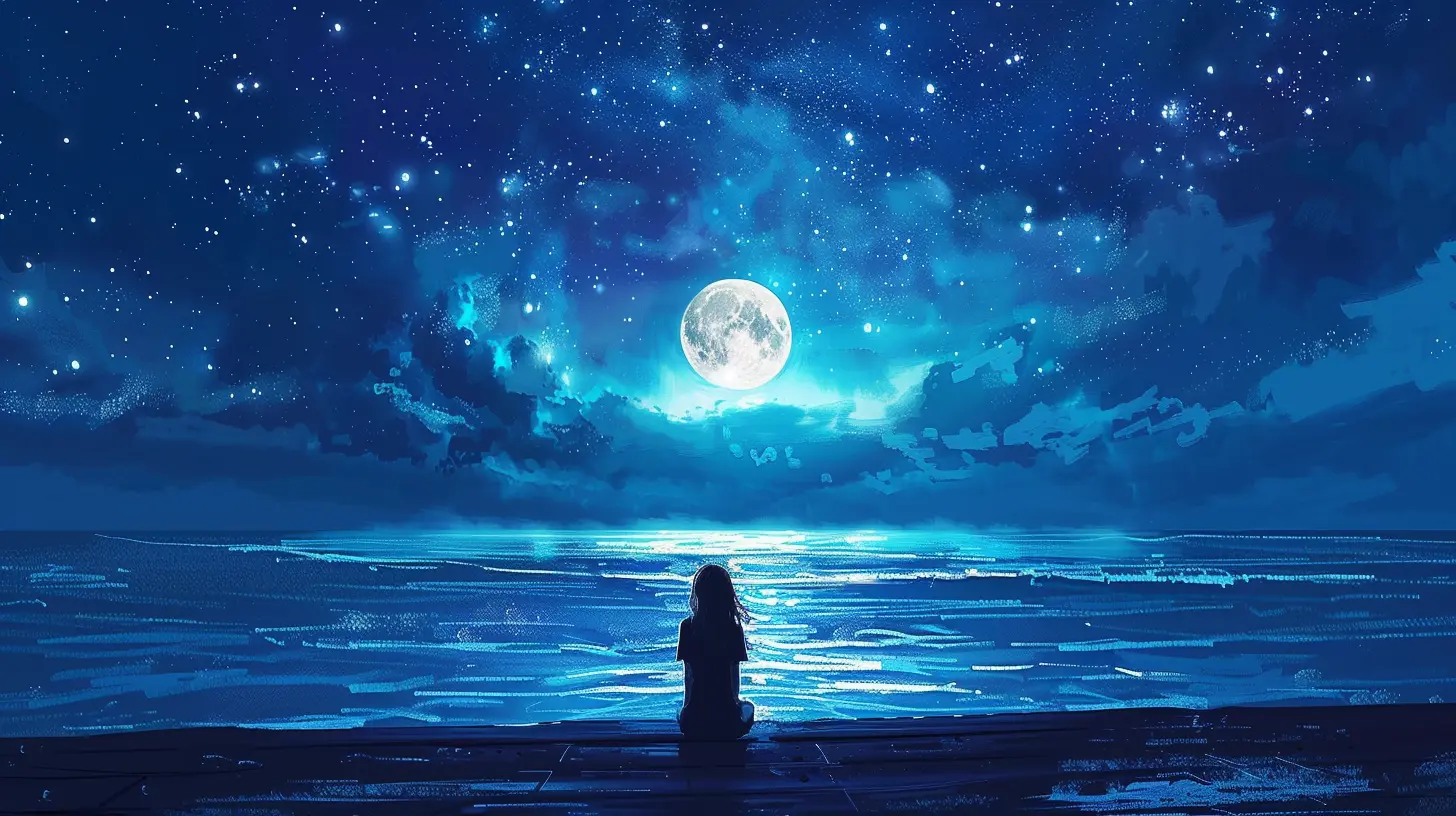
Why Stargazing is the Ultimate Travel Experience
Before we jump into the where, let’s talk about the why. Stargazing is more than just a pretty view. It’s humbling. It makes you feel small—in a good way. It gets you off your phone, off the grid, and lets you slow down for once.You don’t need to be an astronomer to enjoy it either. Whether you can point out constellations by name or you just like the way stars sparkle, everyone can appreciate a stunning night sky. Plus, it’s one of the few travel adventures that costs literally nothing once you get there.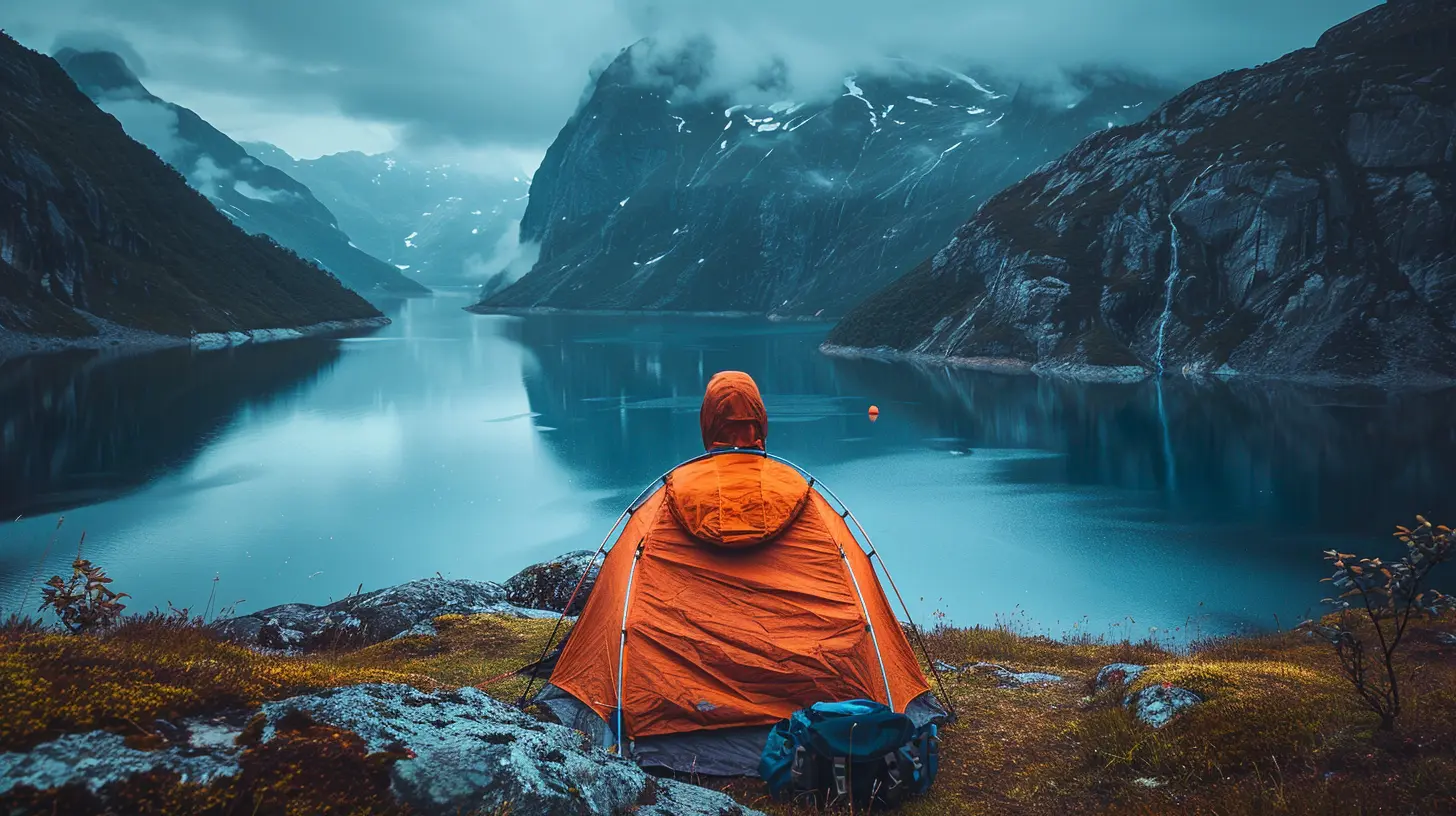
What Makes a Place Great for Stargazing?
Not all night skies are created equal. Here’s what separates a meh location from a mind-blowing one:- Low Light Pollution: The darker the area, the better. Cities are a no-go.
- High Altitude: The higher you are, the thinner the atmosphere—which means a clearer view.
- Clear Skies: You want minimal cloud cover and dry air.
- Accessibility: Because what’s the fun if you can’t actually get there?
Now that we’ve covered the essentials, let’s get to the good stuff—the world’s best places to stargaze.
1. Mauna Kea, Hawaii – Stargazing in the Clouds
Ever wanted to watch the stars from above the clouds? Mauna Kea is your place. This dormant volcano stands at over 13,000 feet, making it one of the highest points in the Pacific. The altitude, dry atmosphere, and distance from city lights make it one of the best (and most famous) stargazing sites on the planet.It’s so good, in fact, that 13 international observatories sit atop the summit. That’s science’s way of saying: this place is unbeatable for night skies.
Pro Tip: Visitors aren’t allowed at the summit after dark without a permit, but the Mauna Kea Visitor Information Station (at 9,200 feet) still offers phenomenal views.
2. Jasper National Park, Canada – A Dark Sky Wonderland
Tucked away in the heart of the Canadian Rockies, Jasper is a designated Dark Sky Preserve—the second-largest in the world. That means it’s legally protected against light pollution, and the stargazing here is off the charts.Each October, the park hosts the Jasper Dark Sky Festival, where you can attend star parties, telescope tours, and even astrophotography workshops.
Cool Bonus: You might get lucky and catch the Northern Lights while you’re at it.
3. Atacama Desert, Chile – Stargazing in the Driest Place on Earth
If the moon had a cousin on Earth, it’d probably be the Atacama Desert. With its bone-dry air, high elevation, and zero light pollution, it’s no surprise that professional astronomers come from all over the world to set up shop here.The European Southern Observatory’s Paranal Observatory is nearby for a reason. But don’t worry—you don’t need to be a pro. Local tour operators give guided night sky tours that blow your mind.
Why It’s Special: You can see stars so clearly here, it feels like they’re close enough to grab.
4. Aoraki Mackenzie, New Zealand – Southern Hemisphere Spotlight
Ever heard of the Aoraki Mackenzie International Dark Sky Reserve? It’s one of the best in the Southern Hemisphere and is home to Mt. Cook (New Zealand’s tallest peak) and Lake Tekapo. The views are so stunning, it kind of feels like nature’s version of IMAX.The Mt. John Observatory offers guided stargazing tours where you can sip hot chocolate while peering through powerful telescopes. You’ll spot constellations visible only in the Southern Hemisphere—and yes, that includes the spectacular Magellanic Clouds.
5. NamibRand Nature Reserve, Namibia – African Skies Unfiltered
Dust off your passport, because Namibia deserves a spot on your list. The NamibRand Nature Reserve is one of the few official Dark Sky Reserves in Africa—and boy, does it show.The sky is so crystal-clear, you’ll see stars you didn’t even know existed. Plus, the dramatic desert landscapes during the day are just as jaw-dropping as the skies at night.
Fun Fact: Local lodges offer “star beds” where you sleep under the open sky. Talk about immersive.
6. Big Bend National Park, Texas – Stars Over the Lone Star State
Texas isn’t just cowboy hats and BBQ. Big Bend National Park is home to some of the darkest skies in the continental U.S. It’s hundreds of miles from major cities, which means almost zero light pollution.Camp under the stars along the Rio Grande or hike up to the South Rim for a panoramic nighttime view that you’ll still be talking about when you get home.
Extra Perk: Park rangers host regular night sky programs, including full moon hikes.
7. La Palma, Canary Islands – Europe's Stargazing Gem
Most people know the Canary Islands for beaches and sunshine—but La Palma is kind of a big deal in the astronomy world. The island has strict light pollution laws and is home to the Roque de los Muchachos Observatory.La Palma is part of the Starlight Reserve network, meaning it’s been certified as one of the best places in the world for stargazing.
Don’t Miss: The “Mirador del Roque” observation deck—perfect for catching shooting stars.
8. Death Valley National Park, California – Stars in the Silence
There’s something hauntingly beautiful about Death Valley. It’s harsh, silent, and almost spooky in its stillness—which, somehow, makes the stars shine even brighter. As one of the largest Dark Sky Parks in the U.S., it’s perfect for those who want to get seriously off the grid.The clear nights, wide-open space, and minimal human interruption make for an unforgettable celestial experience.
Pro Tip: Visit in winter or early spring—temperatures are cooler and the skies are just as stunning.
9. Galloway Forest Park, Scotland – A Sleeper Hit for Stargazing
You probably don’t think of Scotland when you think of stars, right? Well, think again. Galloway Forest Park is one of the UK’s few Dark Sky Parks, and when the clouds clear (yep, weather can be a gamble), you get some of the best night sky views in Europe.It’s got a certain moody, ethereal vibe that turns stargazing into something straight out of a fantasy novel.
Star Traveler Tip: Bring a thermos and some cozy layers—it gets chilly, even in summer.
10. Uluru, Australia – Ancient Rock Meets Ancient Skies
If you're heading Down Under, don't skip Uluru. During the day, it's a spiritual and cultural icon; at night, it transforms into a stargazer's dream. With barely any nearby light sources and the vast, open Outback sky, you get front-row seats to the Milky Way.Local Indigenous guides share their own stories about the stars, weaving culture and science together in a way that gives you chills—in the best way.
Must Try: “Sounds of Silence” dinner experience under the stars. Gourmet food + galaxies = yes, please.
Tips for First-Time Stargazers
If you're new to the stargazing game, here are a few quick tips to get the most out of your trip:- Check the Moon Phase: A full moon will outshine most stars. Aim for a new moon.
- Bring Binoculars: They’re a great budget-friendly alternative to telescopes.
- Dress Warm: Even deserts get cold at night.
- App Up: Star maps or stargazing apps help you identify constellations on the fly.
- Stay Patient: Let your eyes adjust to the dark—give it at least 20 minutes.
Let the Stars Be Your Guide
So there you have it—10 of the most jaw-dropping, soul-stirring, star-filled corners of the Earth. Whether you’re chasing the Northern Lights or camping under the Southern Cross, the stars are waiting.We spend so much time looking down—at our screens, our feet, our to-do lists. Every once in a while, it’s worth looking up. Because the night sky? It doesn’t just sparkle—it reminds us of something bigger.
So where will you go for your next starry escape?
all images in this post were generated using AI tools
Category:
Travel InspirationAuthor:

Taylor McDowell
Discussion
rate this article
2 comments
Laura McCarty
For unforgettable stargazing, consider heading to national parks like Death Valley or Big Bend, where light pollution is minimal. Remember to bring a telescope or binoculars for a closer look at celestial wonders, and check moon phases for optimal visibility. Don’t forget your cozy blanket! Happy stargazing!
December 5, 2025 at 4:21 AM
Taylor McDowell
Great tips! National parks are indeed perfect for stargazing—I'll be sure to highlight those spots and the importance of checking moon phases in the article. Happy stargazing!
Zephyris Kirkpatrick
Great recommendations! Can't wait to explore these stunning skies!
December 4, 2025 at 5:01 AM
Taylor McDowell
Thank you! I'm glad you found the recommendations helpful. Enjoy your stargazing adventures! 🌌✨