Street Art Meets Galleries: Blurring the Lines Between Public and Private Art Spaces
22 March 2026
Street art and galleries—two worlds that used to be light-years apart. One thrives in the open air, free and untamed, while the other is carefully curated, housed within four pristine walls. But what happens when these two collide? Welcome to the era where street art meets galleries, redefining what art is, where it belongs, and who gets to see it.
The Evolution of Street Art: From Vandalism to High Art
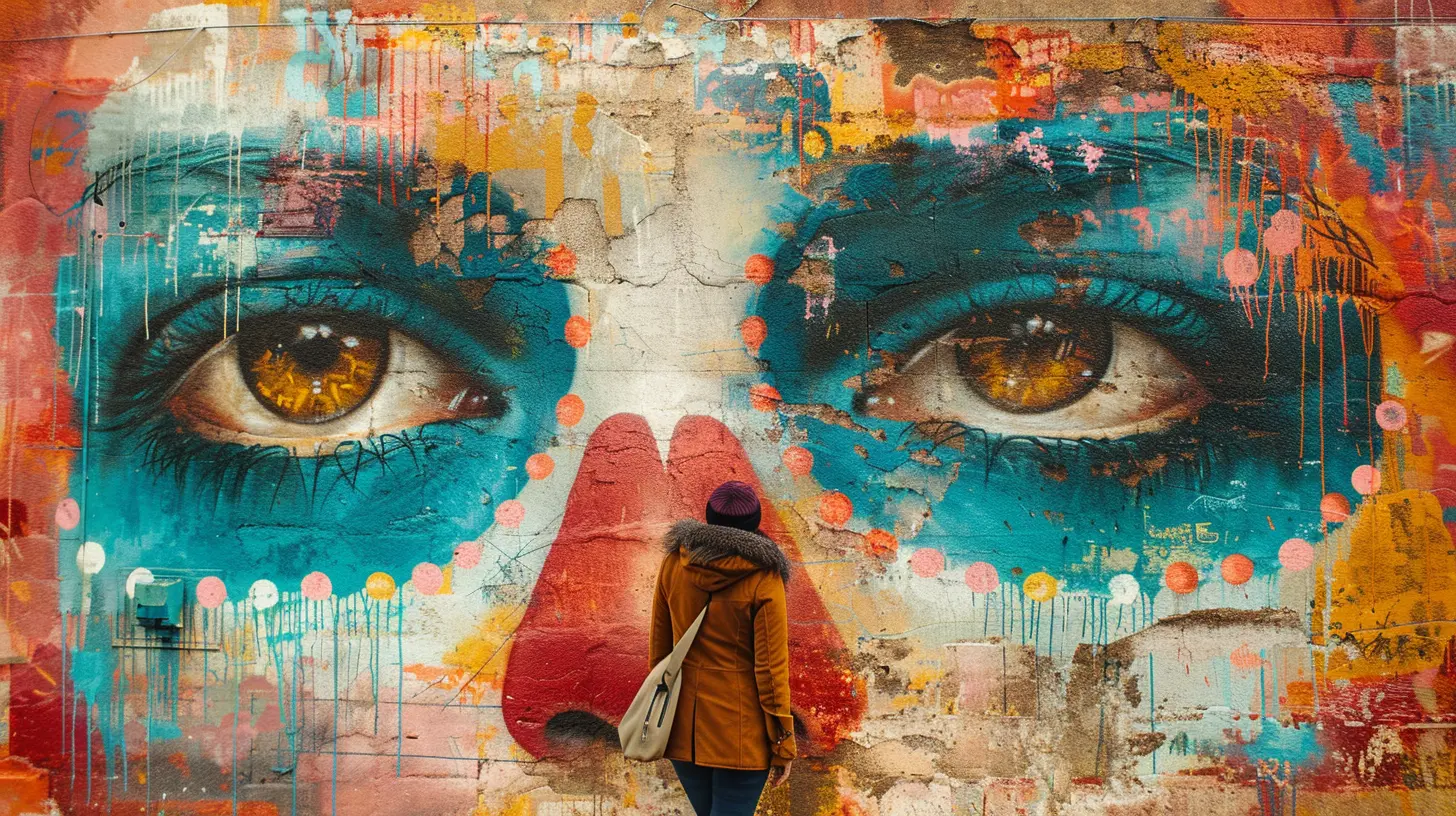
Not too long ago, street art was dismissed as vandalism. A rebellious act, often painted in the dead of night, only to be scrubbed off the next morning. Think back to the days when graffiti was synonymous with crime. Fast forward to today, and those same street artists are being commissioned by luxury brands, their works selling for millions in prestigious art auctions.Banksy, Shepard Fairey, JR—these names have elevated street art into something more than just spray paint on a brick wall. They’ve blurred the once rigid lines between what’s considered “real art” and what’s simply an act of rebellion.
Galleries Embracing the Grit of the Streets
It’s no secret that art galleries are shifting. Gone are the days when they only showcased dainty oil paintings in gold frames. Now, they’re welcoming the raw, untamed energy of street art, bringing in massive murals, graffiti, and mixed-media works that once lived solely in alleyways.Why? Because street art is powerful. It tells real stories, connects with the masses, and isn’t confined by rules. It’s unapologetic creativity at its finest. And let’s be honest—people love it. As a result, galleries are starting to integrate urban art into their exhibitions, giving street artists a platform they’ve never had before.
When Public Art Enters Private Spaces
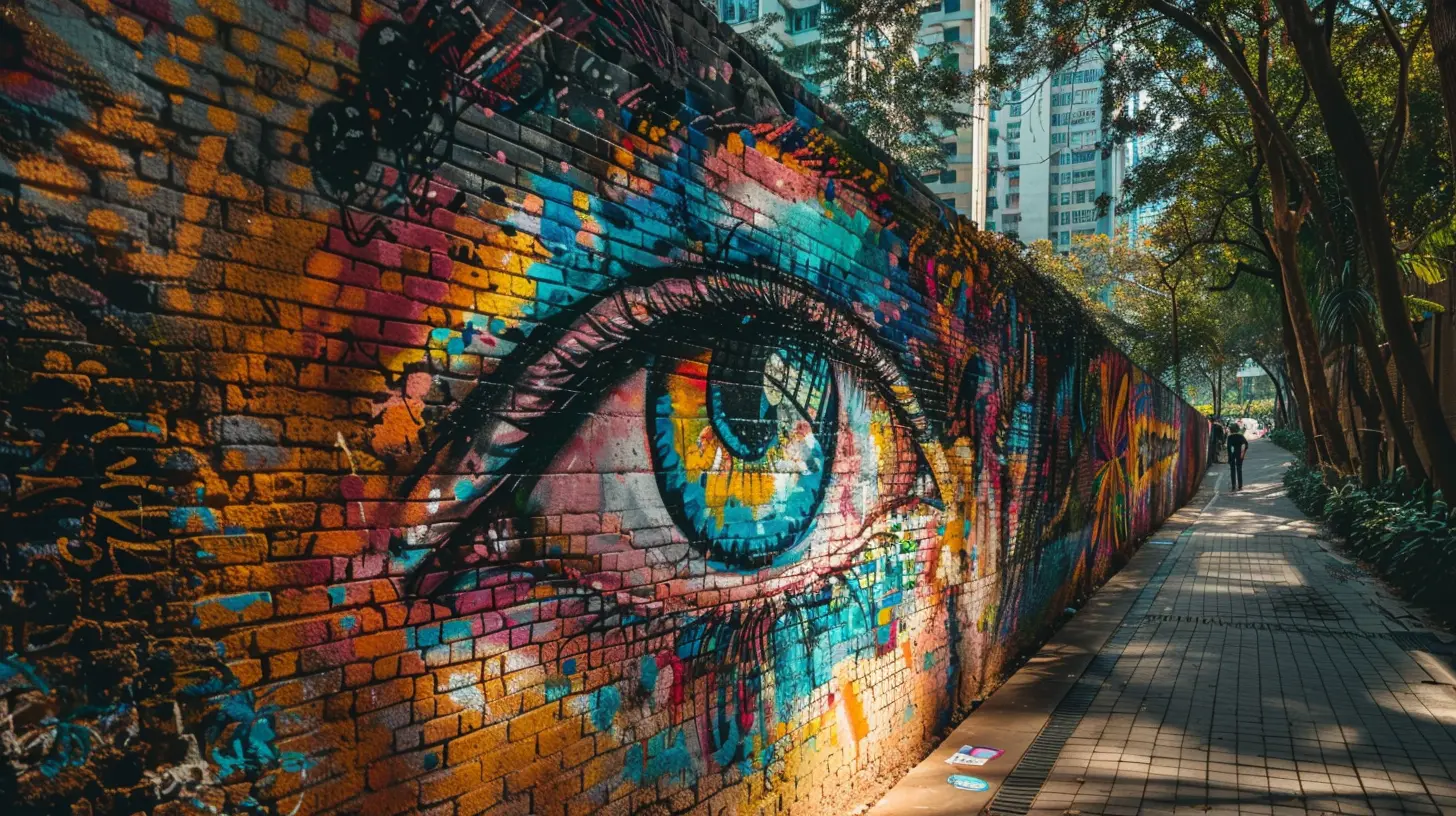
One of the strangest yet most fascinating trends is seeing pieces of urban art being physically moved from outdoor spaces into galleries. Sometimes it’s an entire mural cut from a wall and mounted on canvas. Other times, it’s an installation that mimics street elements—concrete textures, neon lights, even a chunk of a sidewalk—all transported indoors.This raises an interesting question: does the energy of street art stay the same once it’s taken away from its original setting? Some argue that context is everything. A graffiti-covered wall tells a different story when it’s in an abandoned alleyway versus when it’s sitting under perfect gallery lighting. But others believe that moving it indoors gives it longevity, preserving its message before weather and the city’s cleanup crew erase it for good.
Pop-Up Exhibitions and Interactive Street Art Events
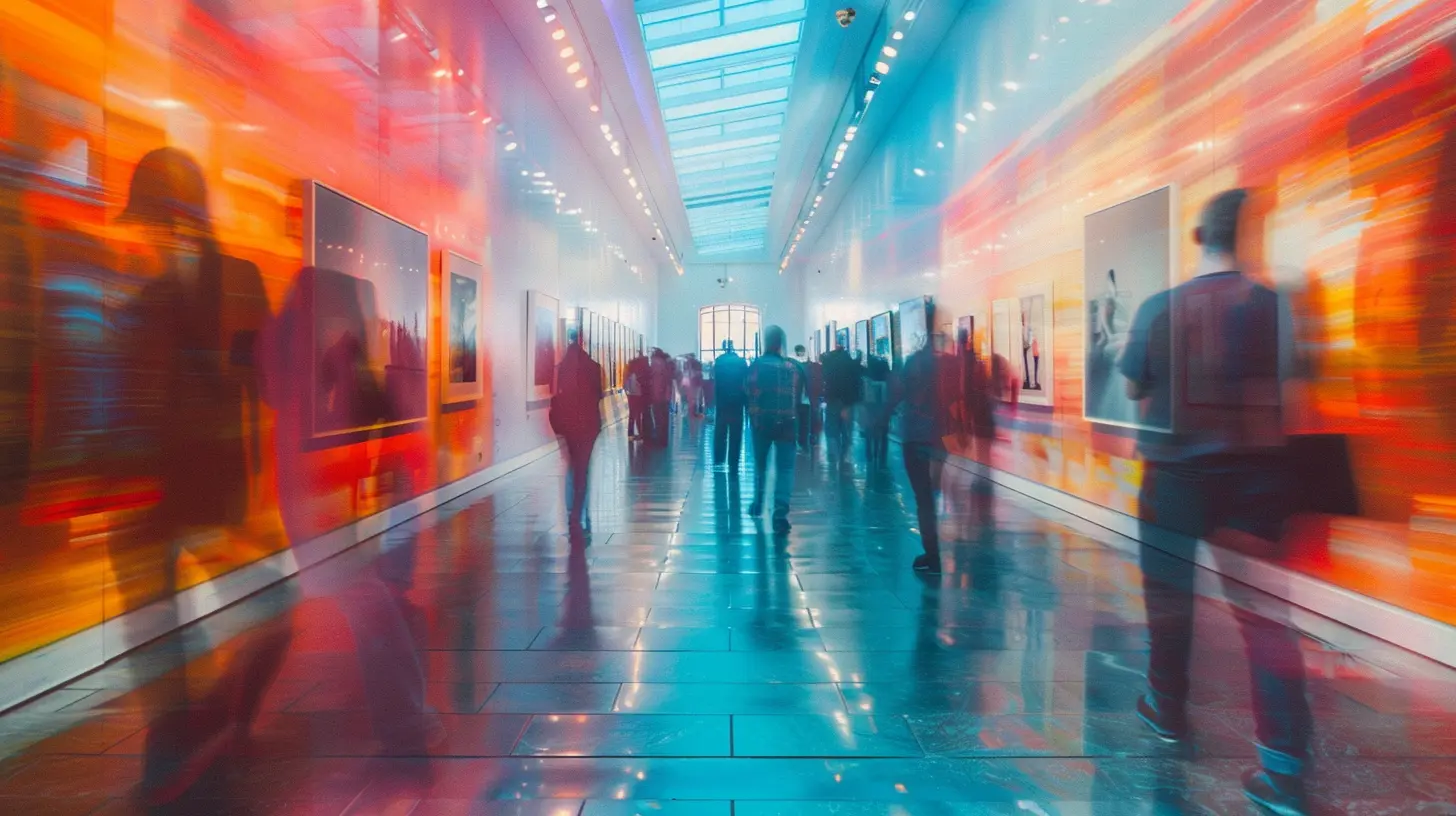
To bridge the gap even further, galleries and museums are embracing pop-up exhibitions that bring the street inside. Picture this: an art show where walls are covered in large-scale graffiti, visitors walk through immersive urban scenes, and artists create live pieces before your eyes—no security guards stopping them!Interactive street art events are also rising in popularity. Visitors are encouraged to contribute, making them part of the creative process. Whether it’s leaving behind a tag on a public wall or painting alongside a renowned street artist, these experiences prove that art doesn’t have to be limited to observation—it can be participation.
The Commercialization of Street Art: Boon or Bane?
Let’s talk about the elephant in the room: money. With street art gaining fame, it’s also gaining a hefty price tag. Major corporations now collaborate with graffiti artists, using their edgy aesthetic for marketing campaigns, product designs, and brand logos. What does this mean for the art itself?On one hand, this commercial appeal helps street artists build sustainable careers, gaining recognition they might never have found otherwise. But on the flip side, some fear that the raw essence of street art—a form of self-expression born out of rebellion—is being diluted by mainstream acceptance and consumerism.
When a Banksy piece washes up in a high-end auction house, is it still street art? Or has it become something else entirely?
Where Do We Go from Here?
The line between public and private art spaces is no longer as clear as it once was. What started on subway cars and city walls is now making its way into the world’s most respected galleries. We’re witnessing a fusion of artistic worlds—where one complements, rather than competes with, the other.The future of street art is exciting and unpredictable. Will it continue to push boundaries, or will it settle into its newfound commercial success? One thing’s for sure: street art, whether in a gallery or on a crumbling city wall, will always find a way to tell its story. And that’s what makes it so powerful.
all images in this post were generated using AI tools
Category:
Museums And GalleriesAuthor:

Taylor McDowell
Discussion
rate this article
2 comments
Andrew Hill
What a fantastic exploration of the evolving relationship between street art and galleries! It's inspiring to see how these vibrant expressions can coexist and enrich our urban landscapes. This fusion truly demonstrates the beauty of creativity breaking boundaries. Keep shining a light on art!
April 11, 2026 at 2:27 AM
Taylor McDowell
Thank you! I'm glad you found the exploration inspiring. It really is amazing how street art and galleries can complement each other and enhance our cities.
Kinsley Rogers
Why did the mural refuse to hang out in the gallery? Because it didn’t want to be framed! This article beautifully captures how street art and galleries are like best friends, playfully merging in the colorful chaos of creativity. 🎨✨
March 30, 2026 at 3:07 AM
Taylor McDowell
Thank you! I'm glad you enjoyed the playful exploration of how street art and galleries creatively intertwine. Your comment perfectly captures that spirit! 🎨✨