The Blend of Tradition and Innovation in Asian Art Galleries
28 June 2026
Asian art has always been a mesmerizing reflection of cultural heritage, spirituality, and history. But today, it's undergoing a fascinating transformation. From ancient scrolls to digital masterpieces, Asian art galleries are seamlessly blending age-old traditions with modern innovation.
What makes these galleries so special? Why do they captivate art lovers worldwide? Let’s take a deep dive into how tradition and innovation coexist in these artistic spaces, creating a unique fusion that keeps the soul of Asian art alive while embracing the future. 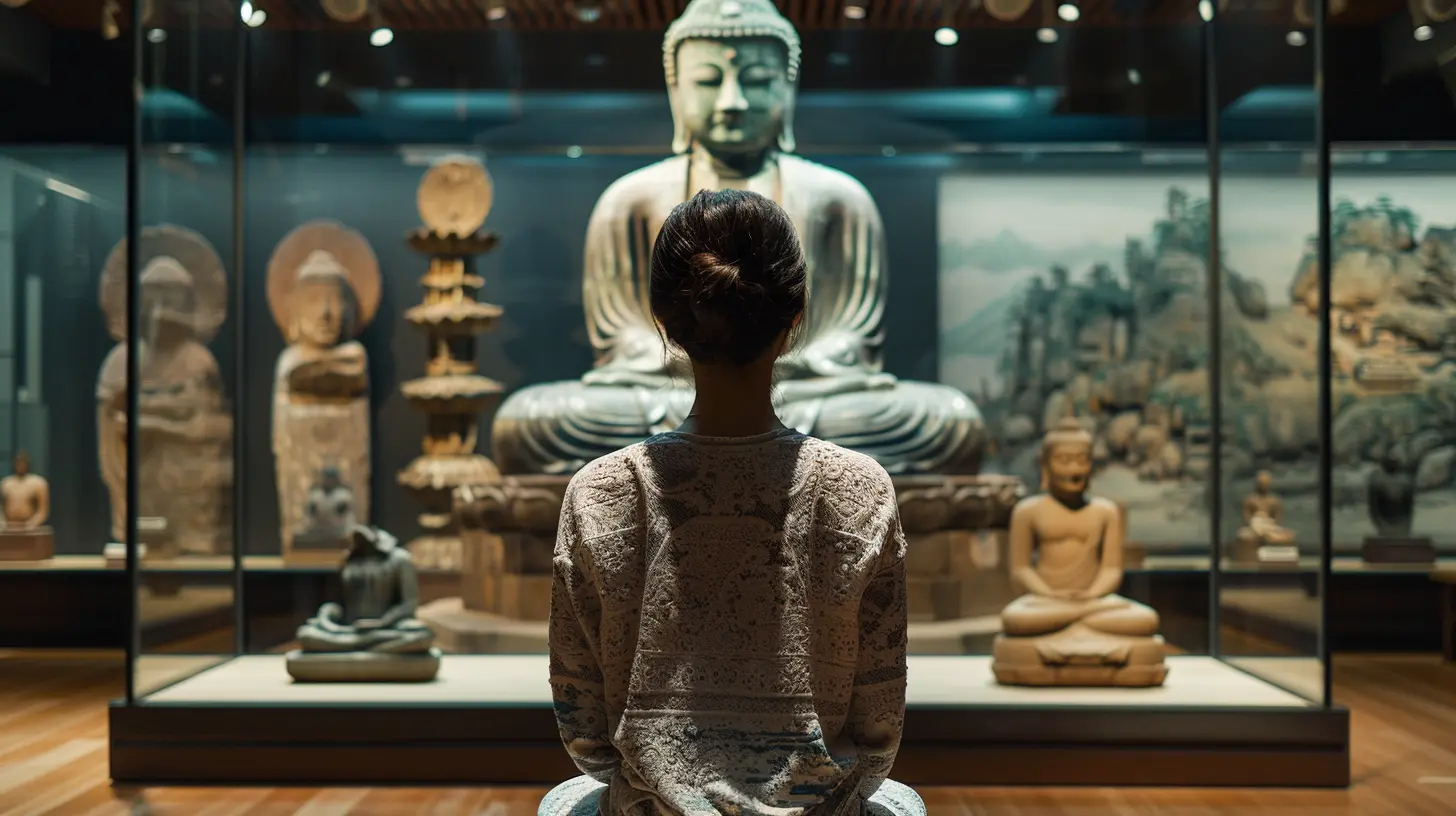
The Timeless Beauty of Traditional Asian Art
Before we talk about modern innovations, let’s take a moment to appreciate the foundation—traditional Asian art. For centuries, artists across Asia have used art to narrate stories, depict religious beliefs, and showcase emotions through intricate forms.Calligraphy & Ink Painting
Chinese and Japanese calligraphy is not just about writing—it’s an art form in itself. Every stroke tells a story, every brush movement conveys emotion. Traditional ink paintings often depict landscapes, animals, and mythical figures, carrying spiritual depth and philosophical meanings.Batik and Textile Art
Across Southeast Asia, textile art, like Indonesia’s batik and India’s silk weaving, has played a crucial role in cultural expression. These patterns and dyeing techniques are passed from generation to generation, preserving centuries-old craftsmanship.Sculptures and Ceramics
From China’s Terracotta Army to Japan's delicate porcelain works, sculptures and ceramics have long been an essential part of Asian artistic heritage. These pieces not only speak of skill and precision but also reflect the cultural and spiritual ethos of the regions they originate from.But here’s the exciting part—while these traditions are deeply rooted in history, they're not stuck in the past. They're evolving in the most fascinating ways. 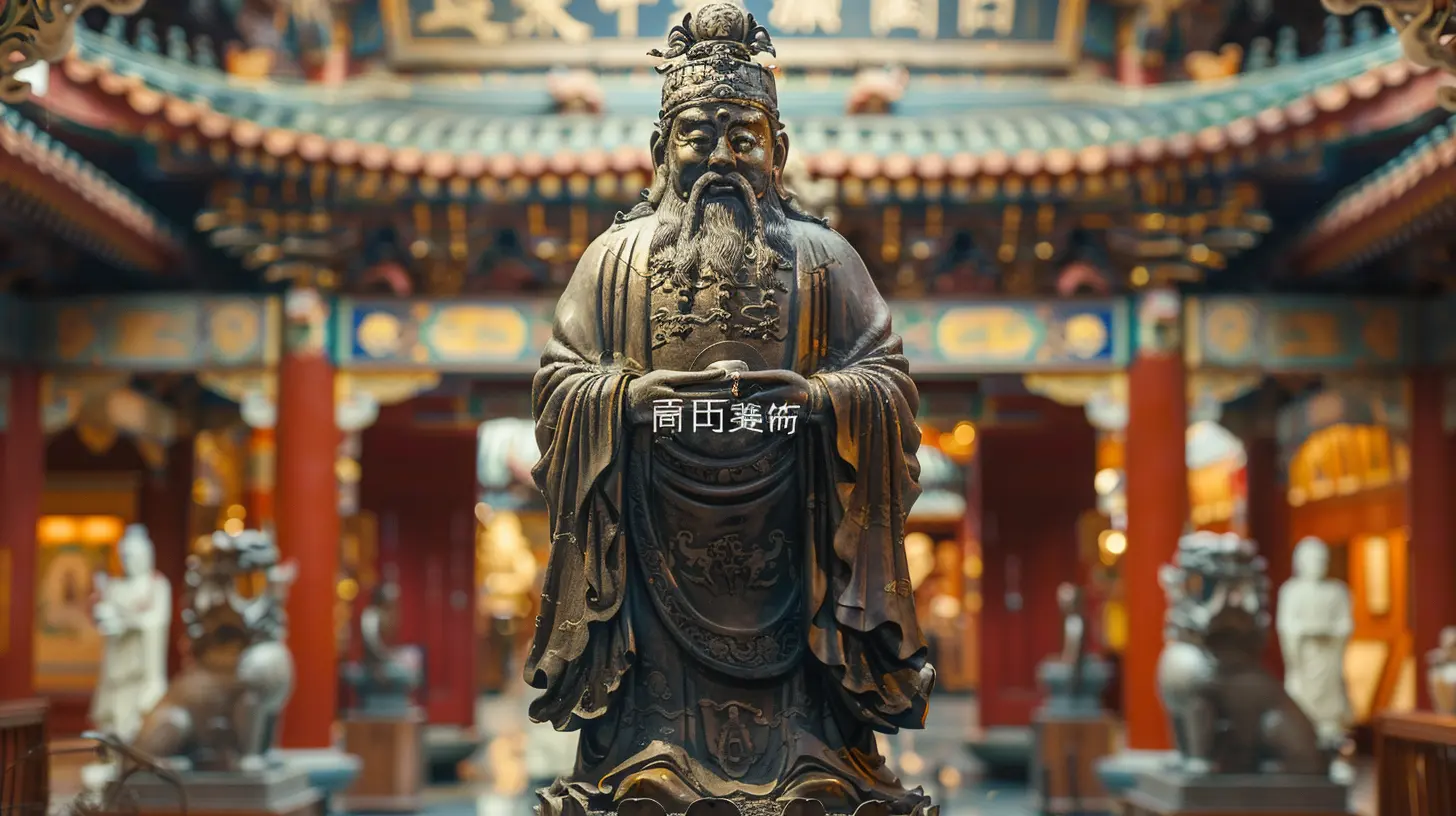
Innovation in Asian Art Galleries
Asia’s art scene is no longer just about historical preservation—it’s about reimagining heritage through contemporary lenses. Art galleries across Asia are embracing modern technology, fusion art, and digital experiences to create an entirely new dimension of artistic appreciation.Digital & Interactive Art Exhibitions
Have you ever walked into an art gallery where the paintings move, react to your presence, or transport you into another world? That’s exactly what’s happening in some of Asia’s most innovative galleries.Take Japan’s teamLab Borderless, for example. This digital art museum in Tokyo is redefining how people interact with art. Instead of static paintings, visitors step into immersive environments where lights, colors, and projections respond to their movements. It’s like stepping into a living painting!
Fusion of Traditional and Contemporary Art
Many modern artists are blending classic Asian techniques with contemporary styles. Take South Korea's Kimsooja, whose textile installations echo the traditional Korean wrapping cloth (bojagi) while encapsulating modern abstract artistry.In China, artists experiment with calligraphy by integrating it into abstract and digital forms, making age-old traditions appear futuristic. Imagine ancient Chinese brush strokes displayed in neon colors on a digital canvas—that’s the kind of fusion that’s taking center stage.
Augmented Reality (AR) & Virtual Reality (VR) Displays
Asian art galleries are also tapping into AR and VR technology. Visitors can wear VR headsets to experience historical artworks coming to life or use smartphone apps to see behind-the-scenes artistic processes. This not only enhances engagement but also makes art accessible to a broader audience.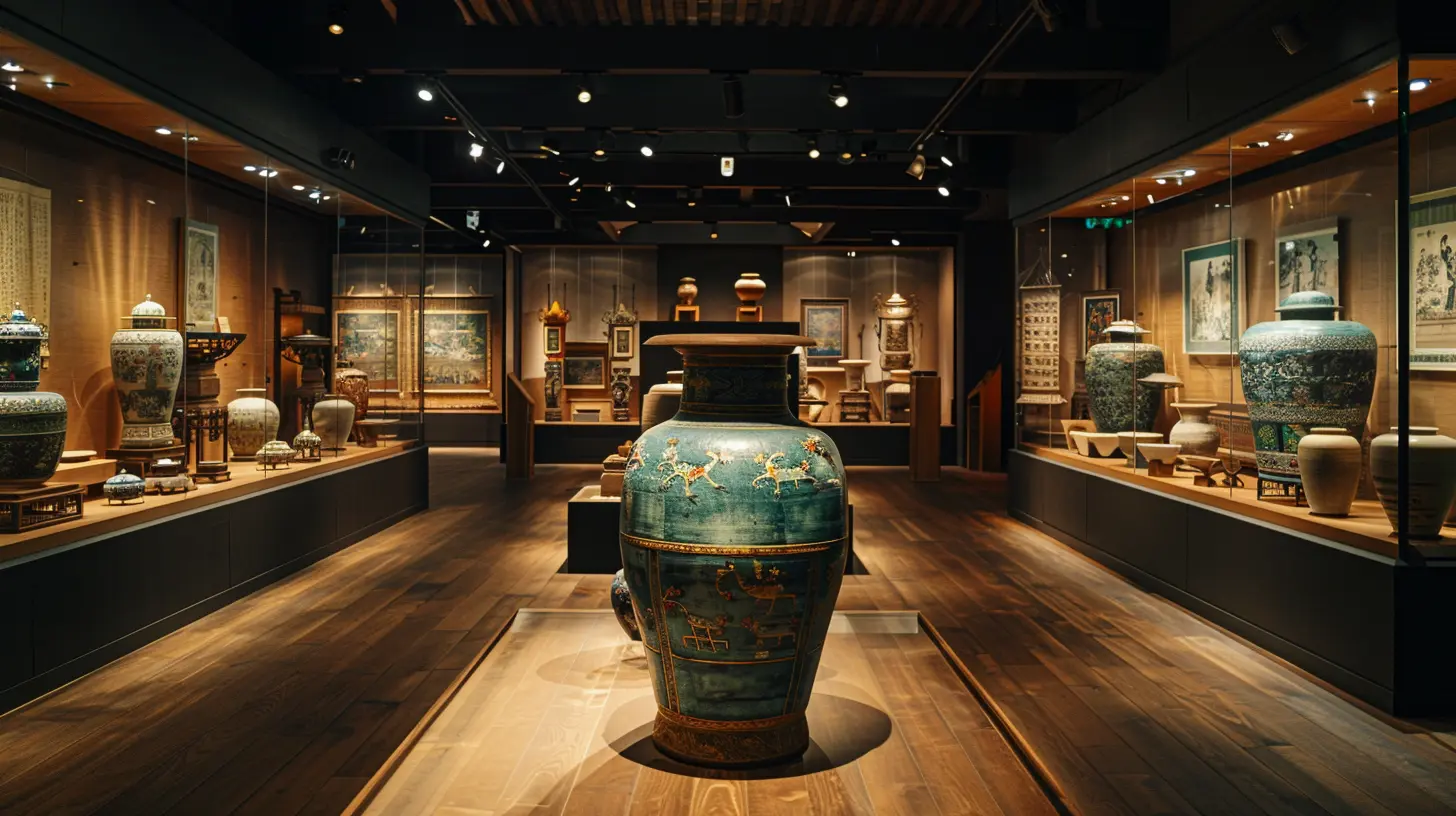
The Rise of Contemporary Asian Artists
The merging of tradition and innovation wouldn’t be possible without the vision of contemporary Asian artists.Takashi Murakami: The Pop Art Powerhouse
Murakami brilliantly fuses Japan’s traditional nihonga painting techniques with contemporary pop art. His colorful, cartoon-style characters have taken the global art world by storm while preserving Japanese motifs and symbolism.Ai Weiwei: Political Commentary Through Art
Ai Weiwei is famous for mixing traditional Chinese materials (such as porcelain) with modern social commentary. His works challenge political and cultural norms while paying homage to traditional craftsmanship.Yayoi Kusama: The Master of Infinity
Kusama’s "Infinity Mirror Rooms" have become a global phenomenon. Drawing from traditional Japanese aesthetics, her art explores repetition, patterns, and sensory illusions in the most mesmerizing way.These artists prove that staying true to heritage while adopting modern techniques doesn’t dilute tradition—it strengthens it. 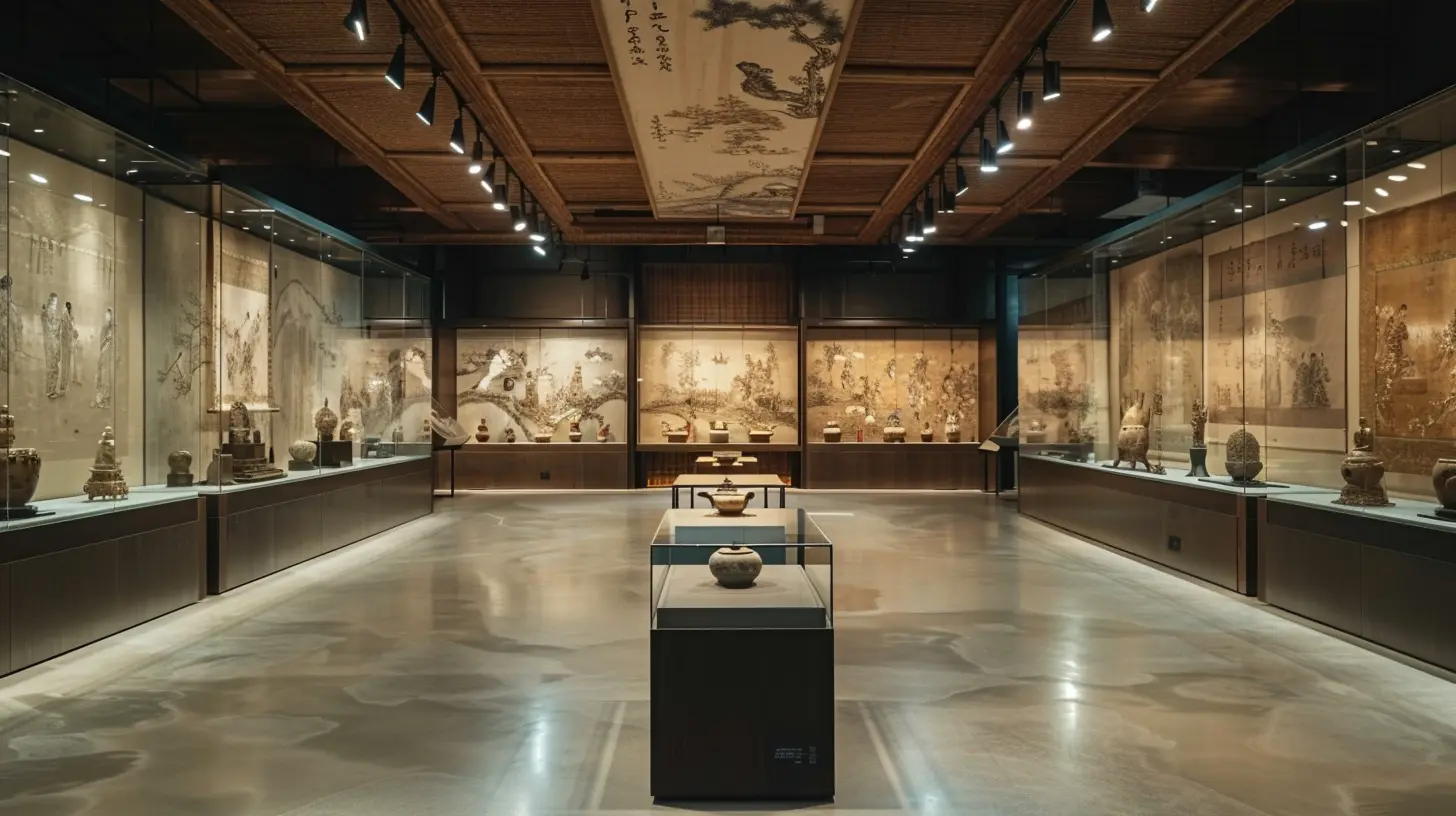
How Asian Art Galleries Preserve Tradition While Embracing Change
Collaborations Between Traditional and Modern Artists
Many galleries now curate exhibitions where traditional artists collaborate with contemporary visionaries. This allows younger audiences to connect with heritage while encouraging seasoned artists to explore new approaches.Residency Programs for Emerging Artists
Art galleries across Asia offer residency programs where young artists can learn age-old techniques from master artisans while incorporating their modern interpretations. This ensures that cultural heritage is passed down while continuously being reinvented.Sustainability and Art
Another emerging trend is the use of eco-friendly materials in contemporary Asian art. Recycled paper, natural dyes, and organic textiles are making their way into galleries, preserving both artistic heritage and environmental responsibility.Must-Visit Asian Art Galleries That Showcase This Fusion
If you’re an art lover, these galleries should be on your bucket list. Each of them beautifully merges tradition with innovation in a way that keeps heritage thriving while embracing modern creativity.1. National Gallery Singapore (Singapore)
Housed in stunning colonial-era buildings, this gallery features both traditional Southeast Asian masterpieces and cutting-edge contemporary works.2. Mori Art Museum (Japan)
Located in Tokyo, this museum showcases how Japanese artists intertwine culture with digital and futuristic elements.3. UCCA Center for Contemporary Art (China)
A hub for contemporary Chinese artists pushing boundaries while incorporating traditional influence.4. Ilham Gallery (Malaysia)
A space dedicated to both historical Malay art and modern experimental works, making it a perfect example of balanced artistic evolution.5. Museum of Modern and Contemporary Art (South Korea)
This Seoul-based art museum is a powerhouse of artistic diversity, blending old Korean aesthetics with cutting-edge innovation.Final Thoughts
Asian art galleries are proof that tradition doesn’t have to fade away with time—it can evolve, adapt, and thrive. By blending centuries-old craftsmanship with modern technology, these artistic spaces create a breathtaking visual and cultural experience.So next time you're in an Asian art gallery, take a moment to appreciate both the past and the future. Because in that very moment, you’re witnessing history and innovation dance together in perfect harmony.
all images in this post were generated using AI tools
Category:
Museums And GalleriesAuthor:

Taylor McDowell
Discussion
rate this article
1 comments
Grant Holland
This article beautifully captures how Asian art galleries seamlessly combine traditional elements with modern creativity. It's inspiring to see how these spaces evolve while honoring their rich heritage. Worth a visit!
August 6, 2026 at 3:40 AM