The Hidden History Behind Abandoned Ghost Towns
12 January 2026
Ever stumbled across a photo of a dusty old western town where tumbleweeds now outnumber people? Or maybe a crumbling village overtaken by nature on some travel Instagram feed? Those are ghost towns — eerie, quiet, frozen in time — each with its own story screaming from silent streets.
But what really happened there? Why were these places abandoned, and who were the people that once called these towns home?
Let’s dive deep into the hidden history behind abandoned ghost towns, peeling back the layers of time to uncover the real reasons behind the rise and fall of these once-bustling communities.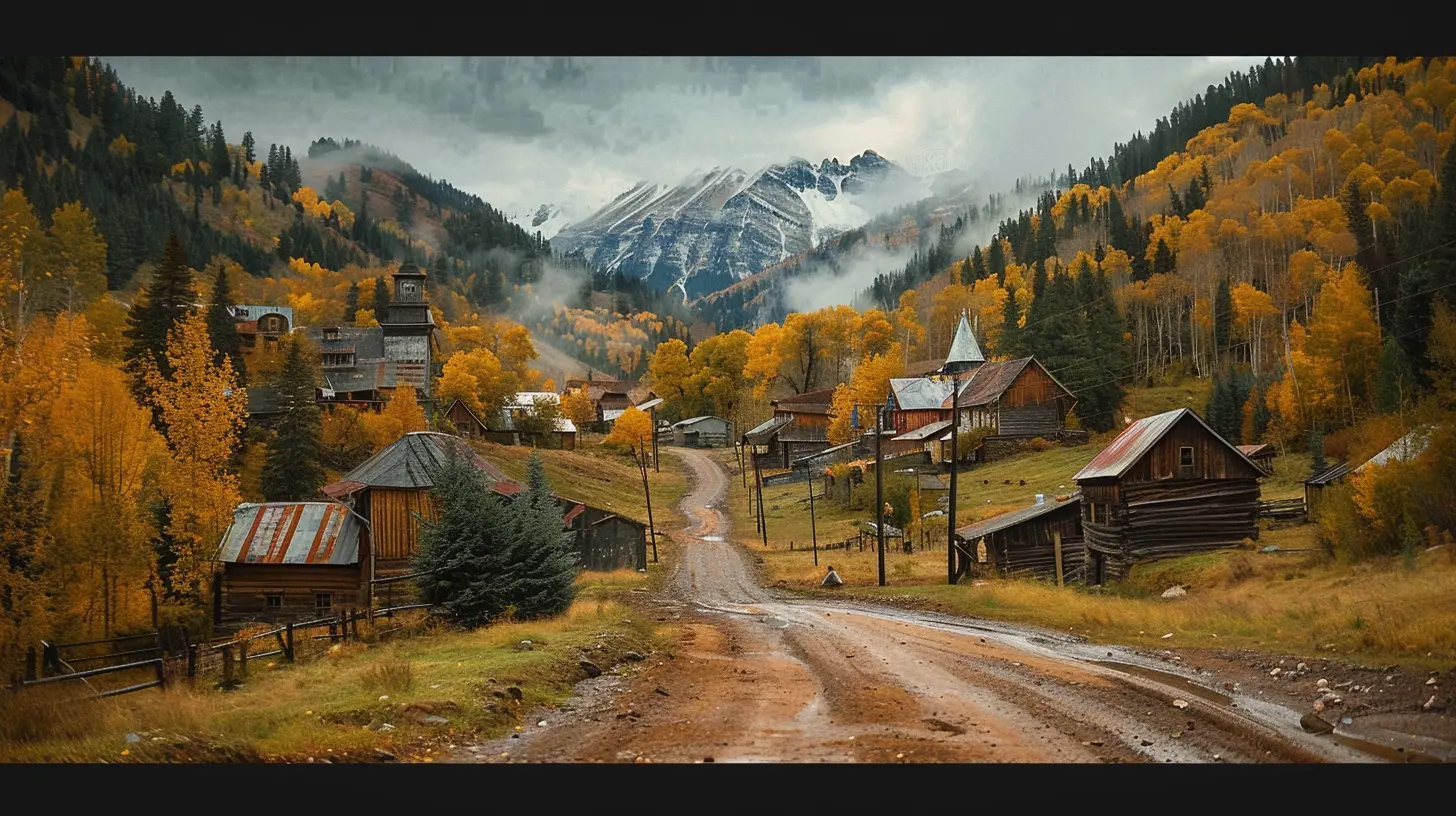
What is a Ghost Town, Anyway?
Before we hit the road (figuratively), let’s get this straight — what classifies a town as a "ghost town"? Is it just a place with no one around? Not exactly.A ghost town is generally defined as a once-populated settlement that has been abandoned and is now largely uninhabited. Some still have a few residents left, while others are completely empty. What they all share is a vibe of isolation, remnants of the past, and that strange magnetism that draws in history lovers, adventurers, and curious travelers.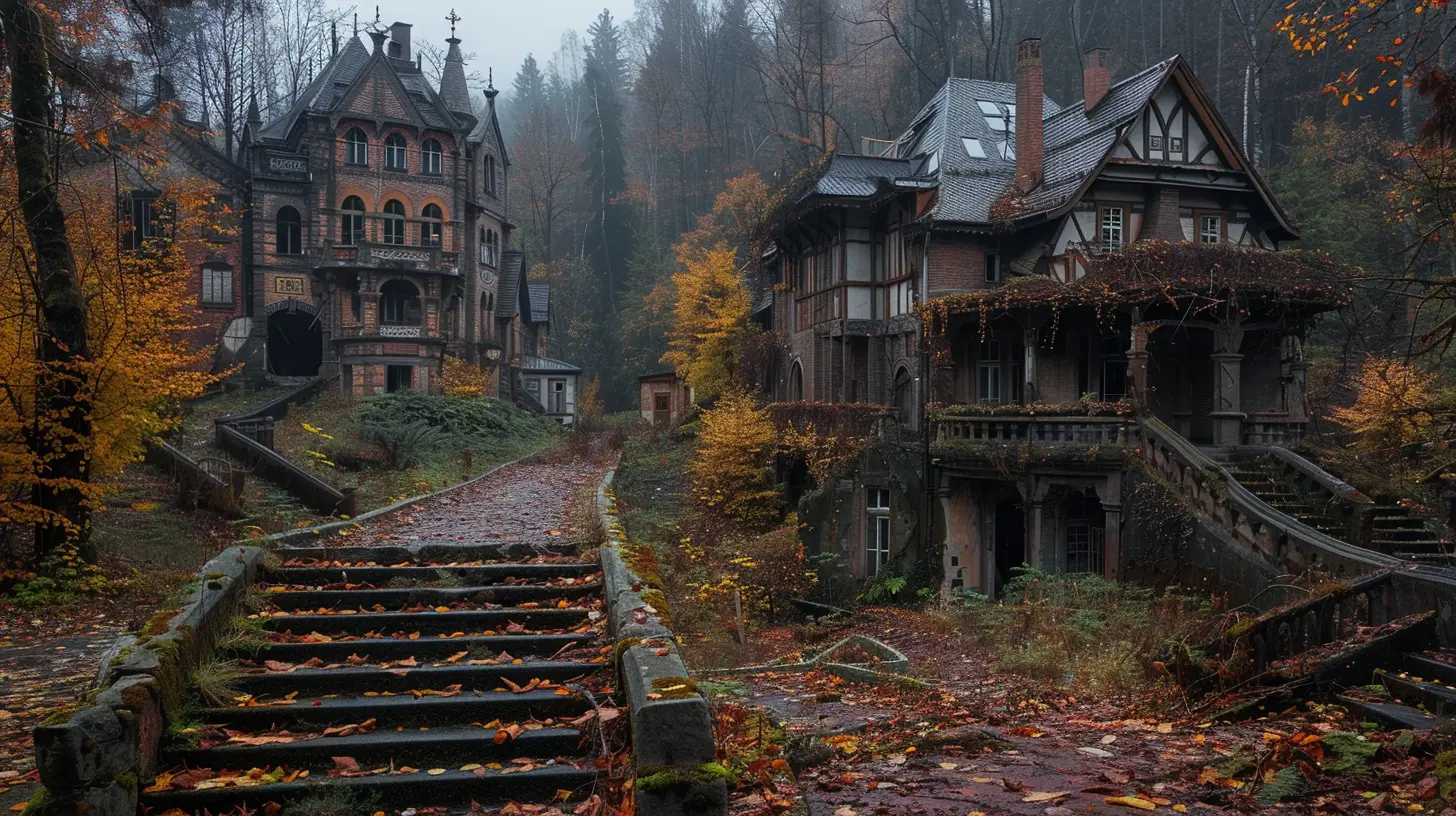
Gold, Greed, and Goodbyes: The Boom-and-Bust Effect
One of the biggest causes behind ghost towns is the classic boom-and-bust cycle. Picture the Wild West in the 1800s: gold is discovered, and suddenly hundreds or even thousands of people rush in, building makeshift homes, saloons, shops, and even schools.Towns like Bodie in California or Rhyolite in Nevada exploded overnight thanks to gold, silver, or other valuable resources. But here’s the catch — the precious goods didn’t last forever.
Once the mines dried up, so did the money. People packed up and left as fast as they came, leaving behind empty homes, broken dreams, and a new ghost town on the map.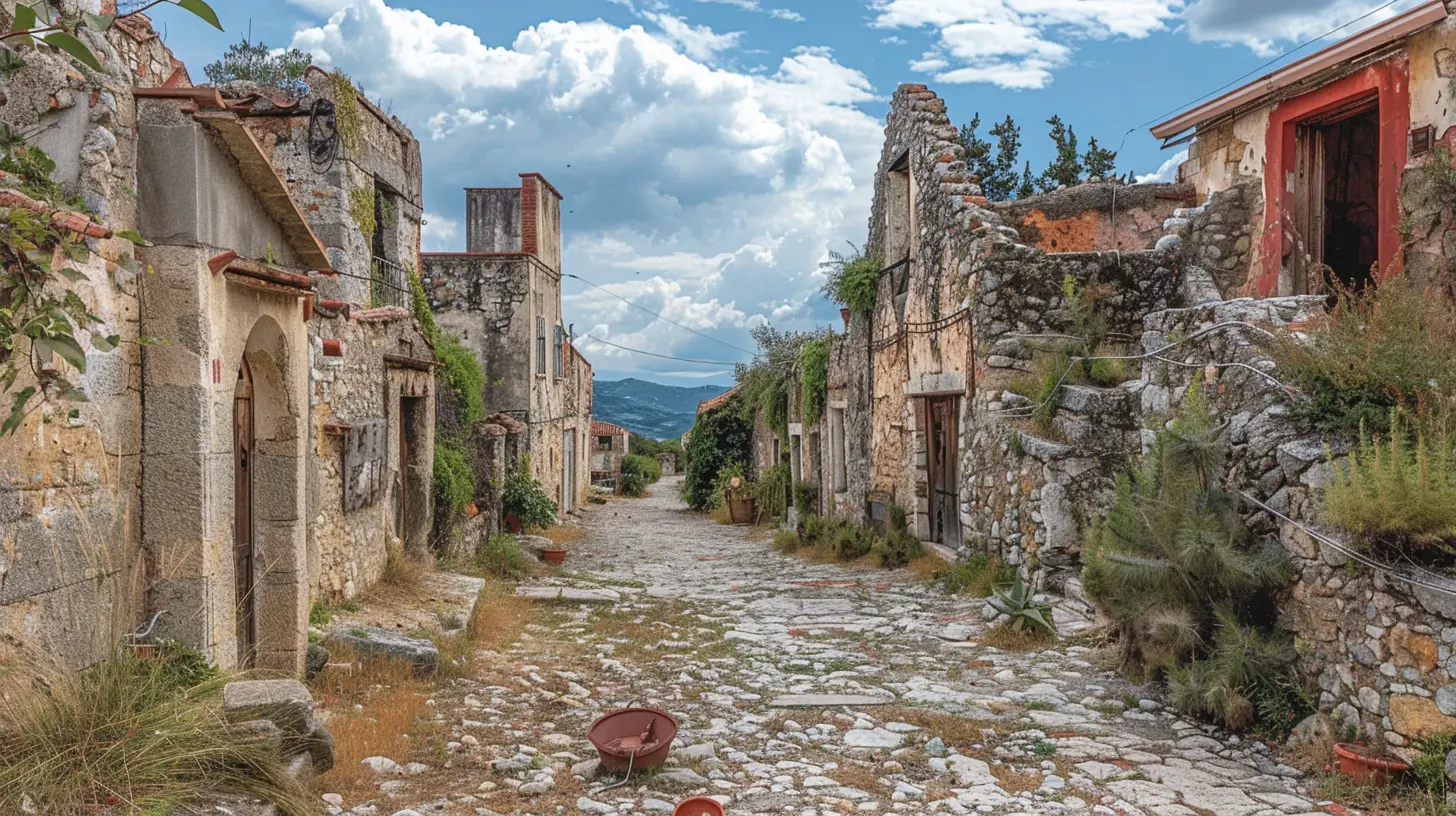
The Railroads Giveth… and Taketh Away
Back in the 19th and early 20th centuries, railroads were the lifeblood of many communities. Entire towns formed around train depots, becoming bustling hubs of trade and travel.But if a railroad changed routes or shut down, it was game over. Towns that were once central suddenly became irrelevant. The population would vanish, businesses would close, and eventually, silence would settle in.
A perfect example? Cisco, Utah — once thriving thanks to the railroad, now just a shell of twisted metal and forgotten buildings.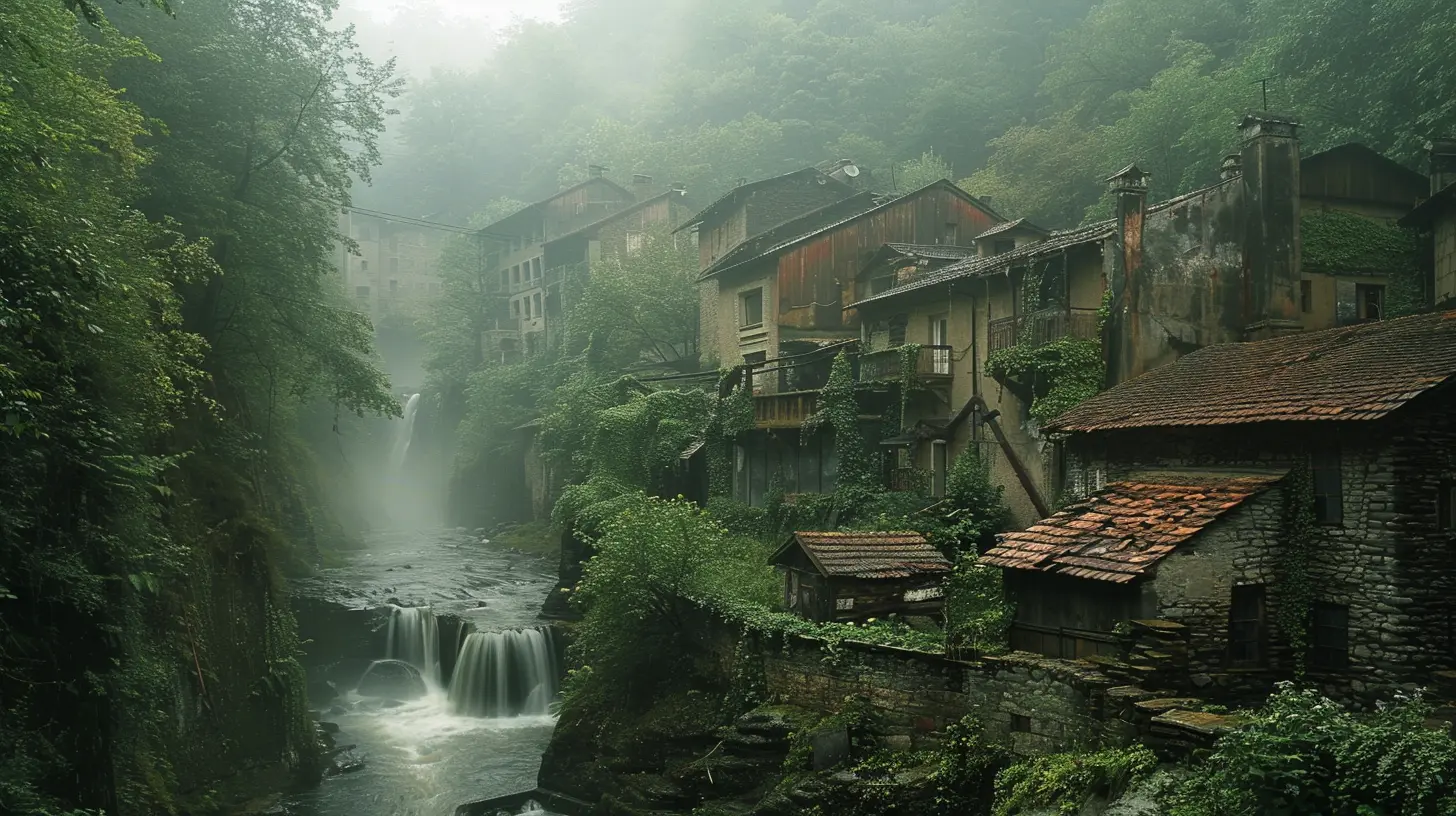
Environmental Disasters and Unlivable Conditions
Sometimes, it wasn’t economics but Mother Nature (or human mismanagement of her) that turned towns into deserted time capsules.Take Centralia, Pennsylvania. It was your average coal town until a fire broke out in an underground mine in 1962. That fire is still burning today — seriously. Toxic gases and sinkholes made the town uninhabitable, forcing nearly everyone to flee.
Or consider Pripyat in Ukraine. The 1986 Chernobyl nuclear disaster turned this Soviet city into one of the most infamous modern ghost towns. Nature moved in where people moved out, giving rise to haunting, post-apocalyptic imagery that fascinates visitors and camera crews alike.
Wars and Conflicts: Ghost Towns in the Crossfire
Wars leave scars, and sometimes, those scars take the shape of abandoned towns. During World War II and other global conflicts, entire villages were evacuated, bombed, or overtaken by enemy forces.Take Oradour-sur-Glane in France. In 1944, the German SS massacred 642 villagers. The French government decided never to rebuild it — instead, they left it untouched as a somber memorial.
These places serve not just as ghost towns but as frozen monuments to human tragedy, reminding us of the price of conflict.
Shifting Economies and Changing Times
Some towns outlived their usefulness. It sounds harsh, but it’s true.Company towns — places built and operated by a single business, like a logging mill, textile plant, or mine — were common across the U.S. and Europe. When the company shut down or moved operations elsewhere, everything fell apart. No jobs meant no reason to stay.
Similarly, advancements in technology or travel can make locations obsolete. Route 66 was once the main artery of American road travel. When the interstate system came along, many towns along the historic highway were left to rot.
Ever heard of Glenrio, straddling the Texas-New Mexico border? It went from a Route 66 hotspot to a ghost town overnight. All it took was a new freeway bypass.
Ghost Towns Being Reclaimed by Nature
There’s something oddly poetic about watching nature swallow what mankind created.In places like Kolmanskop in Namibia, an old diamond mining town, you’ll see sand flowing through the windows, piling up in living rooms and hallways. Trees sprouting through roofs, vines crawling up refrigerators — it’s like the Earth is reminding us who’s boss.
This natural reclaiming doesn’t just make for stunning photographs; it also adds another layer of intrigue. These ghost towns don’t just house human history — they’re also front-row seats to nature’s quiet revenge.
Not All Ghost Towns Stay Dead
Here’s something fascinating: some ghost towns have risen from the ashes — literally and figuratively.Take Jerome, Arizona. Once a thriving copper mining town, Jerome was nearly empty by the 1950s. But artists and entrepreneurs saw potential. Today, it’s a quirky tourist hotspot, full of galleries, wine bars, and history tours. A ghost town turned bohemian escape.
Similarly, Garnet, Montana has become a carefully preserved slice of Old West history. It’s eerily quiet in the winter but draws visitors in droves during the summer.
So yeah, some ghost towns get a second act. They may not return to their former glory, but they carve out a new identity — and sometimes, a new economy based on tourism.
Why Are We So Obsessed with Ghost Towns?
Let’s be honest — part of the allure is the spookiness. Empty streets, creaky doors, rusted signs blowing in the wind. It's like walking through history with a side of goosebumps.But it's more than just spine-tingling vibes. Ghost towns feel like time capsules. They're untouched remnants of a specific moment in history. No filters, no edits — just raw, real life, left to erode.
They also spark our imagination. Who lived here? What were their hopes, their routines, their regrets? Why did they leave? And what would you do if you were suddenly the last person in your town?
It’s both humbling and empowering.
Tips for Visiting Ghost Towns (Without Becoming the Next Ghost)
Thinking about adding a ghost town to your next travel bucket list? Awesome — just be smart about it.Here are a few quick tips:
- Do your research first: Some ghost towns are on private land or require permits.
- Watch your step: Old structures can be unstable. Those falling-down buildings are beautiful — but also dangerous.
- Pack water and supplies: Many of these places are remote, with no stores or cell service.
- Respect the environment and the history: Don’t take "souvenirs" or deface anything. Leave it how you found it.
Bonus tip? Bring a camera — the lighting and atmosphere are usually incredible.
Famous Ghost Towns Around the World
Want to build your ghost town travel wishlist? Here are some must-see eerie destinations:1. Bodie, California (USA)
One of the best-preserved gold-mining towns in America. It's like walking into the 1800s.2. Hashima Island (Japan)
An abandoned coal-mining facility on a concrete island. Looks like something out of a sci-fi movie.3. Pripyat (Ukraine)
The infamous town left behind after the Chernobyl disaster. Utterly haunting.4. Craco (Italy)
A medieval town abandoned due to landslides. The ruins are cinematic — literally. It’s been in movies!5. Kayaköy (Turkey)
A Greek Christian village deserted during a population exchange in the 1920s. Peaceful and poignant.Final Thoughts: More Than Just Empty Streets
Ghost towns aren’t just abandoned buildings or spooky sites. They’re stories — unfinished ones. They are echoes of human ambition, mistakes, resilience, and change. Every broken window or toppled signpost carries a memory of someone who once lived, laughed, and dreamed there.Whether you visit for the history, the mystery, or the photography, one thing is certain — ghost towns make you think. Not just about the past, but about what we leave behind.
So next time you pass a crumbling house in the middle of nowhere, ask yourself: what was it like when this place was alive?
all images in this post were generated using AI tools
Category:
Hidden GemsAuthor:

Taylor McDowell
Discussion
rate this article
2 comments
Lysara McMaster
Unearthing past tales enriches travel experiences.
January 27, 2026 at 4:19 PM
Taylor McDowell
Absolutely! Exploring the stories of abandoned ghost towns adds depth to our journeys, transforming mere visits into immersive experiences filled with history and intrigue.
Paul Jimenez
Exploring abandoned ghost towns reveals captivating stories and forgotten beauty—it's like stepping into a time capsule of adventure!
January 15, 2026 at 4:32 AM
Taylor McDowell
Absolutely! Each ghost town holds unique tales and a glimpse into the past, making exploration both thrilling and insightful.