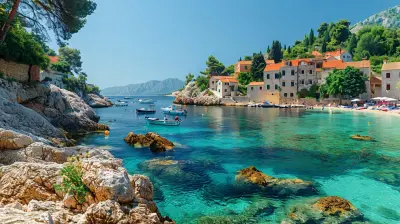
The Renaissance Revisited: Exploring Italy's Iconic Art Museums
1 April 2026
Ah, Italy—the land of pasta, vino, and enough jaw-dropping art to make even the most uncultured tourist feel like an expert. If you think the Renaissance was just an era of fancy paintings and sculptures, think again. It was a full-blown artistic revolution, and lucky for us, Italy kept all the receipts.
So, let’s embark on a lighthearted yet semi-educational journey through some of Italy’s most iconic art museums. Warning: excessive exposure to beauty may result in spontaneous artistic urges or a sudden need to book a one-way ticket to Florence.
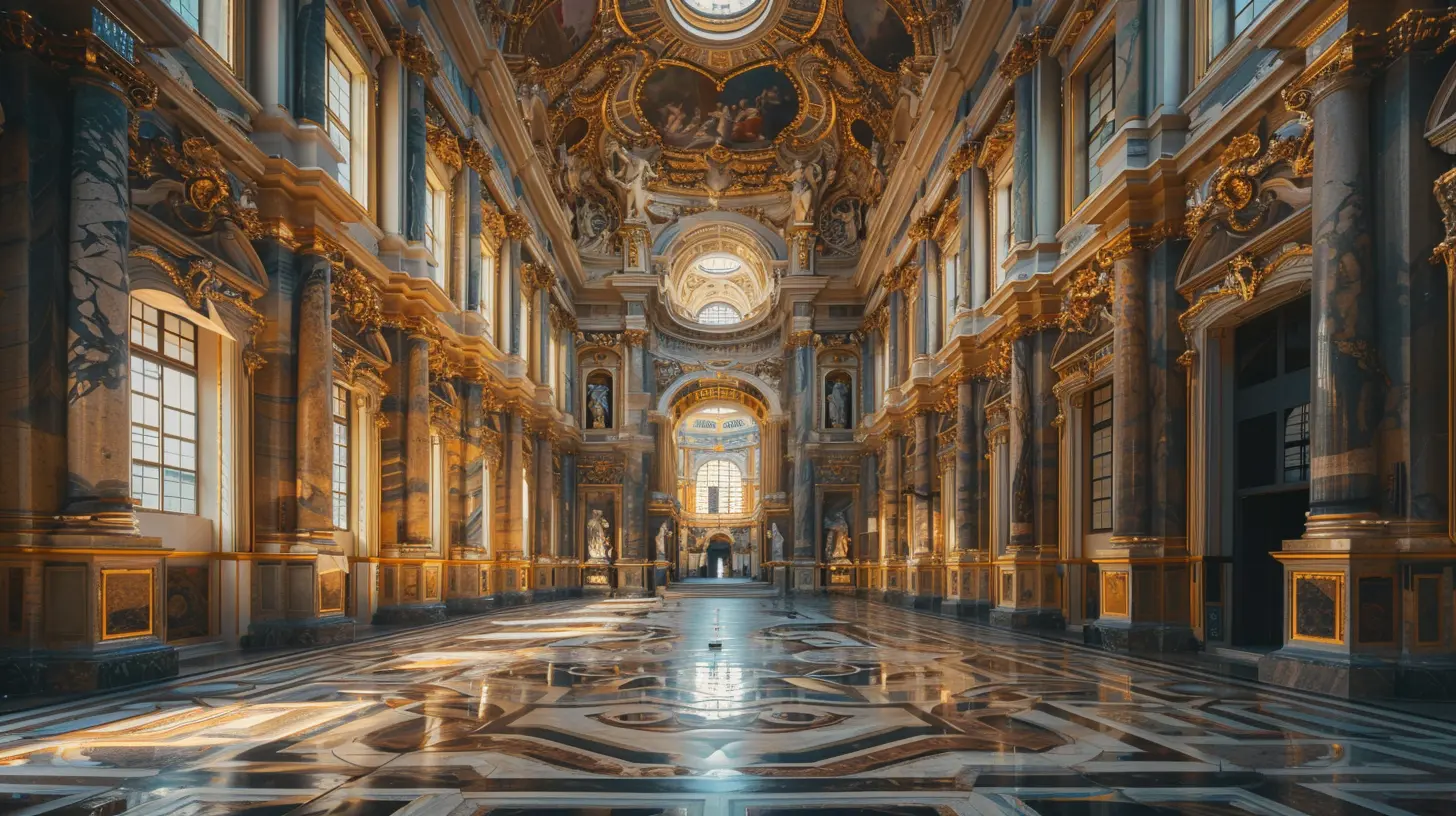
Florence: The Beating Heart of the Renaissance
Florence isn’t just a city; it’s a living, breathing Renaissance masterpiece. You could walk blindfolded and still bump into something historically significant. But let’s narrow it down to two of the biggest heavyweights in the art world.The Uffizi Gallery: Where Every Painting Has a Story
If art galleries had a VIP section, the Uffizi Gallery would be the whole club. Home to works by Michelangelo, Leonardo da Vinci, and Botticelli, this museum is basically a who's who of Renaissance celebrities.- Botticelli's "The Birth of Venus" – Oh, just one of the world's most famous paintings. No big deal. If you're wondering why Venus looks like she just stepped out of a very elegant shower, it's because she’s literally emerging from the sea on a giant shell.
- Leonardo da Vinci's "Annunciation" – Proof that da Vinci wasn’t just about mysterious smiles (looking at you, Mona Lisa).
- Caravaggio’s "Medusa" – A painting so intense, it’ll give you chills faster than an overpriced gelato on a winter day.
Pro Tip: The Uffizi is as crowded as an Italian grandmother’s Sunday dinner. Book your tickets in advance unless you enjoy standing in lines longer than Michelangelo’s career.
The Accademia Gallery: Home to the Original "Body Goals"
Let’s be honest—everyone comes here for one reason: Michelangelo’s David. This 17-foot-tall marble masterpiece has been making people question their gym routines for over 500 years.David isn’t just a statue; he’s the statue. Sculpted from a single block of marble, Michelangelo somehow turned cold stone into a living, breathing, muscle-flexing icon. But hey, don’t let him steal all the spotlight—there are other impressive artworks here too (if you can peel your eyes away).
Pro Tip: Get there early unless you enjoy craning your neck around 500 tourists trying to get the perfect Instagram shot.
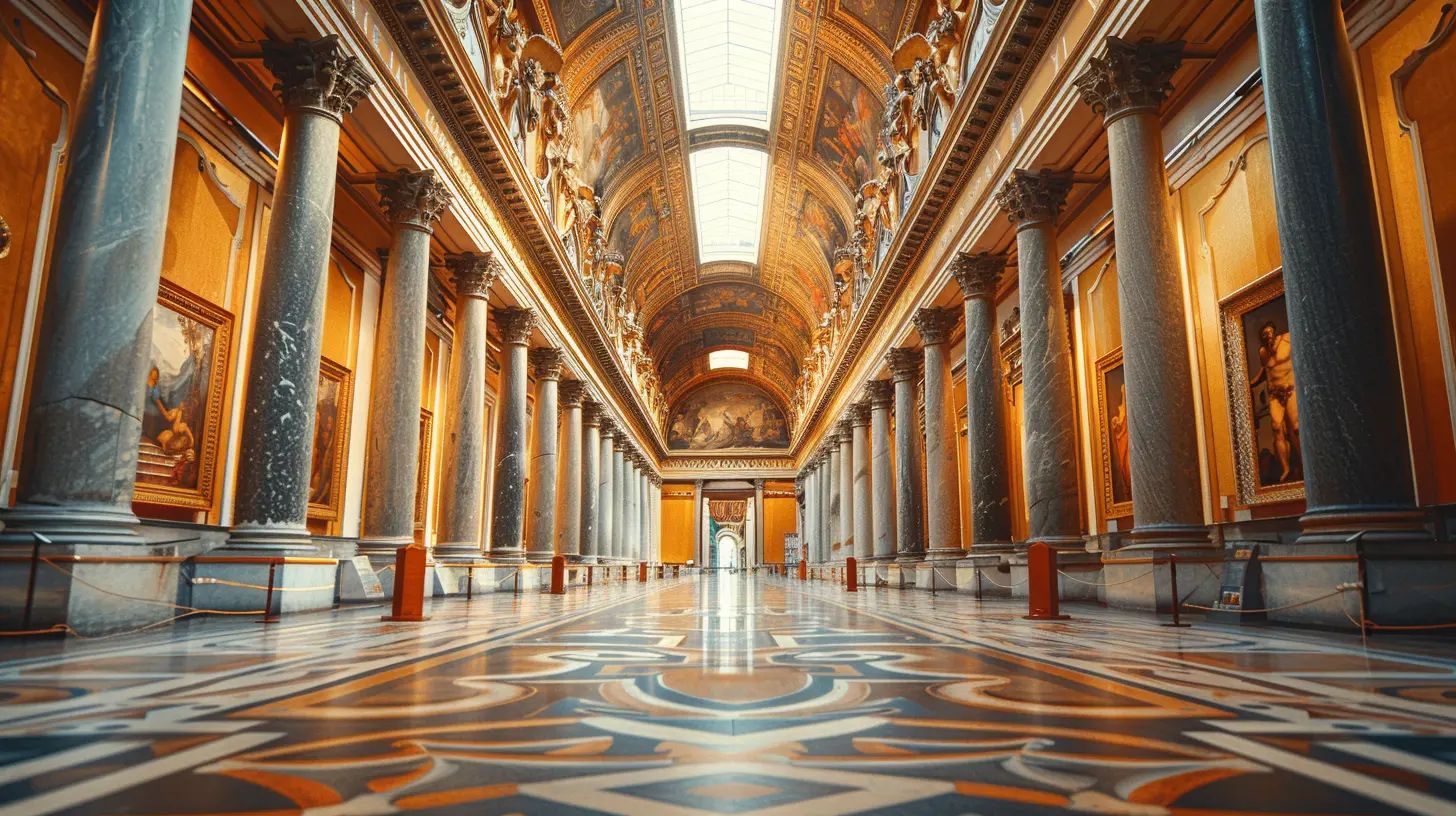
Rome: Where The Past and Present Collide
While Florence is the refined, artistic older sibling, Rome is the rebellious rockstar crashing on the couch. Yet, it still boasts some of the most unforgettable art museums in the world.The Vatican Museums: So Much Art, So Little Time
You can’t talk about Italian art without mentioning the Vatican Museums. These galleries are a labyrinth of jaw-dropping masterpieces, culminating in one of the world’s greatest artistic achievements—the Sistine Chapel.- Michelangelo's Ceiling Frescoes – If you think your job is hard, try painting a massive ceiling while lying on your back for four years. The famous "Creation of Adam" (you know, the one with the almost-touching fingers) is here, along with enough biblical drama to rival a Netflix series.
- The Raphael Rooms – Because Michelangelo wasn't the only artistic genius in town. Raphael’s frescoes are so stunning, they make even history haters pay attention.
Pro Tip: Wear comfortable shoes. This place is enormous, and it'll feel like you've walked the entire length of Italy by the time you're done.
Galleria Borghese: The Underrated Gem
If the Vatican Museums are a blockbuster film, the Galleria Borghese is a cult classic. Housed in a stunning villa, this museum offers a more intimate (and less tourist-packed) art experience.- Bernini’s Sculptures – This man turned marble into motion. His Apollo and Daphne captures a woman transforming into a tree mid-run. A tree. Out of stone.
- Caravaggio's Paintings – No one did dramatic lighting better than Caravaggio. If he were alive today, he’d probably be directing moody indie films.
Pro Tip: Tickets MUST be reserved in advance. They only allow a limited number of visitors per time slot, which is great news if you hate crowds but bad news if you’re a last-minute planner.
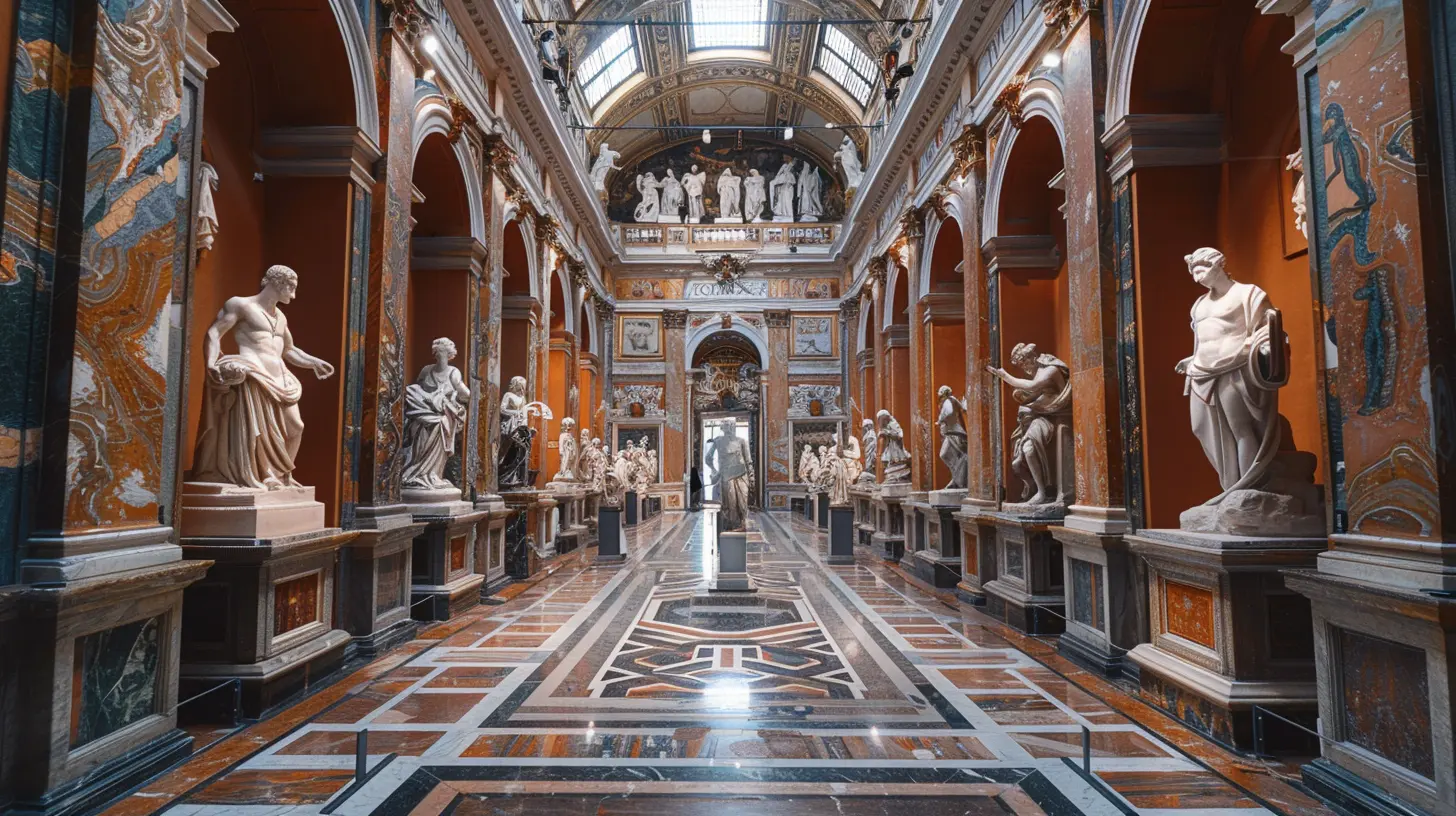
Milan: More Than Just Fashion and Football
Yes, Milan is all about high fashion and fancy aperitivos, but it also houses some Renaissance masterpieces that will blow your stylish socks off.The Last Supper: The Most Famous Dinner Party in History
Housed in the Convent of Santa Maria delle Grazie, Leonardo da Vinci’s "The Last Supper" is one of the most iconic paintings ever. It captures the exact moment Jesus drops the bombshell that one of his disciples will betray him. Drama, intrigue, secret messages—this painting has it all.But here’s the catch: The fresco started deteriorating almost immediately after da Vinci painted it (oops). Today, viewing is strictly controlled, and you only get 15 minutes to take it all in. So, blink sparingly.
Pro Tip: Tickets sell out months in advance. If you think you can just waltz in last minute, think again.
Pinacoteca di Brera: The Quiet Achiever
While everyone is busy chasing fashion week or snapping duomo selfies, the Pinacoteca di Brera sits quietly with its jaw-dropping collection of Renaissance art.- Mantegna’s "Lamentation of Christ" – A striking, dramatically-angled painting that practically invented perspective.
- Caravaggio’s "Supper at Emmaus" – More food-related biblical drama, because that’s apparently a Renaissance favorite.
This museum is like the cool, artsy cousin who doesn’t brag but has an insanely impressive portfolio.
Pro Tip: If you need a break from the chaos of Milan, this is the perfect cultural escape.
Venice: The Floating City of Art
Venice isn’t just about gondolas and overpriced coffee. It’s also home to art museums that prove the city was a Renaissance powerhouse.Gallerie dell'Accademia: Where Venice Shows Off
This museum might not be as famous as the Uffizi, but it's got Renaissance treasures that deserve just as much love.- Veronese’s "The Feast in the House of Levi" – Originally supposed to be a religious painting, it was so over-the-top that the Inquisition got involved. Classic Venice.
- Titian’s "Presentation of the Virgin" – Because no Renaissance tour is complete without a little Titian.
Pro Tip: Visit in the morning before the cruise ship crowds roll in.
Is It Worth It? Absolutely.
Sure, you could spend your Italian vacation eating your body weight in pizza and calling it a day (no judgment). But taking the time to walk through these art museums gives you a front-row seat to history, genius, and creativity on a level that makes modern influencers look uninspired.So, whether you're an art connoisseur or just someone who appreciates beautiful things, revisiting the Renaissance in Italy is an experience that will stay with you long after you leave.
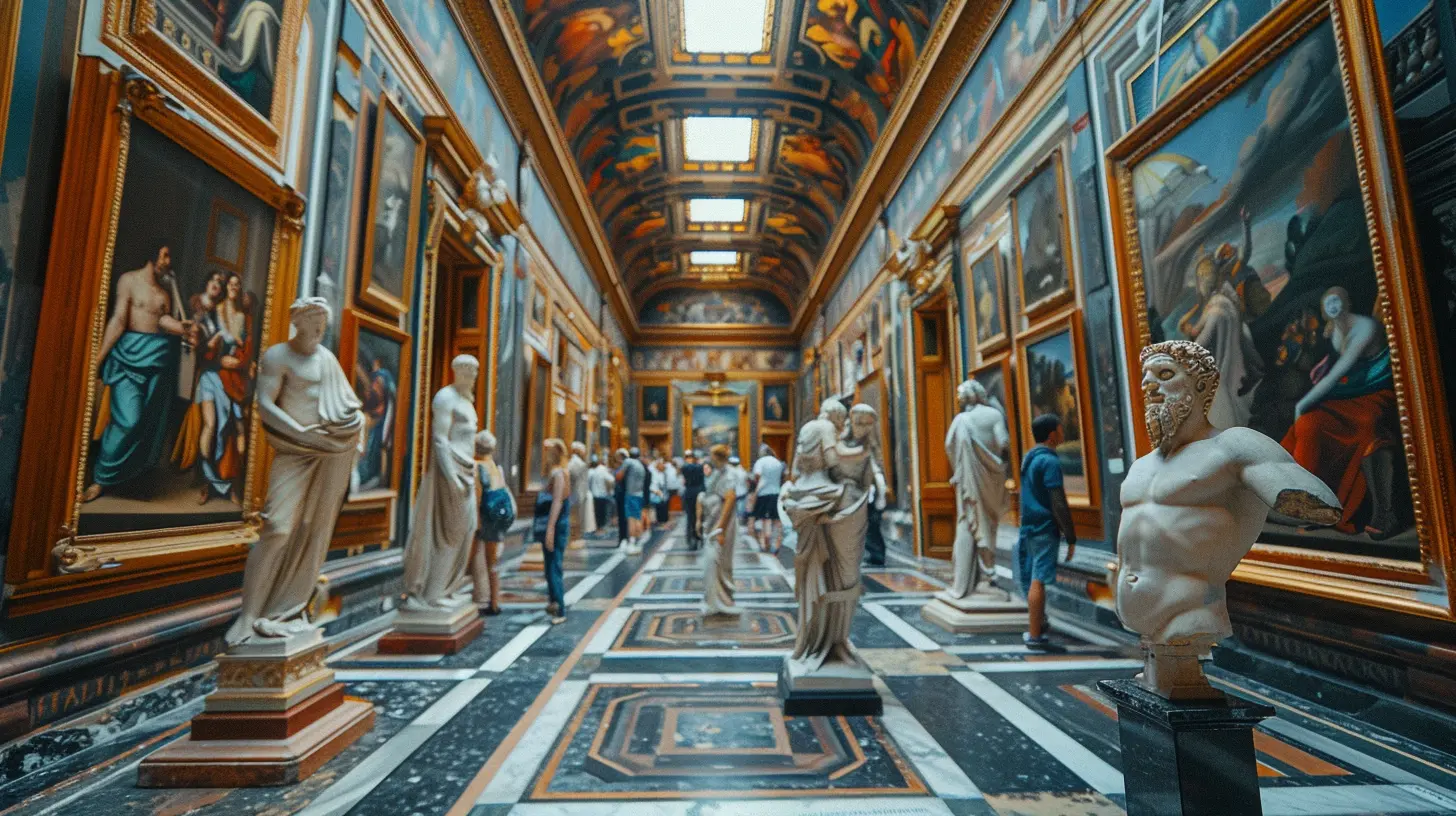
all images in this post were generated using AI tools
Category:
Museums And GalleriesAuthor:

Taylor McDowell
Discussion
rate this article
2 comments
Zadie McGillivray
Captivating journey through Italy's artistic heritage!
April 14, 2026 at 3:59 PM
Taylor McDowell
Thank you! I'm glad you enjoyed the journey through Italy's rich artistic history.
Amalia McLaurin
This article beautifully captures the essence of Italy’s artistic treasures. Your insights inspire a deep appreciation for the Renaissance, igniting a desire to explore these museums.
April 4, 2026 at 3:02 AM
Taylor McDowell
Thank you so much! I'm thrilled to hear that the article inspired you to explore Italy's incredible art treasures. Happy travels!