The Science of Museums: Exploring the Evolution of Curating and Designing
18 August 2026
Ever walked into a museum and found yourself lost in a time warp? Or maybe you’ve stared at a modern exhibit and thought, “Wait, how did they even come up with this?” Museums aren’t just old dusty buildings with artifacts anymore. They’ve evolved—big time.
In this article, we’re going deep into the fascinating science behind museums. Not the kind with lab coats and test tubes, but the art and strategy that go into curating and designing these places that hold history, culture, and imagination under one roof. From ancient collections to interactive digital displays, this is the behind-the-scenes scoop you didn't know you needed.
What Is Museum Curation, Really?
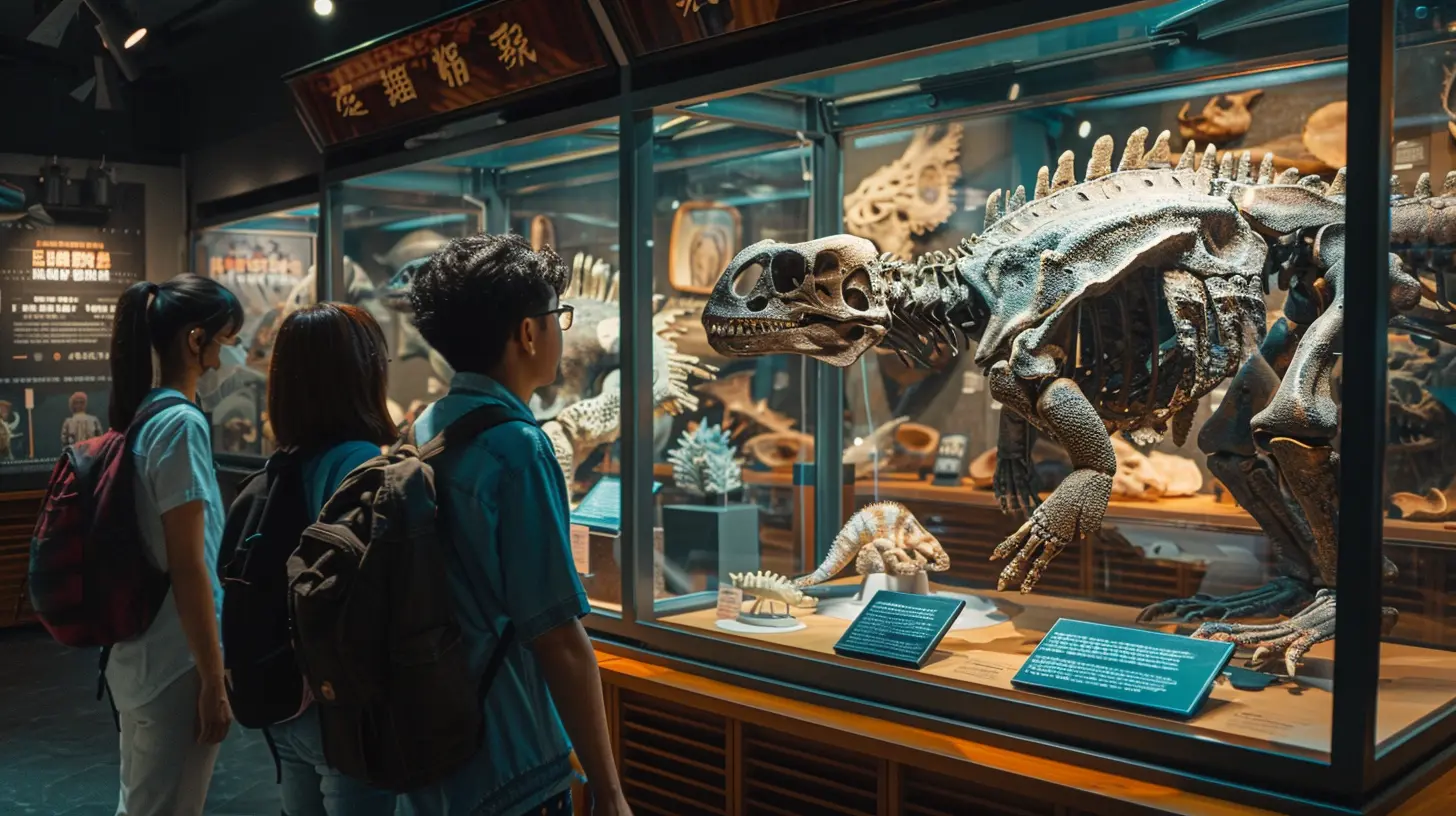
Let’s kick things off with the basics—what even is curation?Curation is like storytelling. Curators are the master storytellers of the museum world. They pick the artifacts, decide how they’re displayed, and connect them to a larger theme or narrative that makes sense to us, the visitors.
So when you see that dinosaur skeleton or that impressionist painting, know that someone meticulously selected it, researched it, and molded a visual journey around it.
It's Not Just Picking Pretty Things
Sure, aesthetics matter. But it’s not just about how things look—it’s about how they feel.Curators dig into:
- Historical context: What’s the backstory?
- Cultural relevance: Why does this piece matter today?
- Emotional impact: Will this connect with the audience?
Basically, they blend history, art, anthropology, psychology, and even a bit of marketing to create an experience you won't forget.
A Quick Trip Through Time: The Evolution of Museum Design
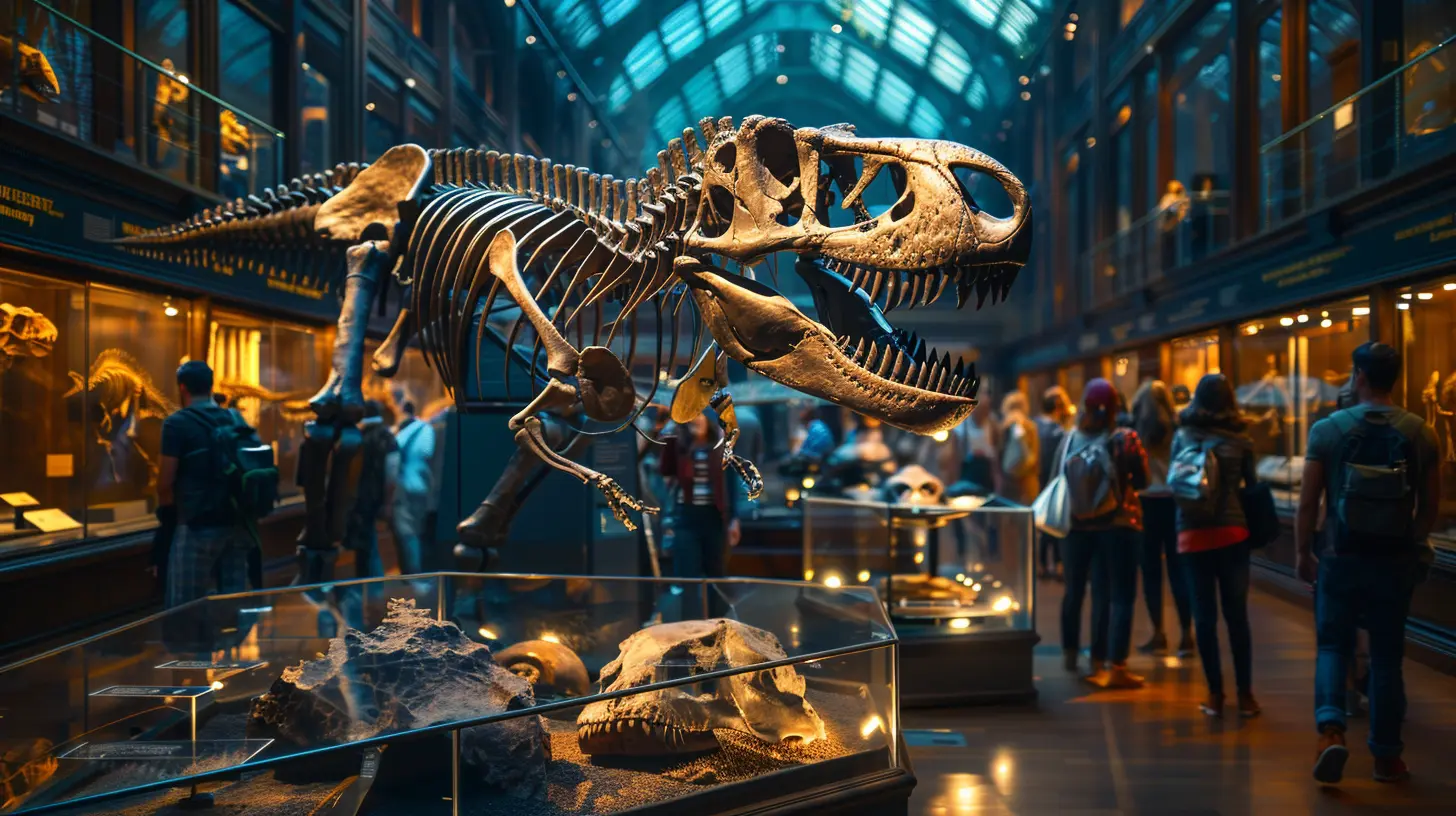
Museums weren’t always the sleek, interactive spaces we know today. Let's rewind for a second.The Cabinet of Curiosities Era
Back in the 16th and 17th centuries, the earliest form of museums were private collections known as “cabinets of curiosities.” These were kind of like personal showrooms filled with weird and wonderful objects from nature, science, and art. Think of it as a Renaissance version of a “cool stuff” Instagram feed.The Age of Enlightenment
By the 18th century, the idea of public museums started gaining traction. The focus was on educating the masses (noble, right?). Museums like the British Museum popped up, aiming to catalog human knowledge in one spot. It was all about classification, order, and logic.The Modern Turn
Fast forward to the 20th and 21st centuries, and things start to get really interesting. Museums began shifting from “look but don’t touch” to highly interactive experiences. Think touchscreens, virtual reality, and even scent-driven storytelling.We’re not in Kansas anymore, folks. Museums today are immersive, multi-sensory, and audience-driven.
The Science Behind Curating: A Blend of Art and Psychology
You might think curators are just art nerds (and yeah, many are), but they’re also low-key psychologists. Here’s why.Understanding Human Behavior
Curators design exhibits based on how people move, what catches their eye first, and how long they linger. It’s all about:- Wayfinding: How easily can visitors navigate the space?
- Attention span: How much info is too much?
- Engagement: What will make them stop, look, and stay awhile?
And let’s not forget emotions. The best exhibits make you feel something—whether it’s awe, sadness, nostalgia, or even anger.
Using Technology to Tell Better Stories
From virtual guides to AR experiences that make ancient ruins spring to life, tech has become a huge part of curating.Some museums now use AI to personalize your journey—showing you exhibits based on your interests. Seriously, it’s like Netflix but for history buffs.
Designing a Museum: More Than Just Walls and Pedestals
Designing a museum is like laying out a giant real-life comic book where every panel (or room) pushes the story forward. And trust me, it’s no walk in the park.The Layout Is Everything
A poorly planned layout can kill a museum vibe. Designers have to balance:- Flow: Is there a clear path?
- Lighting: Is it moody for effect or bright for clarity?
- Space: How close is too close?
You don’t want to feel crammed, but you also don’t want to be wandering in a giant, empty room wondering if you’ve missed something.
Accessibility and Inclusion
Modern museums are putting their money where their mouths are. It’s not just about accessibility ramps and braille labels anymore. It’s about making content digestible and engaging for people of all ages, abilities, and backgrounds.We’re talking multilingual exhibits, sensory-friendly rooms, and audio guides tailored for the visually impaired. Because culture should be for everyone—not just the history professors among us.
From Physical to Digital: The Rise of Virtual Museums
Remember during the pandemic when everything went digital—including museums? That's not going away anytime soon.Virtual Exhibits Are Changing the Game
Now you can walk through the Louvre in your pajamas or zoom into the brushstrokes of Van Gogh’s “Starry Night” while sitting on your couch munching popcorn. It’s wild.And while nothing beats standing in front of a real artifact, digital exhibitions are a powerful way to reach more people than ever before.
Hybrid Experiences for the Win
The best museums are blending both worlds. You visit the physical space and then get bonus content online—curator interviews, behind-the-scenes footage, or interactive 3D models.It's like a museum experience that keeps giving—long after you've left the building.
Museums as Cultural Guardians
Museums do more than show off cool stuff—they preserve it. They are the guardians of history, memory, and identity.Preserving the Past
Artifacts are fragile, and museums use a mix of science and technique to keep them intact:- Climate control
- UV-protected cases
- Conservation treatments
You might not see it, but behind every exhibit are teams of conservators working quietly to fight off time, decay, and sometimes even mold.
Telling the Hard Stories
Museums today are also getting braver. They’re tackling tough issues like colonialism, racism, and climate change. They’re owning their pasts and using their platforms to spark conversations that matter.It’s not always comfortable, but it’s necessary.
New Roles for Museums: More Than Just Exhibitors
Museums today are turning into community hubs. They're not just places to look—they’re places to gather, learn, debate, and even protest.Education Centers
From toddler art classes to senior citizen lectures, museums are going all-in on education. Some even have maker spaces and innovation labs where kids can design their own exhibits.Safe Spaces for Dialogue
In times of social or political unrest, many museums open their doors as places for peaceful discussion and reflection. It’s a role we didn’t see coming—but it’s one that fits perfectly.
The Future of Curating and Designing
So, what’s next?We’re already seeing AI-curated exhibits, holograms, and data-driven layout design. But the future lies in personalization. Imagine a museum that changes its content based on your mood or preferences. (Yeah, we’re getting there.)
Also, expect museums to be more mobile—pop-up exhibits, outdoor installations, and collaborations with non-traditional spaces like subway stations or city parks.
Because why keep culture locked inside four walls when it can live and breathe out in the open?
Why It All Matters
You might not think museums play a big role in your life—but think again.They shape how we see the world—and each other. They remind us where we’ve been, help us make sense of where we are, and inspire where we’re going. Whether you’re a history nerd or a casual wanderer, there’s a place (and a story) for you in a museum.
And if you ask me, that's pretty powerful.
all images in this post were generated using AI tools
Category:
Museums And GalleriesAuthor:

Taylor McDowell