The Sneakiest Travel Scams and How to Avoid Them
22 May 2026
Traveling offers excitement, adventure, and unforgettable memories. But let’s be real—while you're out enjoying new cultures, snapping Instagram-worthy pics, and living your best life, there’s a whole world of scammers out there just waiting to make you their next target. Yeah, the travel world isn't all sandy beaches and charming cafes.
So if you’re planning your next trip (or even just daydreaming about it), knowing the sneakiest travel scams and how to sidestep them can save you a lot of money, time, and unnecessary headaches. Ready to be scam-proof? Let’s dive right into it.
1. The Too-Friendly Local
What Is It?
You're walking around a new city and someone super friendly starts chatting with you. They might ask where you're from, compliment your accent, or offer to show you around “like a local.” It feels genuine—but spoiler alert—it’s probably not.What’s The Catch?
After a mini tour or some friendly banter, you might end up at a local bar or restaurant suggested by your "new friend." Boom. Here's where it goes sideways: the food or drinks end up costing 5 or 10 times the usual price. And guess what? Your pal is secretly getting a cut from the establishment.How to Avoid It
- Be cautious when strangers seem too eager to help.- Politely decline random tour offers.
- Stick to places with solid reviews or recommendations from your hotel or trusted travel forums.
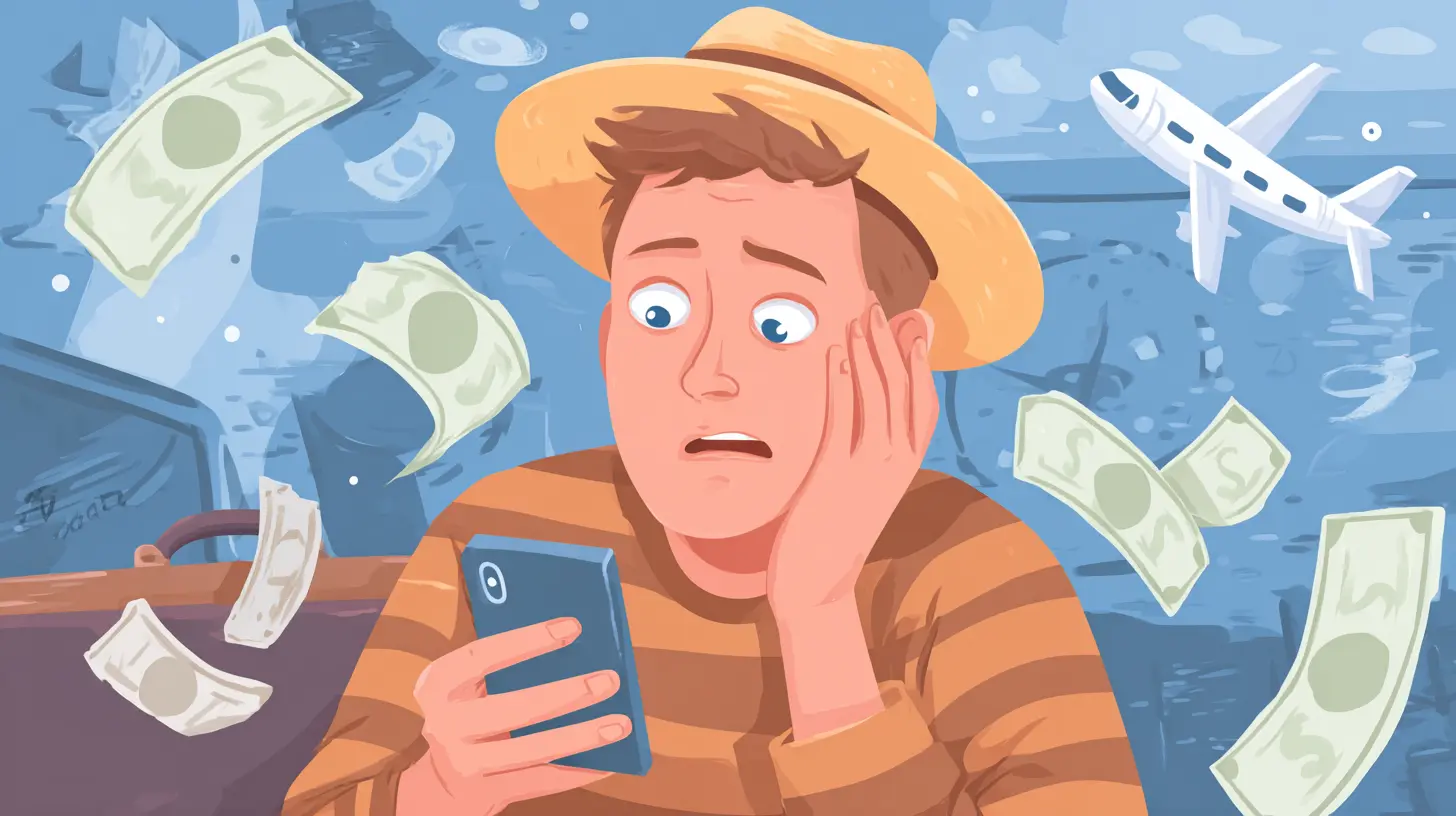
2. The Taxi Meter Scam
What Is It?
You hop into a cab after a long flight, only to notice the meter racing like it's on energy drinks. This classic taxi meter scam is all about exploiting tourists who don’t know the standard rates.What’s The Catch?
Either the driver takes you on the “scenic route,” or their meter is rigged. Some even claim the meter is broken and give you a made-up fare—usually ridiculously inflated.How to Avoid It
- Always use official taxis. Look for government-issued licenses or logos.- Agree on a fare before hopping in if the meter's “broken.”
- Use ride-sharing apps like Uber, Bolt, or Grab when available—they cut the nonsense.

3. “This Site is Closed” Scam
What Is It?
You rock up to a famous temple, museum, or palace, only to be told by someone nearby that it’s “closed for the day.” Wow, what are the odds, right? Then they just happen to know another “amazing” place you should check out. How convenient.What’s The Catch?
The alternative they recommend is usually a tourist trap—from overpriced souvenir shops to sketchy tour agencies. And yes, they’re getting commission.How to Avoid It
- Double-check opening hours online yourself.- Enter through the official entrance—even if someone outside says it’s closed.
- Don’t change your plans based on advice from random people on the street.
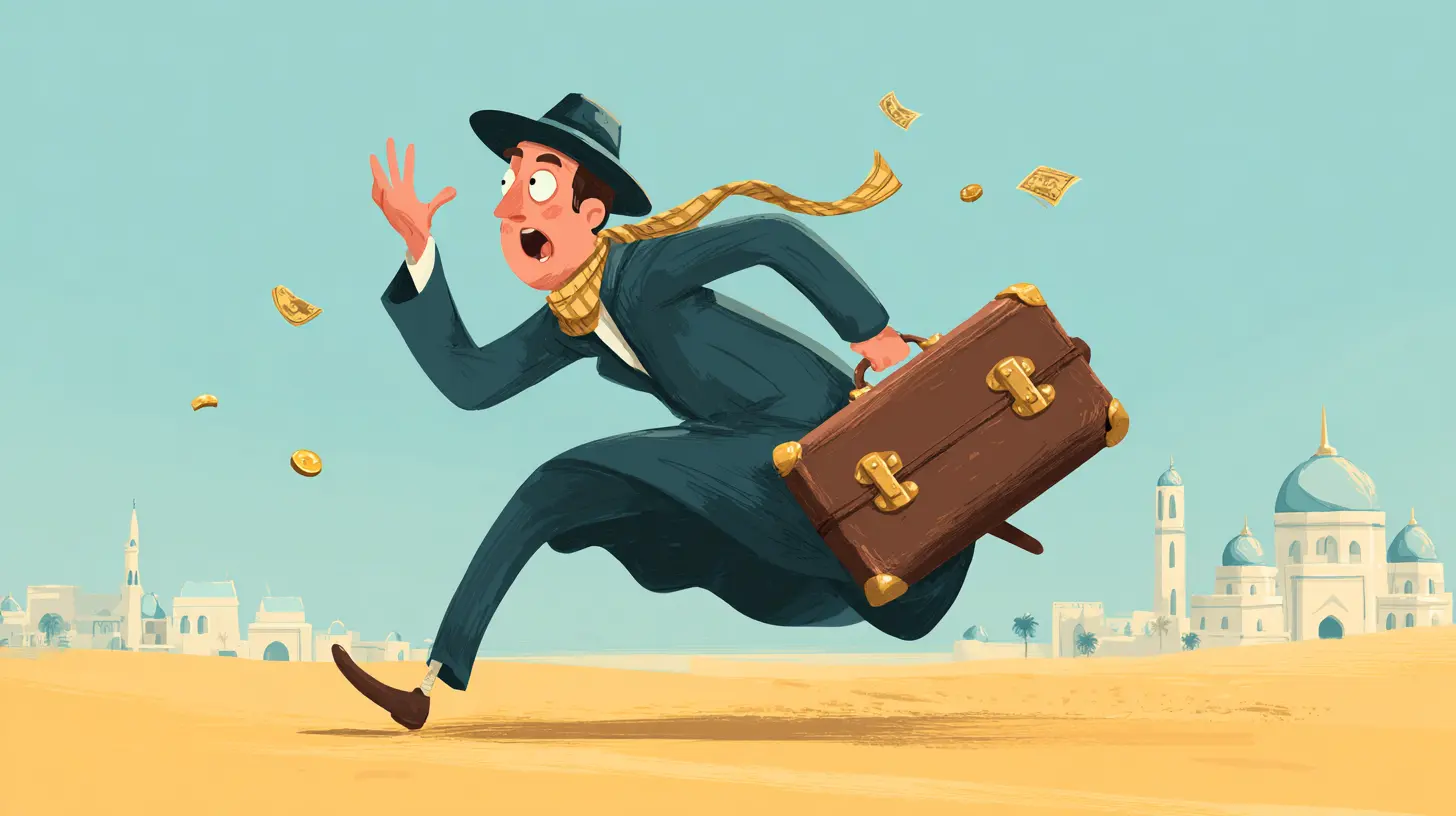
4. The Fake Police Officer
What Is It?
Someone approaches you claiming to be a police officer. They might ask to see your passport or ask questions about your money, claiming to be cracking down on counterfeit cash or illegal transactions.What’s The Catch?
They’ll subtly pressure you into handing over your wallet or passport—or even fine you on the spot for a made-up offense.How to Avoid It
- Ask for ID and badge numbers.- Insist on going to a police station if things feel off.
- Never, ever hand over your valuables on the street.
5. Currency Exchange Scams
What Is It?
You’re exchanging money at a local kiosk or with some guy on the street offering “better than bank” rates. Tempting, right? Especially when you’re trying to stretch your travel budget.What’s The Catch?
You’ll either get short-changed, handed counterfeit bills, or hit with hidden fees after the exchange.How to Avoid It
- Use ATMs in bank buildings or exchange money at official currency exchange spots.- Count your money carefully before leaving the counter.
- Avoid black-market exchanges—just not worth the risk.
6. The Accommodation Switch
What Is It?
You show up at your hotel or hostel, but suddenly the front desk says they “lost” your reservation or that the hotel is “full” or “closed for renovations.” But no worries—they’ll take you to a “better” one.What’s The Catch?
The new place is usually overpriced, low-quality, or both. And yes, they get a kickback from sending you there.How to Avoid It
- Always call ahead to confirm your reservation.- Book accommodations with strong online reviews and clear policies.
- Don’t make payments to anyone other than the official hotel contact.
7. The Broken Taxi Meter (Part II)
What Is It?
A cousin of the taxi scam, but this time the driver says the meter is “broken” after you’re already on the road. Conveniently, he forgot to tell you before starting the trip.What’s The Catch?
Again, you’ll be charged way more than the standard fare, and you’re stuck unless you jump out mid-ride (which… let’s not).How to Avoid It
- Before getting in, ask if the meter is working.- If not, negotiate the fare upfront—or get out before the ride starts.
- Use reputable taxi apps when possible.
8. Pickpockets in Crowds
What Is It?
You’re awestruck by a street performer or busy snapping photos in a crowded square, and boom—your wallet disappears. Pickpockets thrive in places where you’re not paying attention.What’s The Catch?
You probably won’t even notice. They’re skilled, fast, and work in teams. Some even use distractions like a spilled drink, a “lost” item, or a staged fight to divert your attention.How to Avoid It
- Use anti-theft bags and keep them in front of your body.- Don’t carry more cash than you need.
- Keep your phone and valuables in zipped pockets—bonus points if they're inside your jacket.
9. The Wi-Fi Scheme
What Is It?
You find free Wi-Fi in a café or plaza and connect without thinking twice. But not all free Wi-Fi is your friend.What’s The Catch?
Scammers can create fake hotspots with names like “Free_Cafe_WiFi.” When you connect, they might capture your passwords, banking info, or personal data.How to Avoid It
- Avoid logging into sensitive accounts on public Wi-Fi.- Use a VPN whenever possible.
- Ask staff for the official network name before connecting.
10. “Helpful” Locals at the ATM
What Is It?
You're at an ATM trying to figure out how to get cash, and a “friendly” stranger offers to help. They might even show you how to cancel a transaction or offer translation help.What’s The Catch?
They're either watching your PIN or they’ll swap your card when you’re distracted. Either way, they drain your account before you realize what happened.How to Avoid It
- Don’t accept help from strangers at ATMs.- Cover the keypad when typing your PIN.
- Use machines in banks or secure locations, especially during business hours.
11. The Overpriced Camel/Elephant/Horse Ride
What Is It?
You’re near a tourist site and someone offers you a “quick ride” on a camel or elephant—or even just a picture. They say it’s cheap. Too cheap.What’s The Catch?
Once the ride is over, suddenly there are “extra charges” or the original price mysteriously doubled. Sometimes they even demand extra money to help you get off the animal!How to Avoid It
- Settle the price upfront—firmly.- Avoid animal rides if the animals don’t look well-treated (and let’s be honest, most aren’t).
- Just say no to anything that sounds too good to be true—it usually is.
12. The Baby Toss Scam (Yes, It’s Real!)
What Is It?
This one’s wild. Someone literally tosses a fake baby at you—yes, really. Your natural reaction is to catch it.What’s The Catch?
While you’re freaking out over the “baby,” their partner pickpockets you or grabs your bag. It’s a warped form of distraction, but it works.How to Avoid It
- Stay sharp in busy areas.- If something feels completely unusual, it’s probably staged.
- Trust your gut—it’s smarter than you think.
Final Thoughts
Let’s be honest—no one wants to talk about scams when they’re planning a dream getaway. But knowledge is power, and you don’t want your trip story to be, “That time I got swindled in Paris.” Right? Staying aware, trusting your instincts, and doing a little homework can go a long way in shielding you from these sneaky (and honestly, pretty clever) traps.The world is full of amazing people and eye-opening experiences, but like any good story, there are a few villains lurking around the edges. Don’t let them steal your spotlight—or your wallet.
So pack those bags, tighten up your street smarts, and go make those memories. Just remember: if something feels off, it probably is.
Safe travels!
all images in this post were generated using AI tools
Category:
Travel ScamsAuthor:

Taylor McDowell
Discussion
rate this article
1 comments
Pilar McDowney
Stay alert, protect your journey!
June 6, 2026 at 3:15 PM
Taylor McDowell
Thanks for the reminder! Staying aware is key to a smooth trip.