Travel Insurance and Health Coverage Abroad
12 February 2026
Traveling is one of life’s greatest joys—new experiences, new cultures, new food, and, unfortunately, new risks. From lost luggage to medical emergencies, anything can happen when you're far from home. That’s where travel insurance and health coverage abroad come into play.
But let's be honest—insurance is one of those things people tend to ignore, thinking, "Nothing bad will happen to me." Until it does. And trust me, dealing with a hospital bill in a foreign country without coverage can be a financial nightmare. So, let’s break it down—what you need, why you need it, and how to choose the right plan for your trip. 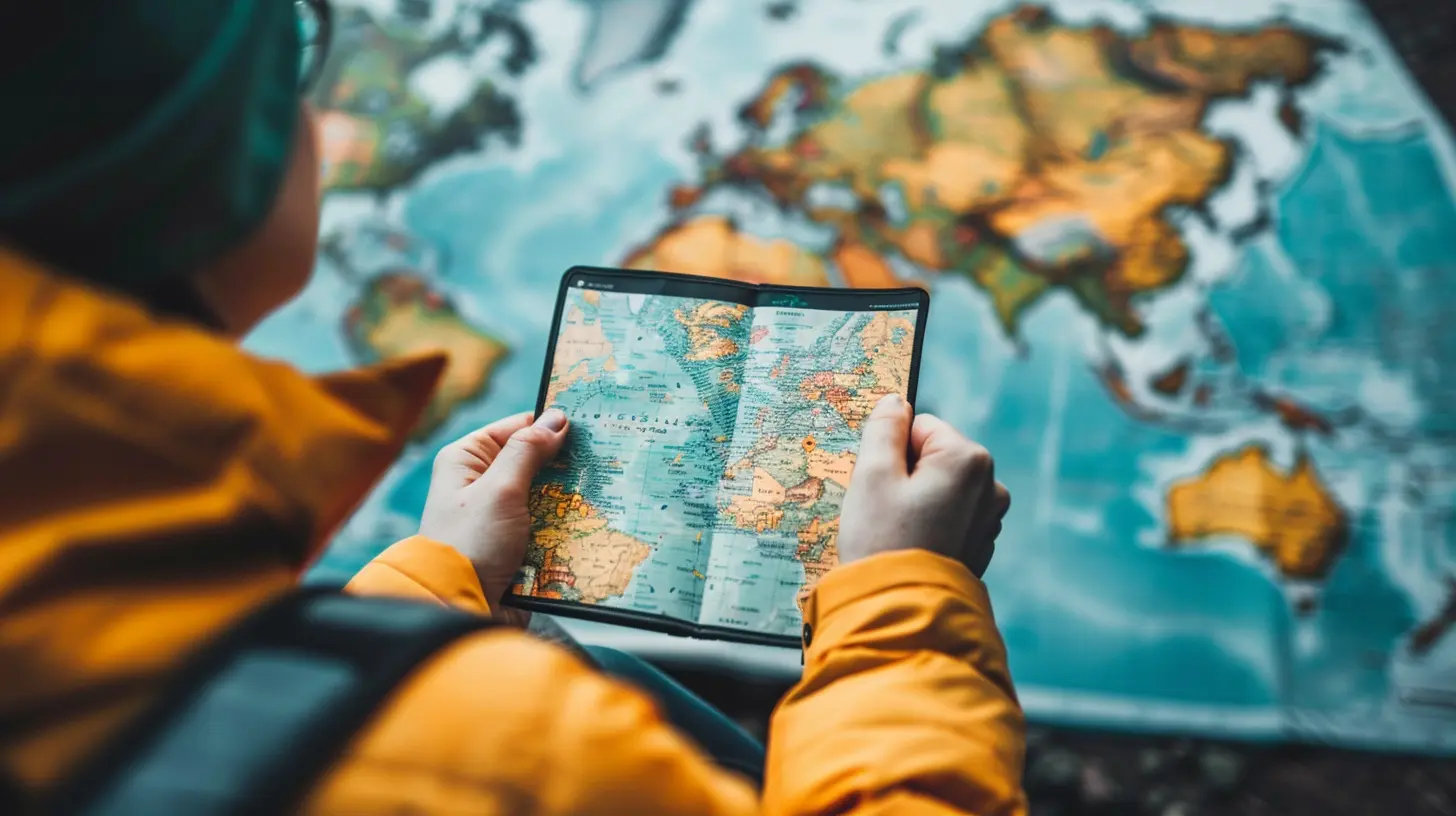
Why Travel Insurance is Non-Negotiable
Imagine this: You’re in Thailand, enjoying a tropical getaway, when suddenly, you slip at the poolside and break your ankle. No problem, right? Until you're hit with a $10,000 hospital bill upfront—because, surprise, they won’t treat you without payment.This is why travel insurance isn’t just a "nice-to-have"; it’s a must-have. It protects you from unexpected expenses that could ruin your trip—or worse, leave you in debt.
What Travel Insurance Typically Covers
Not all travel insurance policies are the same, but most cover:- Medical emergencies – Hospitalization, doctor visits, medications, and emergency medical treatments.
- Trip cancellations – In case you need to cancel due to illness, family emergencies, or unforeseen circumstances.
- Lost baggage and belongings – Airlines lose luggage more often than you'd think.
- Emergency evacuation – If you need to be flown back home due to a serious medical condition.
- Flight delays and cancellations – Expenses for hotel stays, food, and rebooking fees if your flight gets disrupted.
The Fine Print You Can’t Ignore
Insurance companies are notorious for burying exclusions in the fine print. Some policies won't cover adventure sports like scuba diving, skydiving, or hiking at high altitudes. Others exclude pre-existing conditions, meaning if you have diabetes or asthma, you might not be covered for related health issues.Before buying, always read the exclusions section like your trip depends on it—because it probably does. 
Health Coverage Abroad: Does Your Insurance Have Your Back?
Many travelers assume their regular health insurance will cover them abroad. But in most cases, it won’t—at least, not fully.Does Your Home Health Insurance Work Internationally?
Most standard health insurance policies limit coverage to your home country. If you’re from the U.S. and you land in Paris with food poisoning, your regular health plan probably won’t help you.Even if it does cover international care, you’ll likely have to pay out-of-pocket first and get reimbursed later. And trust me, foreign hospitals can be insanely expensive.
Tip: If your health plan does offer some international coverage, call your provider and ask:
- How does reimbursement work?
- Are there coverage limits?
- Do I need to visit specific hospitals?
Does Travel Insurance Cover Medical Emergencies?
Yes—but not all plans are created equal. Some only cover basic emergencies, while others provide more comprehensive medical protection, including prescriptions, doctor visits, and even dental emergencies.If you have a pre-existing condition, invest in a policy that specifically covers it. Otherwise, you might be stuck with hefty out-of-pocket costs for something as simple as a routine check-up. 
Choosing the Right Travel Insurance Plan
Alright, so now you’re convinced you need coverage. But with hundreds of policies out there, how do you pick the right one?Factors to Consider
1. Your Destination- Traveling to Europe? Some countries require proof of insurance, especially if you’re applying for a Schengen visa.
- Going on a backpacking trip to Southeast Asia? Make sure adventure sports and motorbike accidents are covered.
2. Trip Length
- Short trips? A single-trip policy works fine.
- Frequent traveler? Annual travel insurance might save you money.
3. Medical Coverage Amount
- Some plans cap coverage at $50,000, while others go up to $500,000+. If you're traveling to countries with expensive healthcare (like the U.S.), a higher medical limit is advisable.
4. Deductibles & Premiums
- Higher deductibles mean lower premiums, but you’ll pay more out-of-pocket before insurance kicks in.
5. Evacuation & Repatriation
- If something serious happens, how will you get back home? Some plans include emergency medical evacuation, which can cost $100,000+ without insurance.
6. Exclusions & Limitations
- Make sure it covers illnesses, injuries, and disruptions that are relevant to your trip activities. 
How Much Does Travel Insurance Cost?
Price varies depending on:- Age (older travelers pay more)
- Destination (some countries have pricier plans)
- Coverage amount
- Trip length
On average:
- Basic coverage: 4-6% of your trip cost
- Comprehensive coverage: 8-12% of your trip cost
For a $3,000 trip, expect to pay anywhere between $120 to $360 for travel insurance.
Where to Buy Travel Insurance
There’s no shortage of providers out there, but here are some reliable ones:- World Nomads – Great for adventurous travelers.
- Allianz Travel Insurance – Comprehensive plans for different trip lengths.
- SafetyWing – Budget-friendly for digital nomads.
- IMG Global – Solid choice for long-term travelers.
- AXA Assistance USA – Offers high medical limits and emergency evacuation.
When purchasing, compare plans side by side. Check reviews, read the fine print, and pick the one that best aligns with your travel style.
Final Thoughts: Is It Worth It?
Absolutely. Think of travel insurance like a seatbelt. Most of the time, you won’t need it, but when you do, you’ll really need it.A small investment in travel insurance can save you thousands of dollars in medical bills, canceled flights, or lost belongings. And most importantly, it gives you peace of mind—so you can focus on enjoying your trip without worrying about "what ifs."
Bottom line? If you're traveling abroad, get insured. Your future self will thank you.
all images in this post were generated using AI tools
Category:
Travel InsuranceAuthor:

Taylor McDowell
Discussion
rate this article
2 comments
Juniper Hodge
Travel insurance is essential for safeguarding against unforeseen medical expenses abroad. Understanding policy nuances can greatly enhance safety and peace of mind during international travel.
February 17, 2026 at 4:10 PM
Taylor McDowell
Absolutely, understanding travel insurance is key to ensuring you're covered for unexpected medical costs, allowing for a safer and more enjoyable journey.
Angela Harris
Travel insurance is essential for any trip abroad. It not only protects against unexpected medical expenses but also covers trip cancellations and lost belongings. Don't overlook it—ensure you’re adequately covered to enjoy your travels with peace of mind. Safety first!
February 13, 2026 at 5:30 AM
Taylor McDowell
Absolutely agree! Travel insurance is a crucial safeguard that enhances your travel experience by providing essential coverage for health, cancellations, and lost items. Prioritizing it ensures peace of mind while exploring new destinations.