Unique Markets of Bolivia: From Witches to Weavings
30 January 2026
When you think of extraordinary travel experiences, what often comes to mind? Trekking through the Amazon? Maybe exploring ancient ruins? Well, how about wandering through bustling, quirky, and sometimes downright bizarre markets in the heart of South America?
Welcome to Bolivia—land of breathtaking landscapes, rich culture, and marketplaces that are as colorful as they are mysterious. Vendors sell everything from mystical potions to vibrantly handwoven textiles. Some markets look like something out of a magical realism novel, while others are time capsules preserving centuries-old traditions.
So, if you're the kind of traveler who thrives on the offbeat and authentic, buckle up. We’re diving into Bolivia’s most unique and unforgettable markets—where witches sell llama fetuses, artisans weave history into fabric, and every aisle tells a story.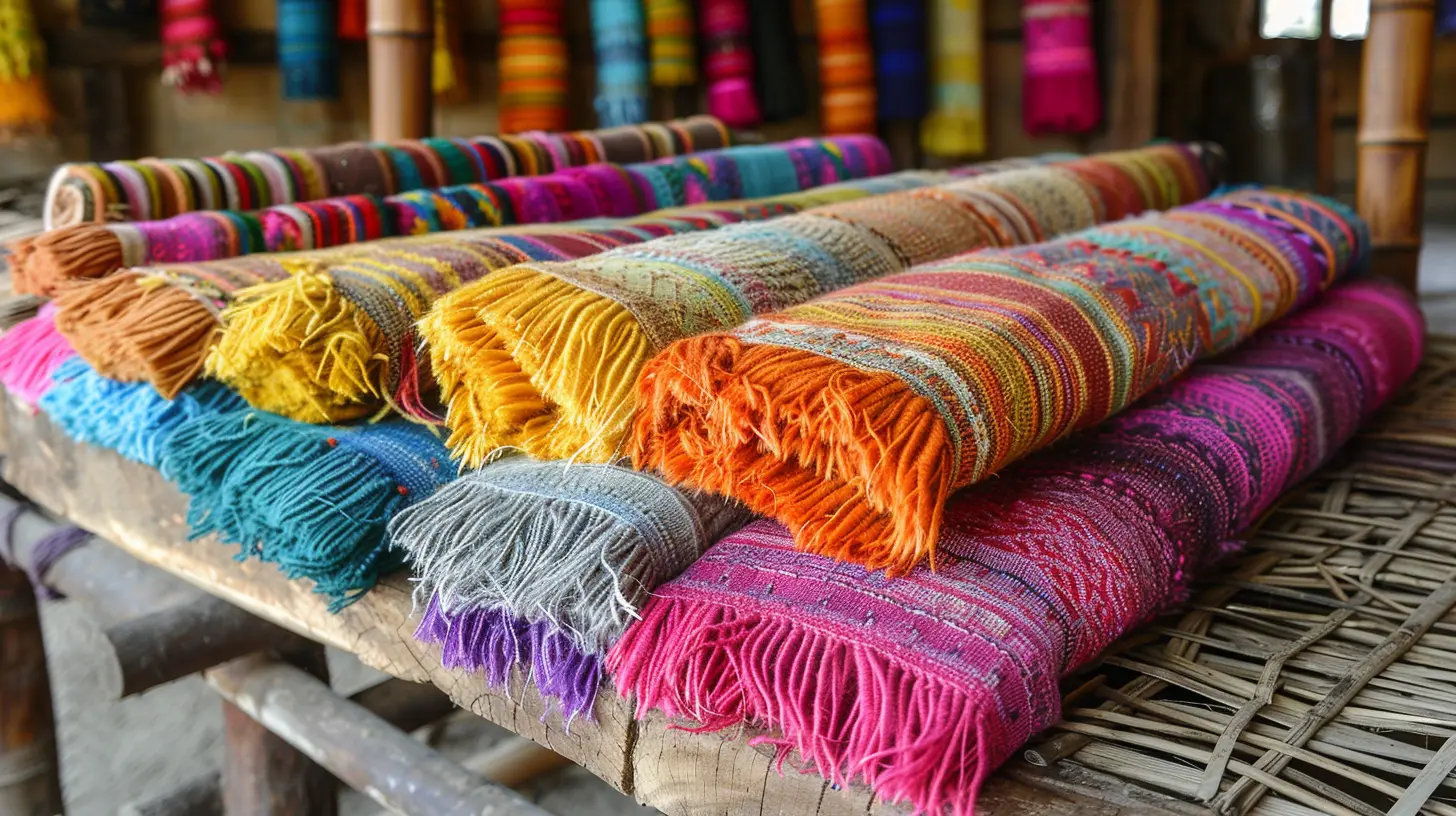
Why Bolivia’s Markets Are Like No Other
Before we hit the aisles, let’s talk about what makes these markets truly special. Bolivia is a country bursting with indigenous culture. Over 60% of the population identifies with indigenous roots—primarily Aymara and Quechua. This deep cultural pride leaks into every aspect of Bolivian life, but you feel it strongest in the markets.Markets here aren’t just places to buy things; they’re cultural theaters. A blend of commerce, folklore, spirituality, and community interaction. They’re where ancient Andean beliefs meet everyday Bolivian hustle. Trust me—you don’t just shop at these markets. You experience them.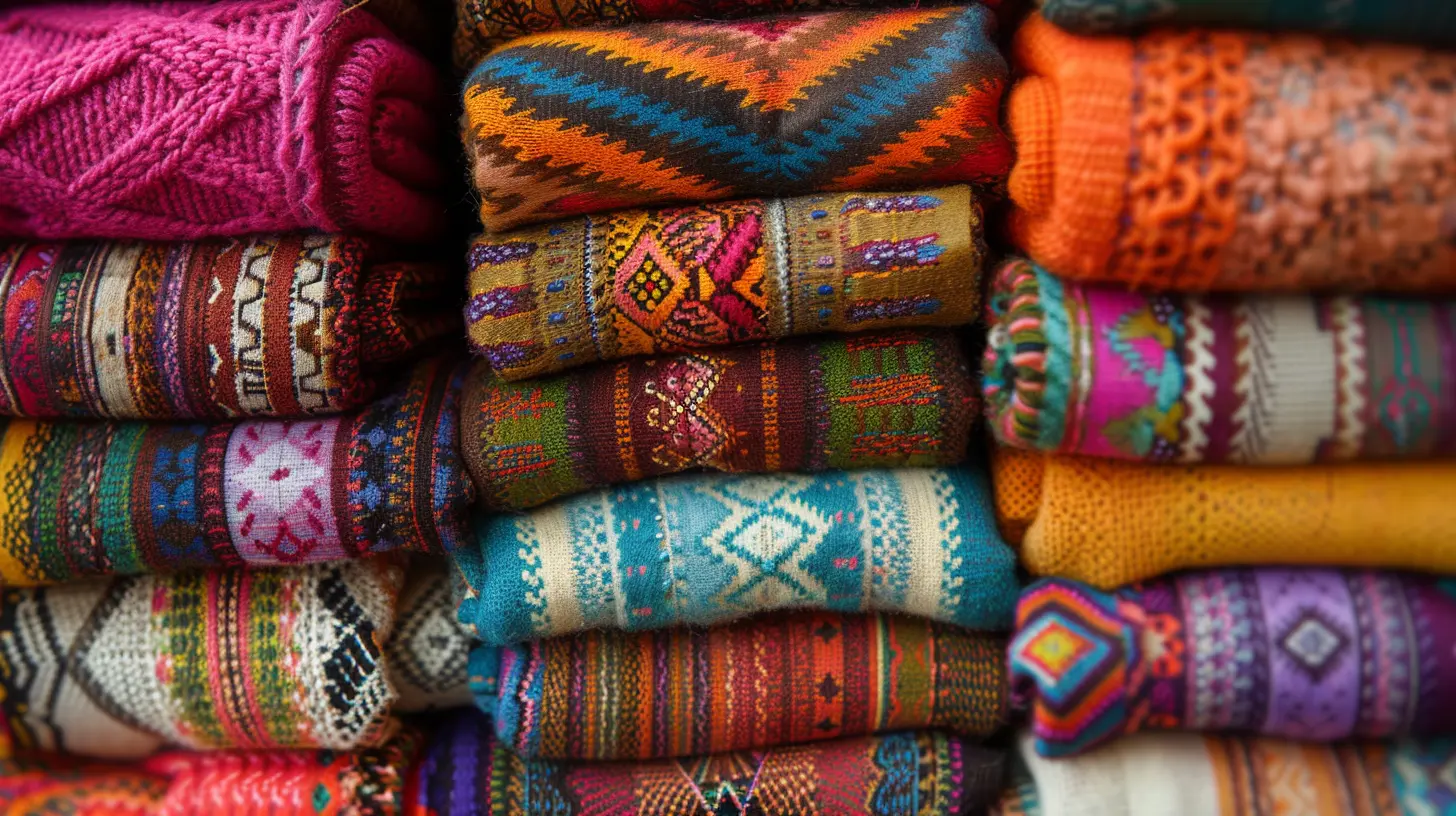
Mercado de las Brujas (The Witches' Market) – La Paz
A Market Straight Out of a Fantasy Novel
This market is by far the most talked-about—and for good reason. Nestled in the steep, narrow streets of La Paz, the Mercado de las Brujas (Witches’ Market) is not your average souvenir stop.Here, you’ll find dried llama fetuses (yes, seriously), love potions, owl feathers, colorful amulets, and tiny figures intended to bring wealth, fertility, or protection. Locals believe these items please Pachamama—the Earth Mother in Andean cosmology. And when you’re building a house in Bolivia? A buried llama fetus is your good luck charm.
Meet the Yatiris
Don’t be surprised if you bump into a yatiri—a traditional Aymara healer identified by their black hats and thick glasses. They’ll happily read your future through coca leaves or recommend the best potion for your woes.Is it spooky? Maybe. But it’s also deeply spiritual and rooted in traditions that predate the Inca Empire. The market may feel like Harry Potter meets anthropology class, but for Bolivians, this is serious business.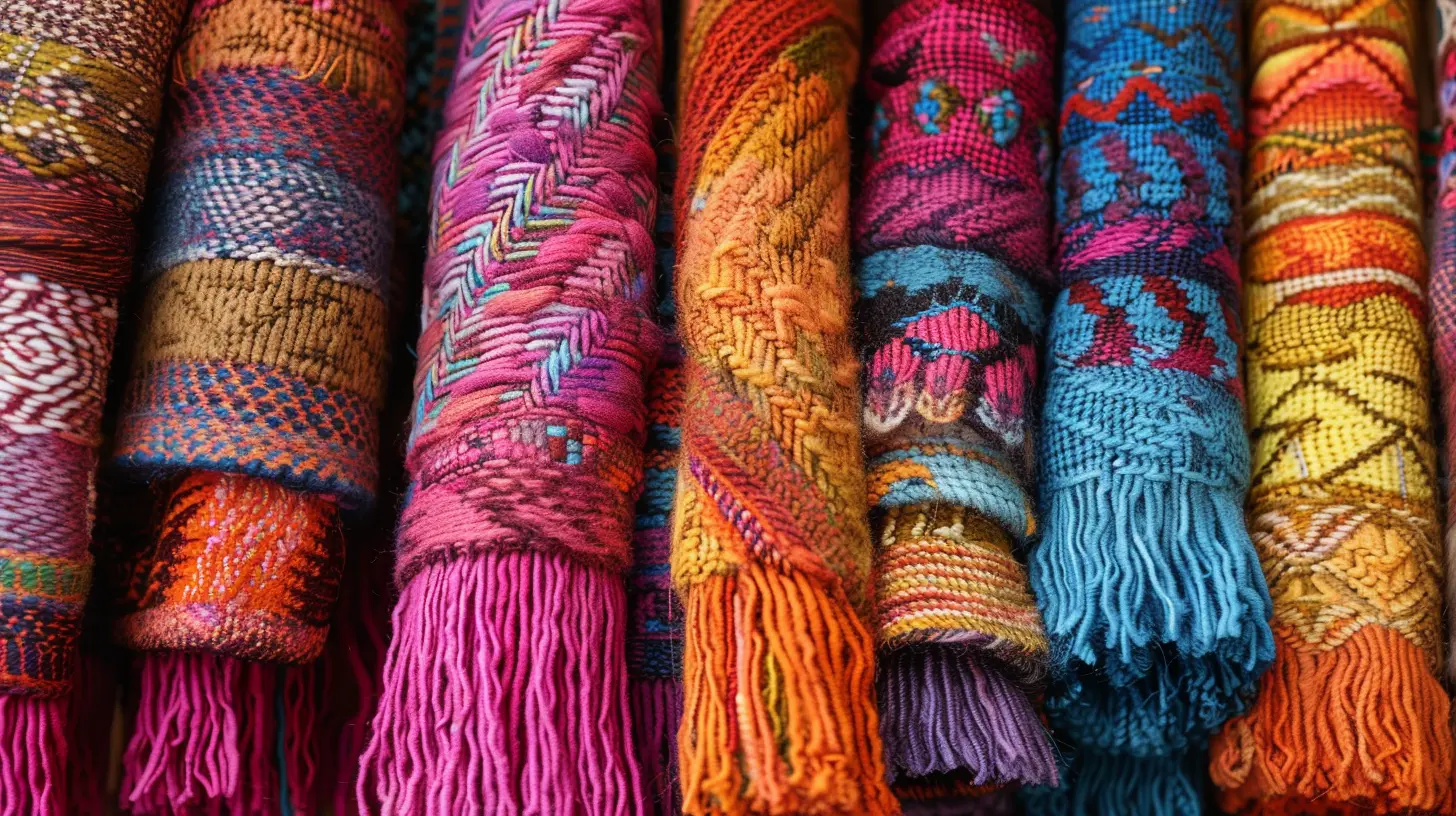
Tarabuco Market – Sucre’s Time Capsule
A Sunday Worth Waking Up For
Every Sunday, about two hours outside of Sucre, something magical happens. The sleepy town of Tarabuco bursts to life with one of the most culturally authentic markets in the country.The Tarabuco Market isn’t just known for its handicrafts—it’s known for its people. The Yampara culture dominates here, and the locals proudly wear traditional attire that hasn’t changed much in centuries. Think colorful ponchos, elaborate helmets resembling Spanish conquistadors, and intricate jewelry.
Weaving History into Every Thread
The textiles here are legendary. Everything is handwoven using techniques that’ve been passed down through generations. Each pattern tells a story—about mythology, daily life, or historical battles. Buying a textile from Tarabuco isn’t just buying a souvenir; it’s taking home a piece of Bolivian heritage.Want a pro tip? Bargain respectfully. A smile and a few words in Spanish will go a long way.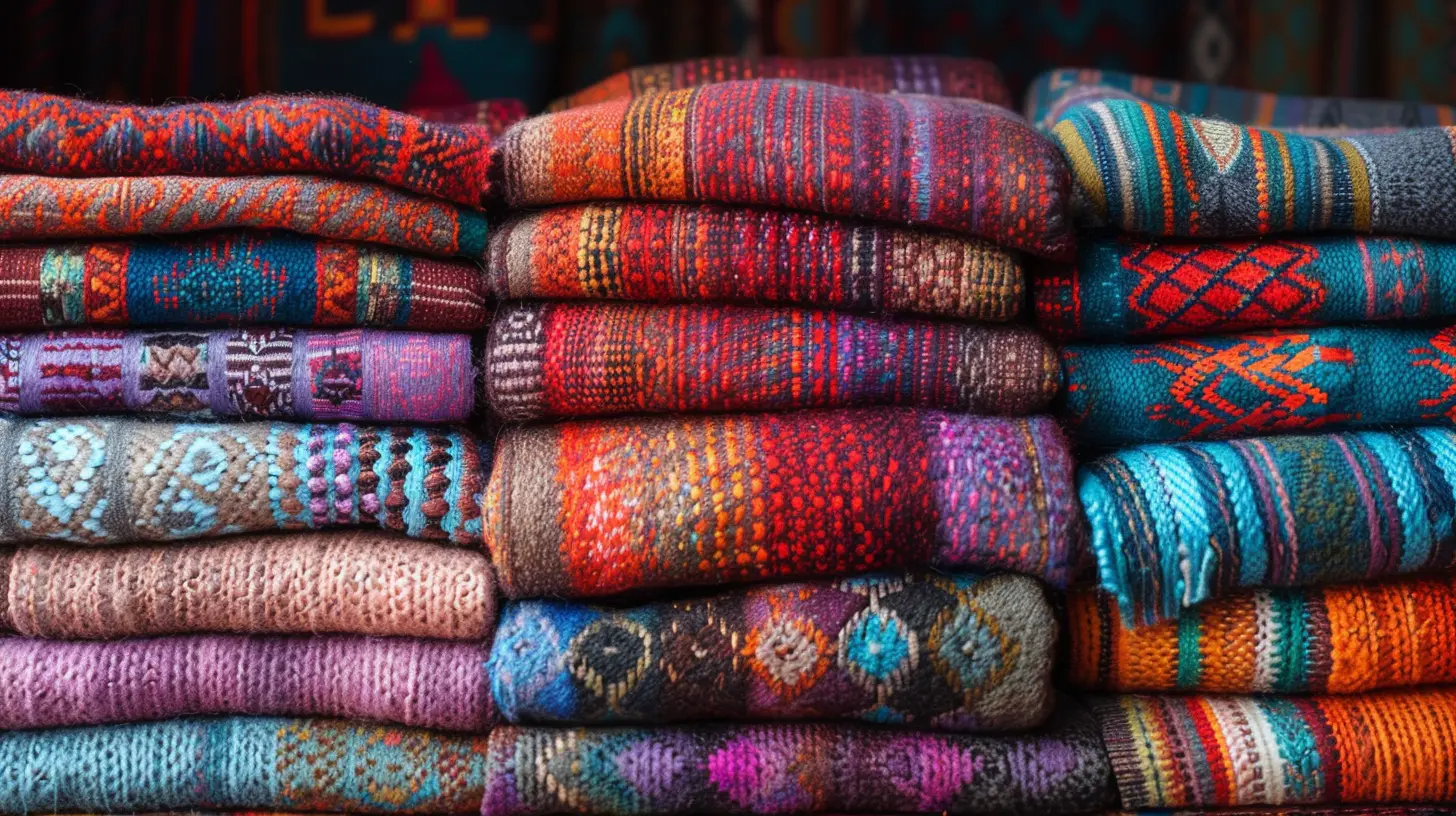
Mercado 16 de Julio – El Alto’s Mega Market
Bolivia’s Flea Market on Steroids
If you thought flea markets back home were big, wait until you step into El Alto’s Mercado 16 de Julio. It’s the largest open-air market in Bolivia and sprawls across dozens of city blocks. You could honestly get lost here—and that’s kind of the point.You can find literally anything here. Used car parts? Check. Vintage video games? Yup. Wedding dresses? Got those too. It’s a chaotic mix of the new, the used, the weird, and the wonderful.
Urban Pulse with Indigenous Beat
What makes it cooler is the massive indigenous presence. El Alto is predominantly Aymara, and that culture pulses through every corner. You’ll hear Aymara music playing from boomboxes, see traditional skirts mixed with Adidas sneakers, and witness a fascinating marriage of ancient and modern.Word to the wise—bring cash, wear comfy shoes, and leave valuables at the hotel. This market is a wild ride.
Mercado Central – Sucre’s Foodie Paradise
Where Flavors Meet Traditions
If you’re more into edible souvenirs, Mercado Central in Sucre is your happy place. While it may look more “normal” compared to the Witches’ Market, it’s a feast for the senses.Picture rows of tropical fruits you’ve never seen before, fresh cheese blocks wrapped in banana leaves, women selling juices made from papayas the size of your head, and more varieties of potatoes than you ever thought possible (shout out to the Andes, the land of papas!).
Sit Down and Share a Meal
The food stalls here are legendary. Pull up a stool and order some salteñas (Bolivian savory pastries), a bowl of sopa de mani (peanut soup), or a freshly grilled piece of chorizo chuquisaqueño.If you’re lucky, you’ll get chatting with locals over lunch. In Bolivia, food isn’t just nourishment—it’s an invitation to connect.
Laja Open-Air Market – Ancient Trading Legacy
Where It All Began
Located near La Paz, the small town of Laja is believed to be the original settlement before La Paz was founded. While quieter than other markets, Laja’s open-air market is steeped in history.Traders from highlands and valleys meet here to barter, just like their ancestors did. It feels more like a cultural gathering than a commercial event.
The fascinating part? Many of the transactions still happen through exchange, not money. You might see someone trade potatoes for a bag of cocoa leaves—a living piece of Bolivia's pre-colonial past.
Tarata Artisan Market – Cochabamba’s Hidden Gem
Where Art Meets Authenticity
The sleepy town of Tarata, not far from Cochabamba, hosts an artisan market that flies under the radar—but it’s a treasure trove for craft lovers.Ceramics, hand-stitched leather, embroidered blouses, and silver jewelry flood the stalls. What sets this market apart is the quality. Artisans here care deeply about preserving craftmanship and cultural techniques.
It's quiet, intimate, and refreshingly non-touristy. Imagine strolling through cobblestone streets while sipping freshly squeezed passionfruit juice and admiring decades of skilled artistry laid out on blankets. Try not to fall in love. Just try.
Ayni – The Spirit Behind the Markets
What’s Ayni?
You’ll notice that many of these markets aren’t just places of trade—they’re interwoven with values like reciprocity and community. That’s thanks to an ancient Andean principle called Ayni.Ayni basically means “today for you, tomorrow for me.” It’s at the heart of Andean society and fuels the way Bolivians interact, especially in rural areas. Farmers help each other without expecting immediate payment. Market traders support one another in tough times.
Even as Bolivia modernizes, this value hasn’t disappeared. It’s what makes the energy of its markets feel different—warmer, more human.
Tips for Navigating Bolivia’s Markets
Let’s get practical for a second. You don’t want to show up unprepared, right? Here are a few things to keep in mind:1. Cash Is King: Most vendors won’t take cards. Carry small bills and coins—they make bargaining smoother.
2. Bring a Bag: Eco-friendly tote bags are your friend. You’ll be surprised how much stuff you end up buying.
3. Brush Up on Spanish: Even a few phrases can earn you better prices and bigger smiles.
4. Don’t Just Shop—Talk: Chat with vendors. Ask questions. Their stories are often more valuable than the item you’re buying.
5. Respect the Culture: Especially in spiritual markets like the Witches’ Market, be mindful. Don’t take photos without permission, and ask before handling items.
Final Thoughts – Why These Markets Matter
These aren’t just places to haggle for souvenirs. Bolivia’s markets are cultural mirrors, reflecting its spiritual heartbeat, artisanal soul, and community-first mindset. They capture the essence of a country that’s proudly indigenous, wonderfully weird, and endlessly fascinating.So go ahead—let yourself get lost in the chaos, haggle with a smile, sip some fresh juice, and maybe even buy a lucky llama fetus. After all, in Bolivia, shopping is just another way to travel deeper.
all images in this post were generated using AI tools
Category:
South America TravelAuthor:

Taylor McDowell
Discussion
rate this article
2 comments
Kristy Mathews
Vibrant threads and mystic charms weave Bolivia's heart.
February 7, 2026 at 4:29 PM
Taylor McDowell
Thank you! I'm glad you captured the essence of Bolivia's rich culture and vibrant markets.
Zealot O'Neal
Explore Bolivia's diverse markets for cultural treasures.
January 31, 2026 at 5:25 AM
Taylor McDowell
Thank you! Bolivia's markets truly offer a vibrant glimpse into its rich culture and traditions.