Where Tea Meets Tradition: A Traveler’s Journey in China
20 March 2026
China, the land of ancient dynasties, towering mountains, and bustling cities, is also the birthplace of something that has shaped cultures around the world—tea. For centuries, tea has been more than just a drink in China; it’s an art, a philosophy, and a way of life. If you’re a traveler with a love for culture and a good cup of tea, then buckle up because we’re about to take a journey where tea meets tradition.
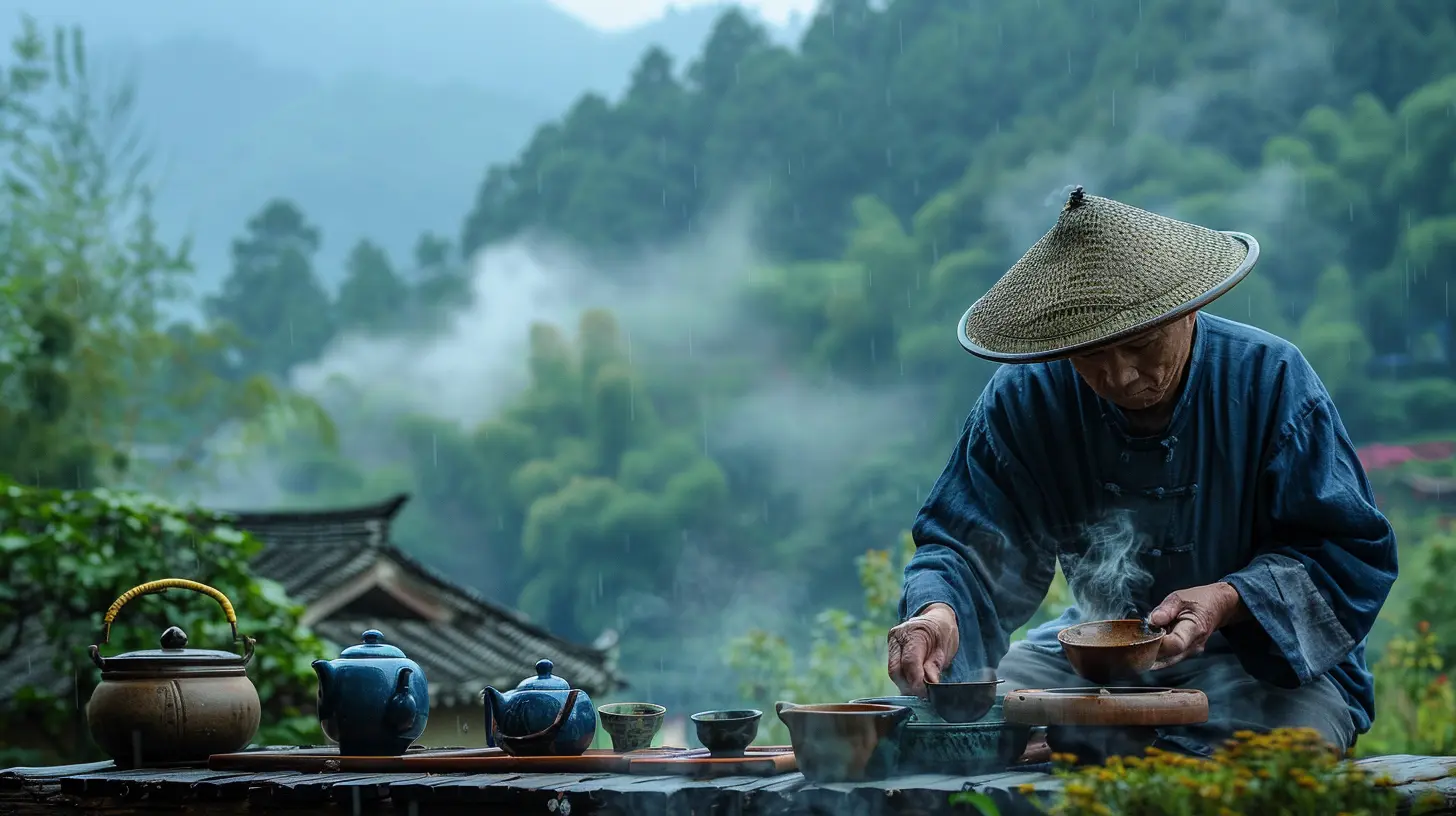
The Heart of Tea Culture: A Brief History
Before we sip our way through China, let’s start with a little backstory. Legend has it that Emperor Shen Nong, back in 2737 BC, discovered tea when leaves accidentally fell into his boiling water. Whether that’s fact or folklore, one thing is certain—China has been perfecting tea for millennia.Tea played a crucial role in Chinese society, evolving from a medicinal remedy to a symbol of hospitality, wisdom, and even spirituality. During the Tang and Song dynasties, tea culture flourished, influencing literature, art, and philosophy. Today, it remains deeply embedded in daily life, from simple home brews to elaborate tea ceremonies.
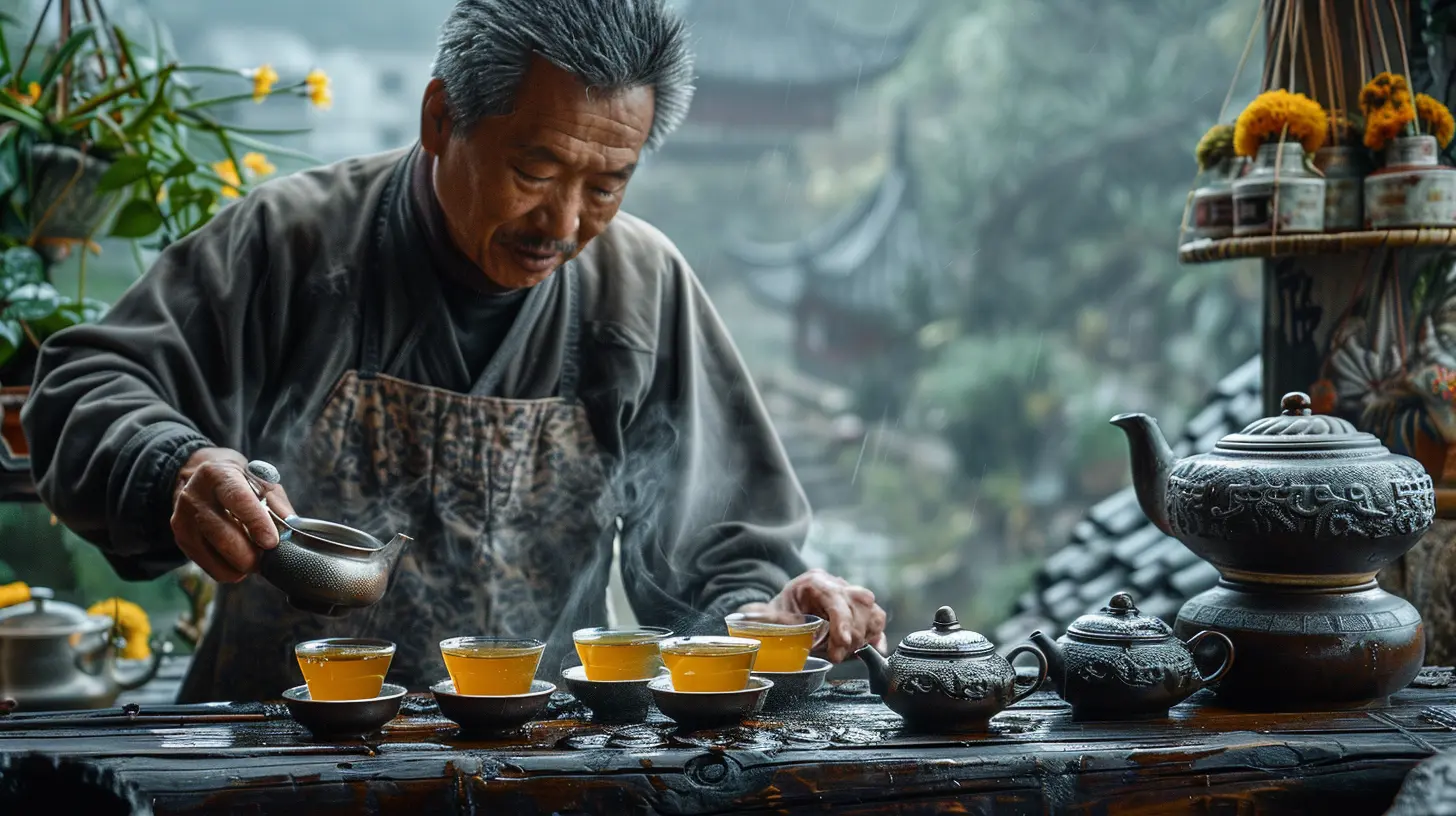
The Birthplace of Tea: Yunnan Province
If you want to truly understand tea, Yunnan is where you start. Known as the “cradle of tea,” this southwestern province is home to the ancient Pu-erh tea, a fermented variety that ages like fine wine.What Makes Yunnan Tea Special?
- The region’s high altitudes and misty mountains create the perfect environment for growing rich, full-bodied tea.- Some tea trees here are over a thousand years old—imagine sipping from the same leaves that emperors once enjoyed!
- Pu-erh tea undergoes a unique fermentation process, giving it earthy, deep flavors that improve over time.
One of the best places to experience tea in Yunnan is Xishuangbanna, where you can visit the tea plantations, witness traditional tea-making techniques, and even participate in a tasting session with local tea masters.
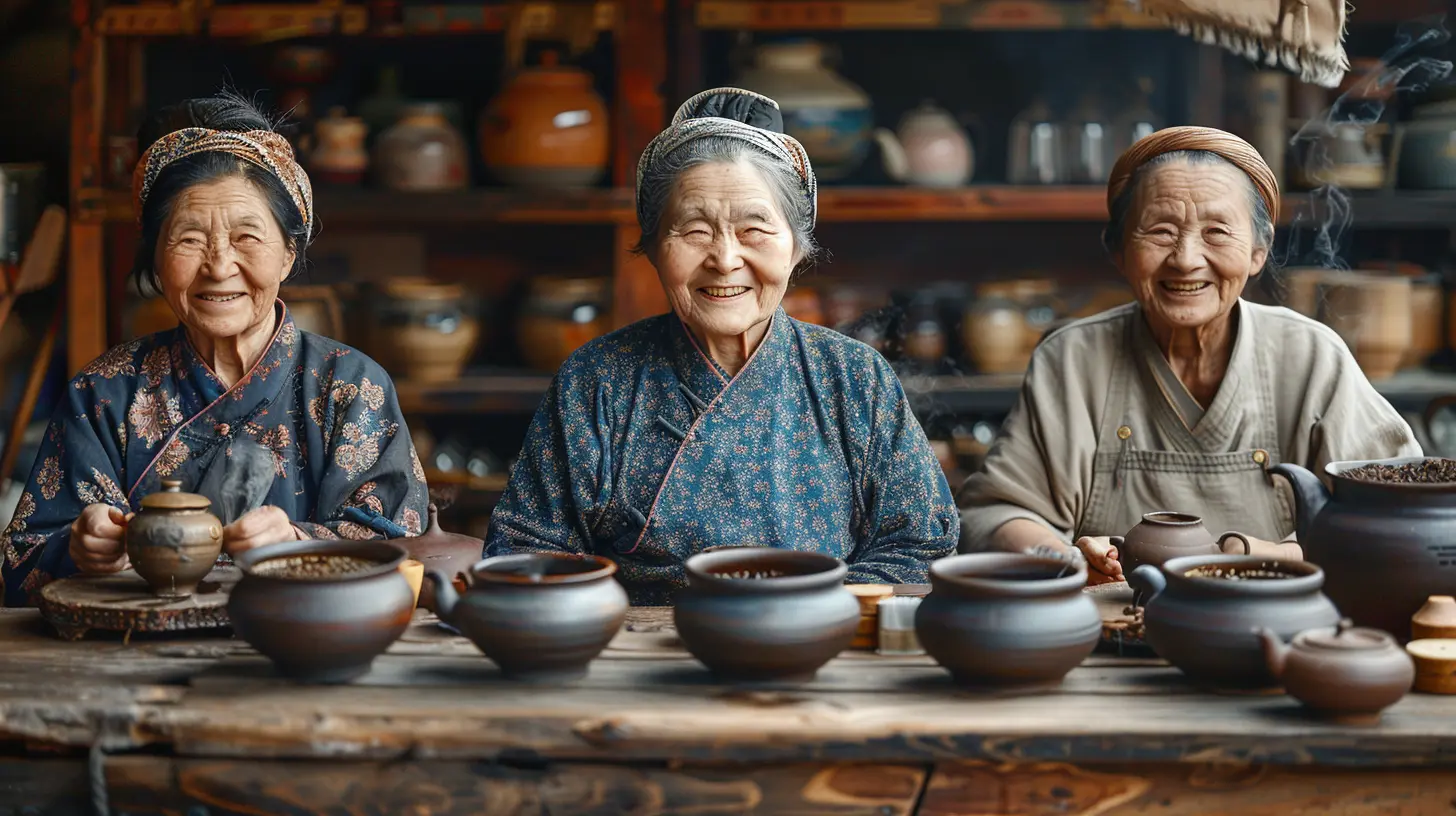
The Art of Tea in Hangzhou
No trip through China’s tea culture is complete without a visit to Hangzhou, home to the world-famous Longjing (Dragon Well) tea. This green tea variety is highly prized for its delicate flavor and refreshing aroma.Must-Visit Spot: Meijiawu Tea Village
Tucked away in the rolling hills of Hangzhou, Meijiawu Tea Village is a dream for tea lovers. Here, you can:- Walk through lush tea fields and learn the art of hand-picking tea leaves.
- Watch farmers pan-fry the leaves in huge woks—yes, every leaf is fried by hand!
- Sip freshly brewed Longjing tea while enjoying breathtaking views of the countryside.
Hangzhou’s tea culture isn’t just about the drink; it’s a lifestyle. Locals believe in “slow living,” often spending hours sipping tea and chatting with friends.
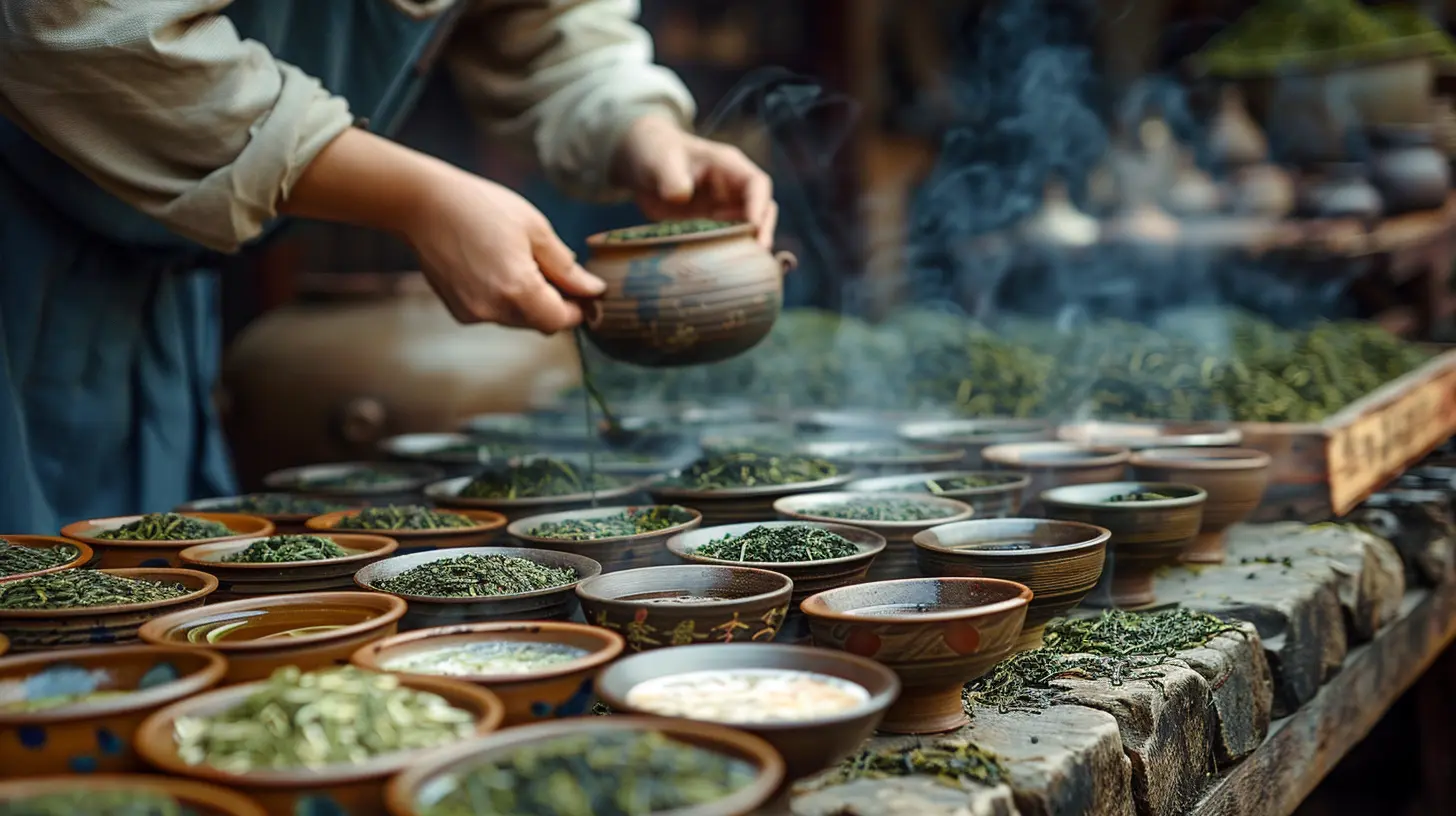
The Elegance of Chinese Tea Ceremonies
In China, drinking tea isn’t just about quenching thirst—it’s an experience. This is where the Gongfu Tea Ceremony comes in. Originating from Fujian and Guangdong, this ceremony is all about precision, patience, and appreciation.What’s So Special About Gongfu Tea?
- Every step, from rinsing the leaves to pouring tea, is done with care and grace.- Tiny teacups are used so you can savor each sip.
- The aroma, color, and taste are analyzed, making it a mindful practice rather than just a casual drink.
Want to experience an authentic tea ceremony? Head to Chengdu’s Shufengyayun Teahouse, where you can enjoy tea-pouring performances paired with Sichuan opera face-changing shows.
The Ancient Tea Horse Road: A Journey Through Time
Imagine a time when tea wasn’t just delivered in packages but carried on horseback through treacherous mountain paths. That’s the story of the Ancient Tea Horse Road, China’s version of the Silk Road, where tea was traded for horses and other goods.Walking in the Footsteps of Ancient Traders
- This legendary route stretched across Yunnan, Sichuan, and Tibet, connecting tea-producing regions with markets beyond China.- Some sections of the road still exist today, and you can hike through villages that have preserved tea traditions for centuries.
- In Shangri-La, you can witness Tibetan communities brewing butter tea, a unique blend of tea, yak butter, and salt.
For history buffs and adventure seekers, trekking the Tea Horse Road offers a rare glimpse into China’s past while indulging in some incredible tea along the way.
Modern Tea Houses: Where Tradition Meets Trend
Tea culture in China isn’t just about ancient traditions. In big cities like Beijing and Shanghai, modern tea houses are redefining how people enjoy tea.Trendy Tea Spots to Check Out
- TRiO Tea & Co. (Beijing): A stylish tea bar that serves creative tea-based cocktails.- Song Fang Maison de Thé (Shanghai): A charming blend of Chinese and French tea-drinking traditions.
- Heji Teahouse (Guangzhou): A contemporary space where tea meets minimalism and art.
These new-age tea houses prove that while traditions remain strong, tea culture is also evolving with the times.
Bringing China’s Tea Culture Home
So, after drinking your way through China, how do you bring a piece of it home?- Purchase authentic tea from trusted markets like Hangzhou’s Hefang Street or Kunming’s Tea Wholesale Market.
- Invest in a traditional clay teapot (Yixing teapots are the best for enhancing flavors).
- Practice the art of slow tea drinking—take time to savor each sip, just as the Chinese do.
Whether you develop a love for Pu-erh, Longjing, or a simple jasmine tea, one thing’s for sure—your tea-drinking habits will never be the same again.
Final Thoughts
Traveling through China’s tea culture is more than just a journey for the palate—it’s an immersion into thousands of years of history and tradition. Each cup tells a story, each leaf carries a legacy, and each sip connects you to a way of life that values mindfulness and appreciation.So the next time you brew a cup of tea, take a moment. Close your eyes, inhale the aroma, and remember—it’s not just tea; it’s a tradition that has traveled through time, waiting to be shared.
all images in this post were generated using AI tools
Category:
Foodie TravelAuthor:

Taylor McDowell
Discussion
rate this article
2 comments
Karen McClintock
Immerse yourself in China's rich tea culture; each sip tells a story of tradition, connection, and the artistry of life.
April 10, 2026 at 3:34 AM
Taylor McDowell
Thank you! I'm thrilled you appreciate the depth of China's tea culture. Each sip truly is a journey through history and artistry!
Gwen McKinnon
Discover China's soul through its tea—every sip tells a story!
March 29, 2026 at 2:33 PM
Taylor McDowell
Thanks for capturing the essence of tea in China! Each cup truly holds a deep connection to its culture and history.