Where to Witness Ancient Harvest Festivals in Eastern Europe by 2026
7 May 2026
You know that feeling when summer starts to fade, and the air gets that crisp, golden edge? It's not just a season change-it's a signal. For thousands of years, people across Eastern Europe have answered that signal with fire, feasting, and a whole lot of gratitude. These aren't your generic pumpkin-spice harvest fairs. We're talking about ancient rituals that predate Christianity, rooted in pagan cycles of death and rebirth, where communities still dance with torches, bake bread from the first grain, and thank the earth for another full belly.
If you're planning a trip for 2026, you've got a unique window. Many of these festivals have survived war, modernization, and even Soviet suppression. But they're fragile. The older generation who knows the chants and the steps is getting smaller. So let's get you to the right place at the right time, before these traditions become museum exhibits instead of living celebrations. I'll take you through the most authentic spots, the dates you need to mark, and the local quirks that make each one unforgettable.
Why 2026 Is the Perfect Year for This Journey
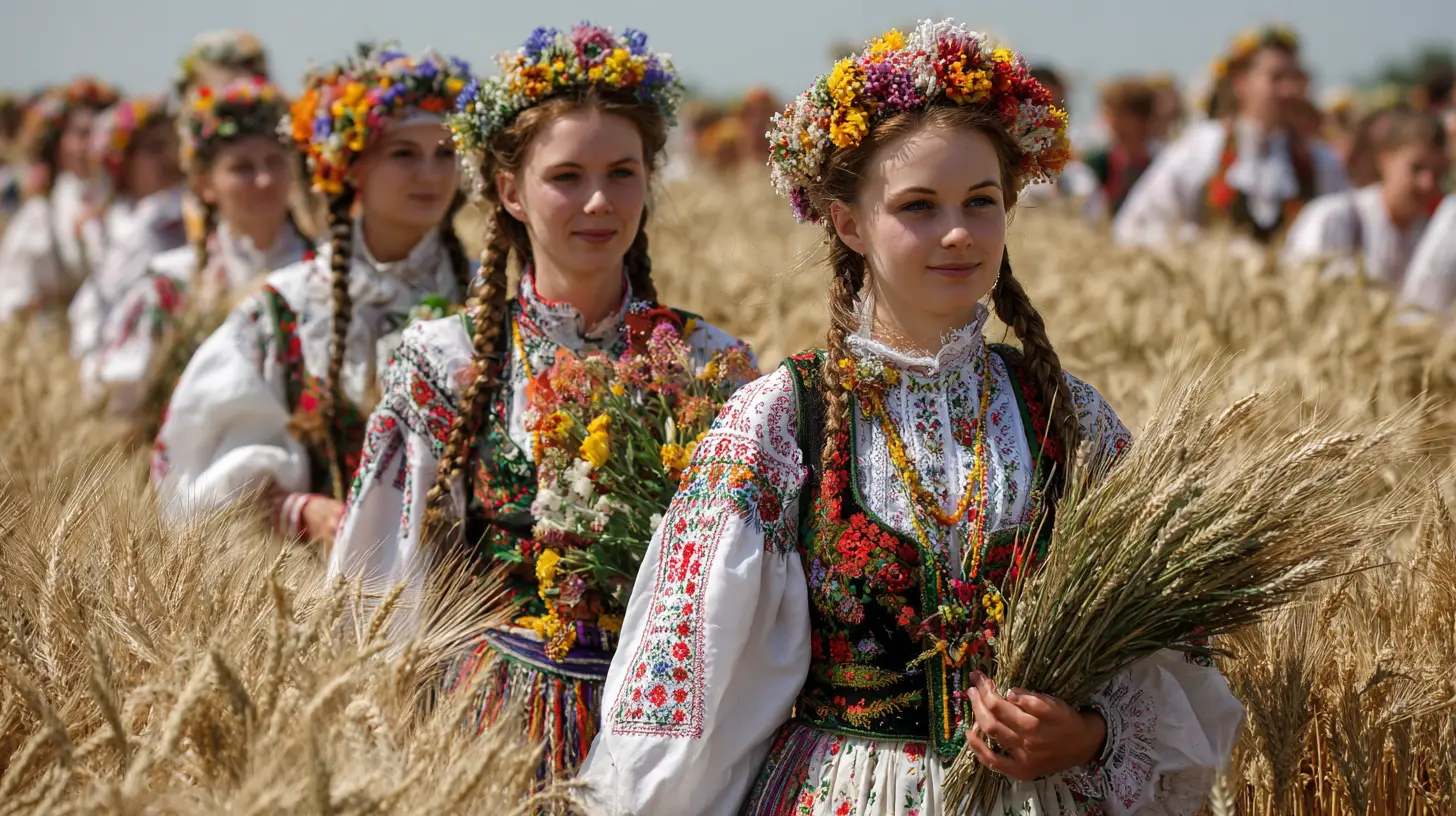
Let's be real-travel in 2024 and 2025 has been a bit of a wild ride. Prices are up, crowds are unpredictable, and everyone's chasing the same Instagram spots. But 2026? That's the sweet spot. By then, many rural Eastern European communities have rebuilt their tourism infrastructure after the pandemic shocks. You'll find smaller groups, more intimate experiences, and locals who are genuinely excited to share their heritage rather than just sell you a souvenir.Plus, there's a quiet movement happening. Young people in places like Romania, Bulgaria, and Lithuania are reviving old customs as a form of cultural resistance. They're not just putting on a show for tourists-they're re-learning forgotten songs, making traditional costumes from scratch, and inviting outsiders to witness the real deal. You're not a spectator here; you're a guest at a family table that's been set for centuries.
The Granddaddy of Them All: Dozhinki in Belarus and Russia
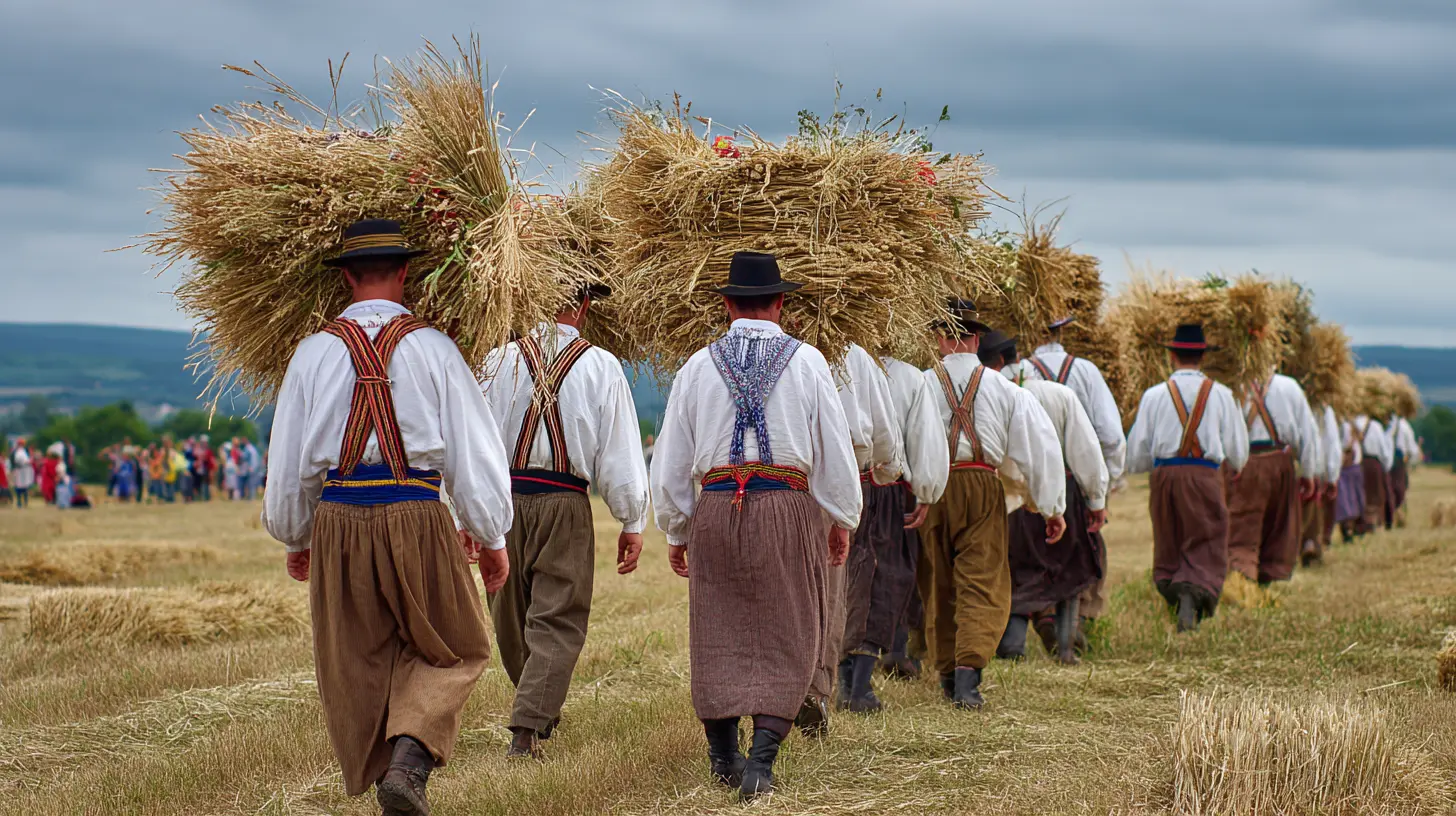
Let's start with the heavyweight. Dozhinki-or "dozhynky" in Ukrainian-is the Slavic harvest home festival. It's the moment when the last sheaf of grain is cut, and the whole village breathes a collective sigh of relief. In Belarus, this is a state-level celebration, but the real magic happens in small villages like Budslau or the region around Mir Castle.What to expect: Picture a long table stretching down a dirt road, covered in rye bread, pickled mushrooms, and homemade kvass. Women in embroidered linen dresses weave wreaths from the last stalks of wheat. Men compete in scything contests that look more like a dance than work. The highlight? The "last sheaf" is dressed up like a doll, carried through the village, and then placed in a place of honor until spring planting. It's bizarre, beautiful, and deeply moving.
For 2026, aim for late August to mid-September. The exact date depends on the harvest, but the Belarusian Ministry of Culture usually announces the main event in early August. Just be aware: travel to Belarus can be tricky right now due to geopolitical tensions. If you're not up for that, head to the Russian regions of Pskov or Vologda, where Dozhinki is smaller but more intimate. You'll need a local guide to find the right village, but trust me, it's worth the hunt.
The Romanian "Culesul Viilor" and the Transylvanian Grape Harvest
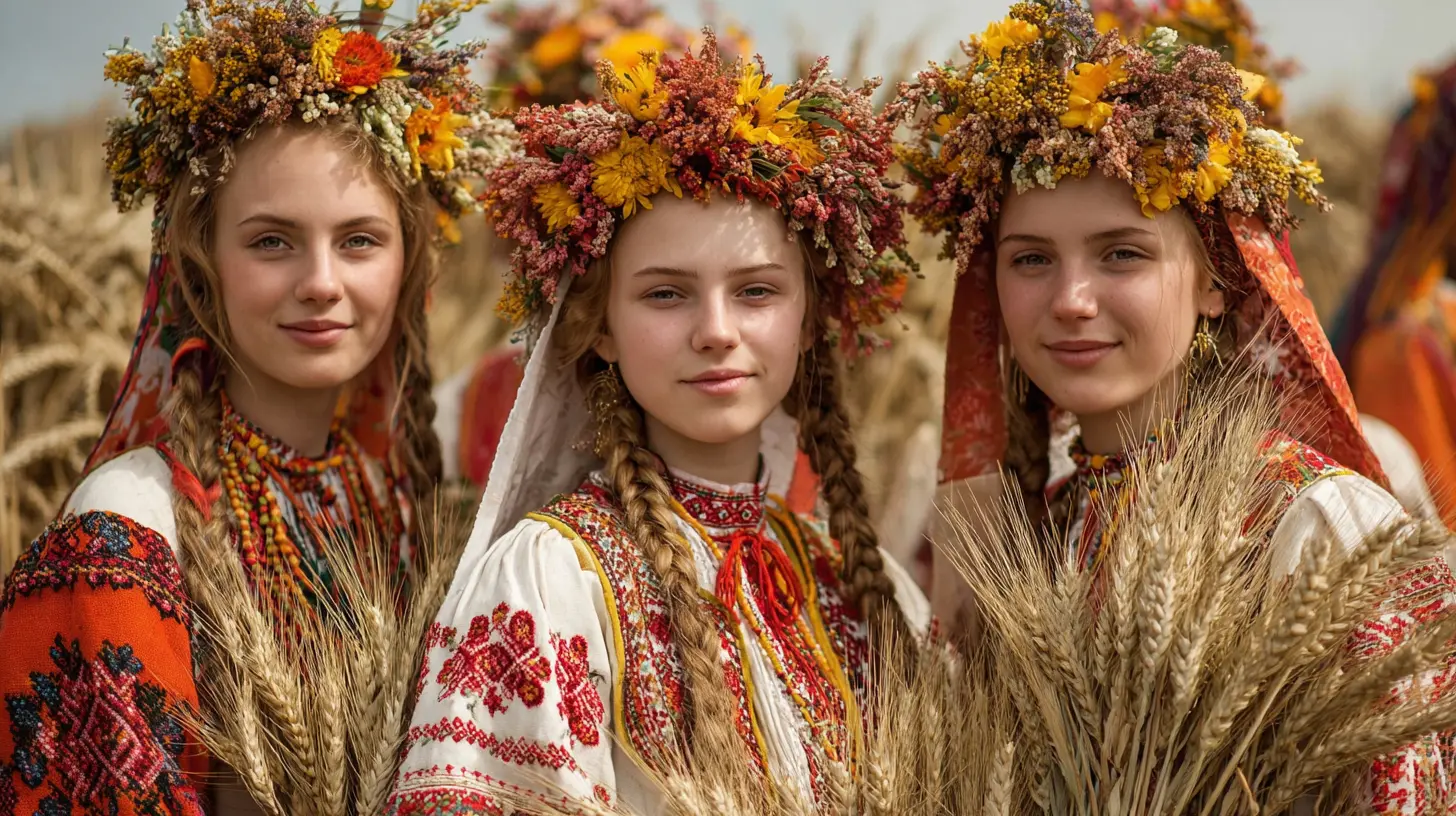
Romania doesn't mess around when it comes to wine. The grape harvest, or "Culesul Viilor," has been happening since the Dacian tribes were stomping grapes in the Carpathian foothills. But the most ancient version of this festival is in Transylvania, specifically in the villages around Alba Iulia and Tarnave.Here's the thing: this isn't a slick wine-tasting tour. You'll be walking through terraced vineyards that look like they were carved by giants. Locals still use wooden presses that are older than your great-grandparents. The festival starts with a priest blessing the first grapes-even in secular villages, this tradition holds. Then comes the "stomp." Yes, you can join in. Expect purple feet for days.
The real gem is the evening party. Villagers light bonfires, roast whole pigs on spits, and pour wine from barrels that have been aging since the 1990s. The music? Traditional "doina" ballads that sound like a mix of longing and celebration. If you're lucky, you'll hear a "hora" dance circle form. It's hypnotic-everyone links arms, steps in a slow rhythm, and the circle keeps growing until the whole field is spinning.
For 2026, the grape harvest generally peaks in late September to early October. Check local tourism pages for the village of Jidvei or the smaller Crăciunelu de Jos. These spots are off the main tourist trail, so you'll need to book accommodation in advance-there's only one guesthouse in some of these places.
The Baltic "Rugi" Festival in Latvia and Lithuania
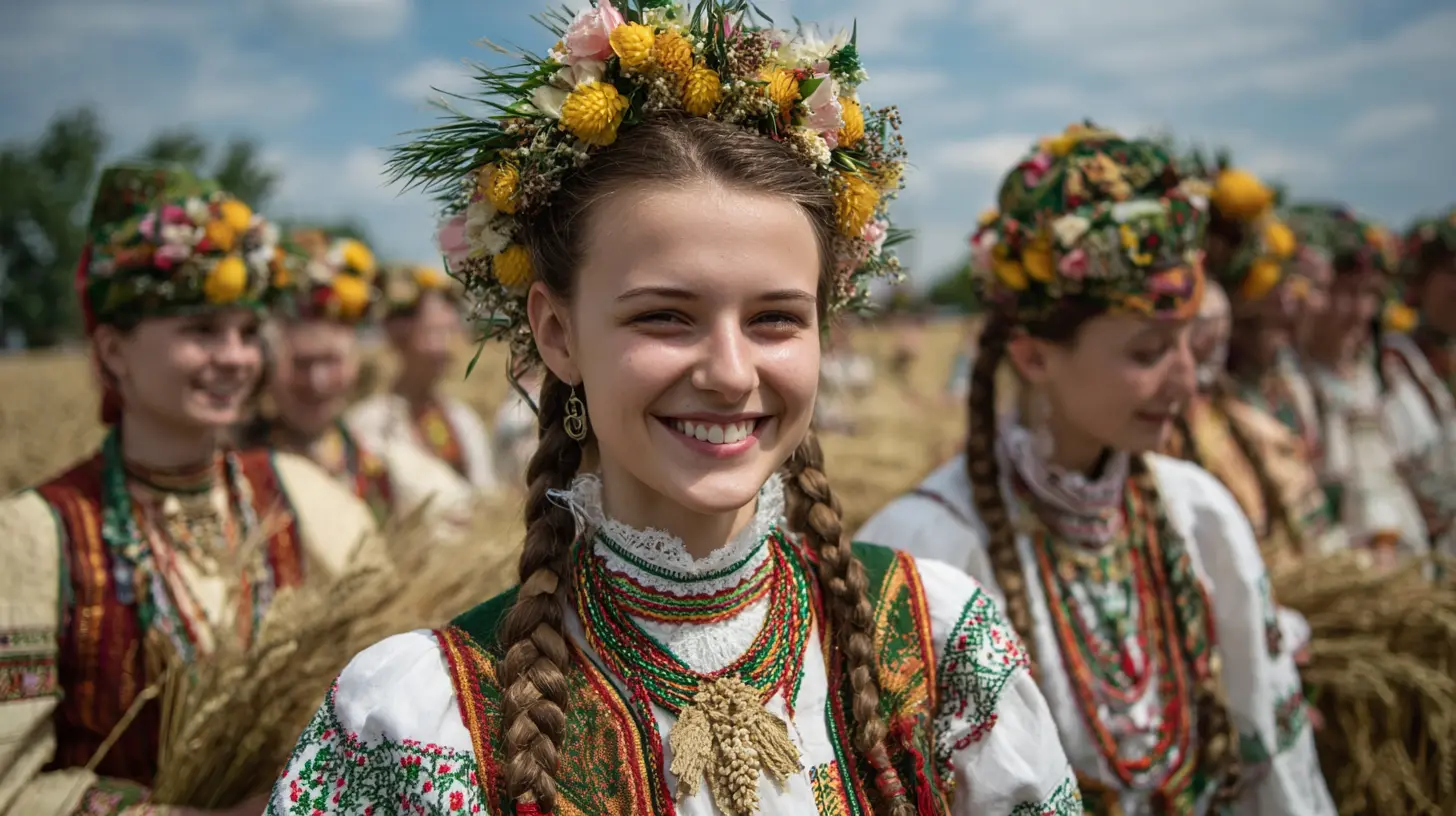
Now let's go north, where the harvest is shorter and the nights are already getting dark. In Latvia, the "Rugi" (rye) festival is a deeply pagan affair. Rye was the staff of life here-bread, beer, and even roofing material came from it. The festival marks the end of the rye harvest, and it's held in the ancient "sēta" (farmsteads) of the Latgale region.What makes this unique? The bread. Women bake "rupjmaize" (dark rye bread) in outdoor ovens, and the whole process is a ritual. The dough is kneaded with songs, shaped into loaves that look like sun wheels, and baked with juniper branches for smoke flavor. You don't just eat this bread-you tear it with your hands and dip it in honey or salt as a symbol of life's sweetness and struggle.
The festival also includes "Jāņi" elements-the summer solstice traditions that have been adapted for the harvest. Expect wreaths of oak leaves, jumping over bonfires (yes, really), and drinking "alus" (homebrewed beer) from communal wooden bowls. The Latvians are reserved people, but once the beer flows, they'll pull you into a dance called "līgo" that's part polka, part trance.
For 2026, the Rugi festival usually falls in the first two weeks of September. The best place to catch it is the Ethnographic Open-Air Museum in Riga, but for a more authentic experience, head to the village of Rēzekne. The locals there still speak Latgalian, a language that's older than Latvian itself.
The Bulgarian "Kurban" and the Thracian Harvest Roots
Bulgaria is a treasure chest of ancient harvest customs, but the most striking is the "Kurban" festival. This one has Thracian roots-yes, that's the same culture that gave us the famous gold treasures. Kurban is a ritual sacrifice and feast, usually involving a lamb or a goat, cooked in a massive cauldron over an open fire.Don't let the word "sacrifice" freak you out. It's not violent or gory. The animal is treated with respect, blessed, and then cooked for hours with vegetables and herbs. The resulting stew is shared with the entire community, including travelers. The message is simple: what we have, we share. It's a powerful reminder of a time when survival depended on cooperation.
The festival is tied to the harvest of grapes and vegetables, so it happens in late September. The best place to see it is the Rhodope Mountains, in villages like Shiroka Laka or Momchilovtsi. These are high-altitude communities where the air is thin and the traditions are thick. You'll also hear "gaida" (bagpipes) playing haunting melodies that echo through the valleys. It's the kind of sound that makes you want to sit down and cry, even if you're not sure why.
Important tip: Bulgarians nod for "no" and shake their heads for "yes." It's confusing, but you'll get the hang of it. And when they offer you a glass of "rakia" (fruit brandy), accept it. It's rude to refuse, and it's the best way to warm up on a chilly September evening.
The Polish "Dożynki" and the Village Competitions
Poland's "Dożynki" is similar to the Belarusian version, but with a distinctly Polish flair. It's a national holiday in many rural areas, but the real action is in the villages of Podlasie or the Kashubian region near the Baltic Sea. Here, the festival is a competition.Villages compete to create the most elaborate wreath from wheat, rye, and wildflowers. These wreaths can be as tall as a person and are shaped like crowns, crosses, or even churches. The winner gets bragging rights for the entire year. Then there's the bread competition: who can bake the most perfect loaf, with a crust so golden it looks like the sun?
The whole event is a riot of color and noise. Farmers bring their best livestock for judging, children run around with painted faces, and grandmothers sell homemade "pierogi" with fillings you've never imagined-like buckwheat and mushroom or plum and cinnamon. The music is a mix of accordion and fiddle, and the dancing goes until the bonfire burns down to embers.
For 2026, Dożynki happens in the last weekend of August or the first weekend of September. The village of Szymbark in Kashubia is a great choice-they have a special "upside-down house" attraction that's weird but fun. But if you want the most traditional experience, head to the Białowieża Forest region. The locals there still speak a dialect that sounds like Old Polish, and the forest itself feels like a living myth.
The Ukrainian "Obzhynky" in the Carpathians
Ukraine's harvest festival, "Obzhynky," is a story of resilience. Even during the war, villages in the Carpathian Mountains have kept this tradition alive. It's a quiet, intimate affair compared to the massive state-sponsored events elsewhere. But that's exactly why it's special.The festival centers on the "snip" - the last sheaf of wheat, which is decorated with ribbons and dried flowers. Women sing "obzhynkovi" songs that are so old, the words are barely understood anymore. They're full of metaphors about the sun, the rain, and the earth as a mother. Then the sheaf is placed in the corner of the barn, where it will stay until the next planting season. It's a promise that the cycle will continue.
The Carpathian version is especially beautiful because it's held in the "kolomyika" style-dancing in a circle with rapid footwork that looks like a cross between a jig and a tap dance. The men wear embroidered "vyshyvanka" shirts, and the women wear flower crowns that are so thick you can barely see their hair.
For 2026, the safest bet is the Ivano-Frankivsk region, particularly the villages around the Hutsul region like Verkhovyna or Yaremche. These areas are far from the front lines and have a strong tourism infrastructure. Just be respectful: Ukrainians are dealing with a lot right now. If you visit, you're not just a tourist-you're a witness to a culture that refuses to be erased.
Practical Tips for the Harvest Festival Traveler
Alright, you've got the destinations. Now let's talk logistics. First, learn a few phrases in the local language. "Thank you" in Romanian is "mulțumesc," in Polish it's "dziękuję," and in Latvian it's "paldies." Even a clumsy attempt will open doors. Locals will appreciate that you're not just another camera-toting visitor.Second, dress appropriately. These are rural events. Wear sturdy shoes-you'll be walking on dirt, grass, and maybe mud. Bring a jacket, even in September. Eastern European evenings get cold fast. And leave your fancy clothes at home. The locals will be in their traditional costumes, but you'll look out of place in designer labels. Go for layers, earth tones, and a willingness to get a little dirty.
Third, bring cash. Many of these villages don't have card readers. You'll want to buy bread, honey, or a hand-carved wooden spoon from a grandmother who's been doing it for 60 years. That's not just a souvenir-it's a connection.
Finally, be patient. These festivals are not on a strict schedule. The harvest doesn't care about your flight. Things start when the bread is ready, when the priest arrives, or when the wine has finished fermenting. Embrace the chaos. That's the whole point.
Why These Festivals Matter More Than Ever
We live in a world of instant gratification. You can get strawberries in December and watch a 4K video of a harvest festival from your couch. But nothing replaces the smell of woodsmoke, the taste of bread still warm from the oven, or the feeling of holding hands with a stranger in a dance circle that's been spinning for a thousand years.These ancient harvest festivals are a reminder that we're all still tied to the land, whether we like it or not. They're a celebration of survival, of community, and of the simple, profound act of putting food on the table. By 2026, some of these traditions might have shifted again. But if you go now, you'll catch them in a moment of authenticity that's becoming rare.
So pack your bags. Mark your calendar. And get ready to eat, dance, and give thanks the old way. You won't regret it.
all images in this post were generated using AI tools
Category:
Local TraditionsAuthor:

Taylor McDowell
Discussion
rate this article
1 comments
Celine Howard
What a wonderful guide! Ancient harvest festivals truly capture the spirit of community and tradition. Visiting these events will surely offer unforgettable experiences and insights into the rich cultures of Eastern Europe. Happy travels!
May 10, 2026 at 4:35 AM