Why Camping Is the Perfect Digital Detox for 2027
4 May 2026
Let me paint you a picture. It's 2027. You wake up, and the first thing you do is grab your phone. You check notifications, scroll through doom-and-gloom headlines, and reply to a work email that could have waited until Tuesday. Sound familiar? Now imagine waking up to the sound of birds, the smell of pine, and the only notification being the sun creeping over the horizon. That's camping. And honestly? It might be the best thing you do for your brain this year.
We are living in a world where our devices have become extra limbs. The average person touches their phone over 2,600 times a day. By 2027, that number is probably higher. Screens are everywhere-on your wrist, in your car, even in your fridge. But here's the kicker: our brains weren't built for this constant buzz. We need a break. Not a quick five-minute meditation app break, but a real, full-on escape. And camping? It's the ultimate reset button.
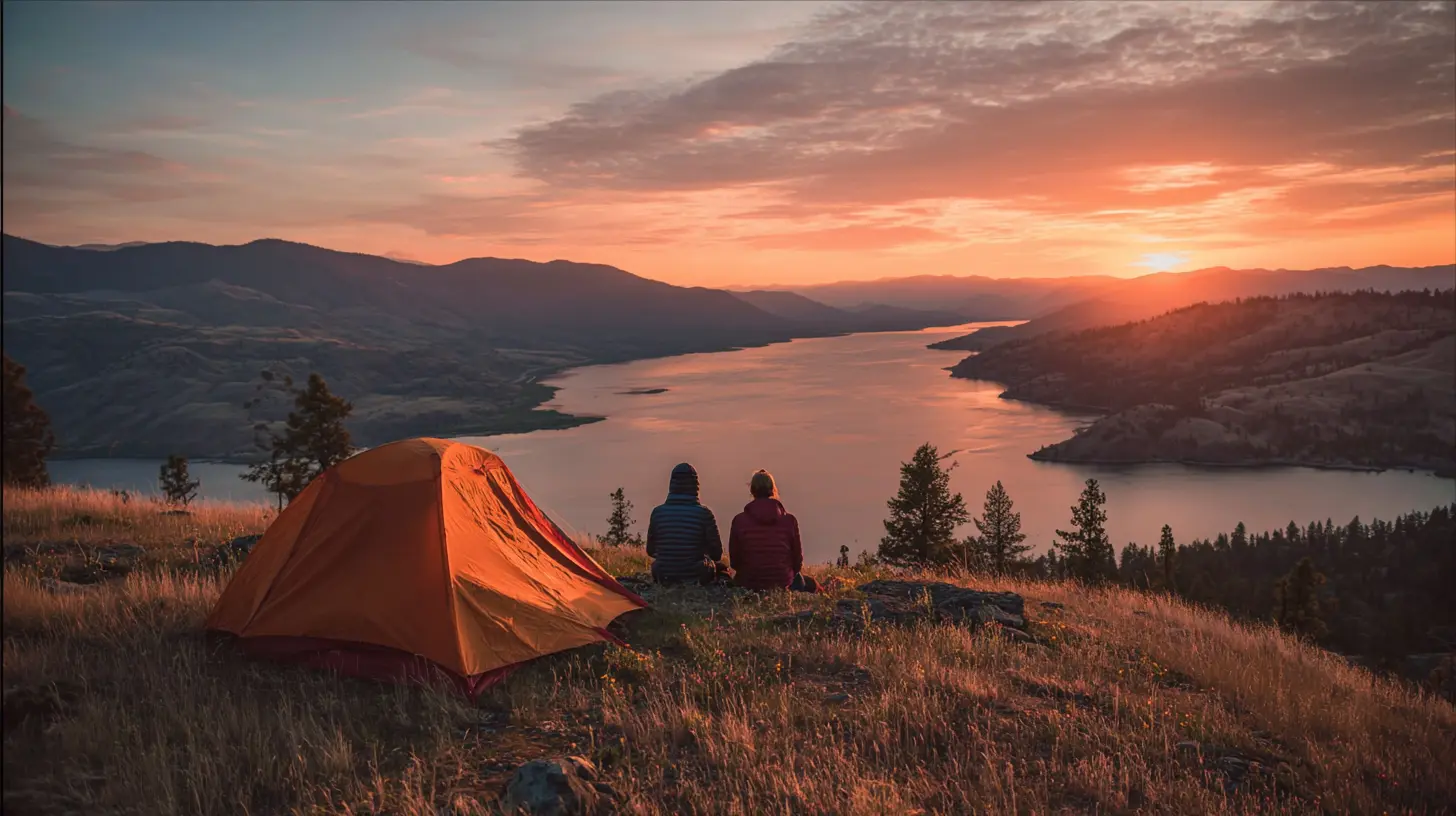
The Science of Screen Fatigue (And Why Nature Wins)
You don't need a PhD to know that staring at a screen all day makes you feel like a zombie. But let's get nerdy for a second. Blue light from screens messes with your melatonin, the hormone that helps you sleep. That's why you feel wired at 11 PM after binging a show. Camping flips the script. When the sun goes down, your body naturally starts producing melatonin because, well, it's dark. No artificial lights tricking your brain into thinking it's noon.But it's not just about sleep. Your brain has something called the "default mode network." It's the part of your brain that wanders, daydreams, and makes creative connections. Screens hijack this network by constantly feeding you new stimuli. Camping? It forces your brain to slow down. You stare at a campfire, and your mind just... drifts. That's not laziness. That's cognitive restoration. Think of it like defragmenting a hard drive. Your brain needs that downtime to work properly.
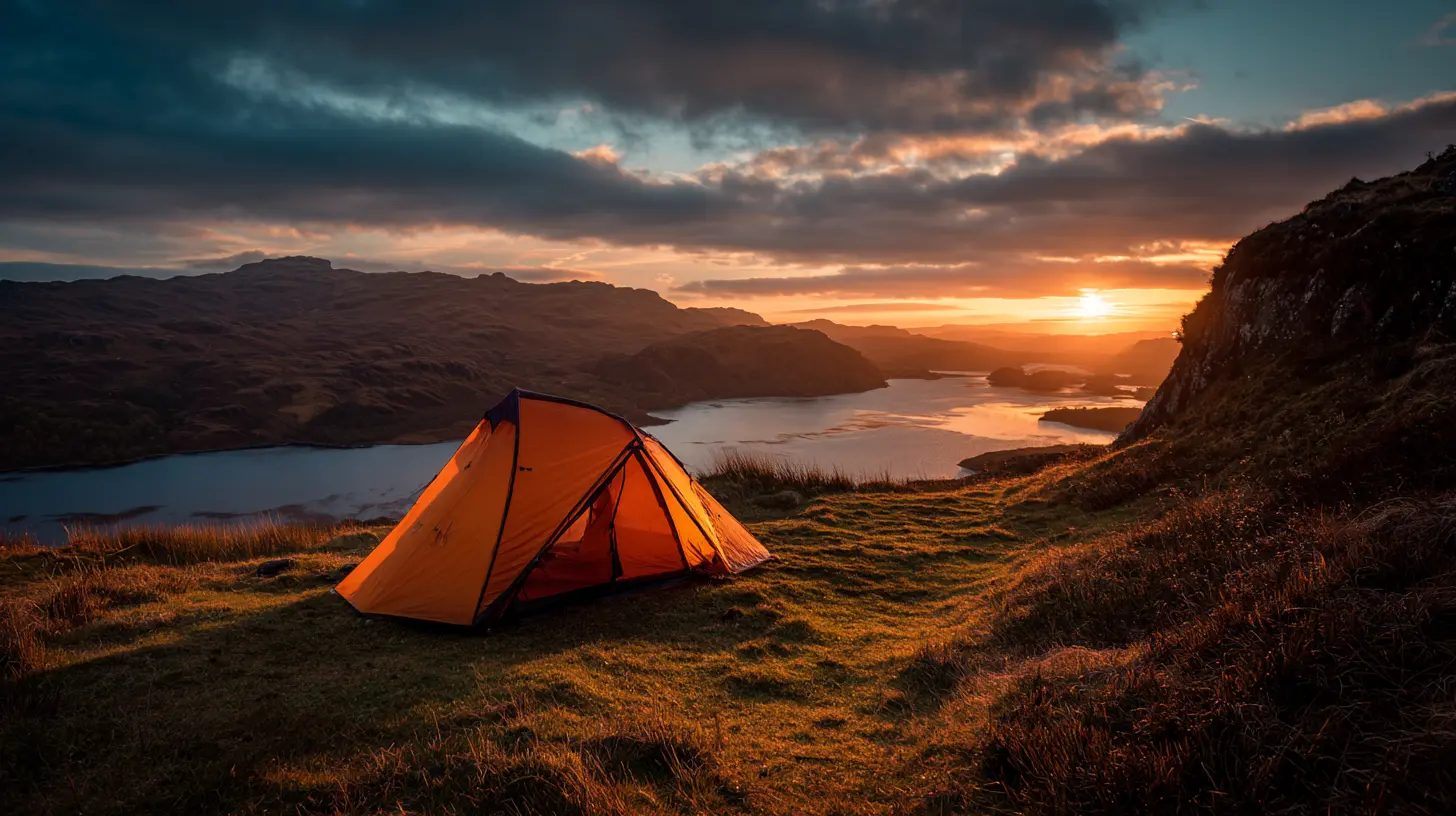
Why 2027 Is the Year of the Unplugged Escape
Look at the trends. By 2027, remote work is the norm. Everyone is "always on." Zoom calls blur into dinner time. Slack messages invade weekends. The line between work and life is so thin it's basically invisible. That's why digital detox isn't a luxury anymore-it's a survival skill. Camping offers a clean break. No Wi-Fi. No cell service (or spotty at best). You can't check your email because there's literally no signal. And that's the whole point.Plus, camping gear has gotten ridiculously good. In 2027, you don't need to be Bear Grylls to enjoy the outdoors. Lightweight tents, solar-powered gadgets (if you must bring them), and comfy sleeping pads make it accessible. You can camp in a state park, a national forest, or even your own backyard if you're desperate. The barrier to entry is lower than ever.
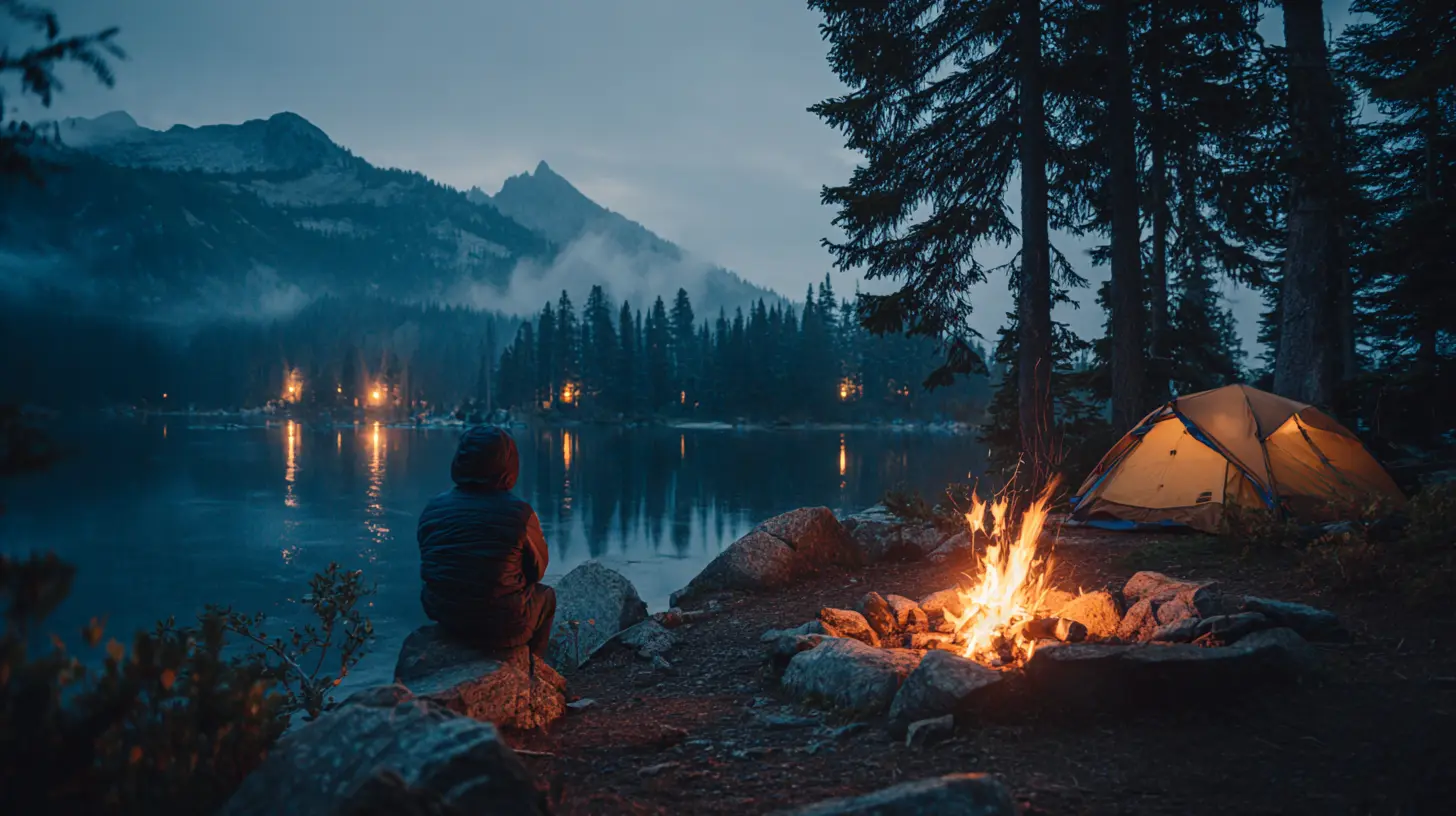
The Unexpected Joy of Boredom
Here's a weird truth: boredom is good for you. When you're camping, there's no Netflix, no TikTok, no endless scrolling. You have to sit with your thoughts. At first, it feels uncomfortable. You might find yourself reaching for your pocket instinctively. But after a day or two, something shifts. You start noticing little things-the way smoke curls from a fire, the pattern of stars, the sound of a stream. Your brain stops racing. You actually think.I remember my first solo camping trip. I brought a book, but I barely read it. Instead, I spent two hours trying to start a fire with wet wood. I failed. Then I sat there, staring at the embers, and realized I hadn't thought about work once. That's the magic. When you're forced to be present, you stop worrying about the future or regretting the past. You're just... here.
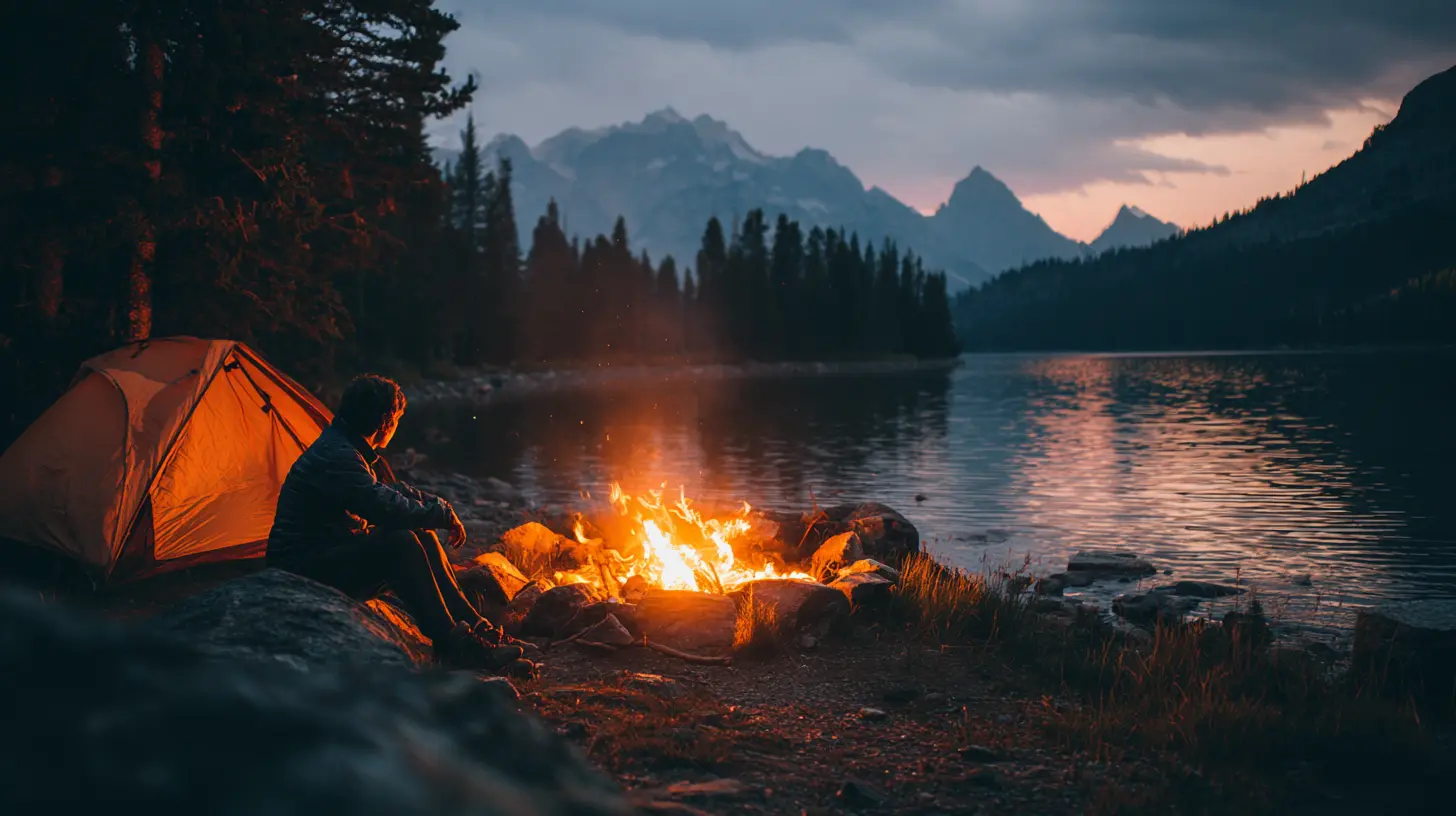
How Camping Rewires Your Social Connections
Weirdly enough, camping is also a social detox. Think about your typical day. You text, you email, you comment on posts. But how much of that is real connection? Camping strips away the digital noise. You talk to people face-to-face. You share a tent. You pass the marshmallows. There's no "seen" receipt, no passive-aggressive emoji. It's raw, unfiltered human interaction.And let's not forget the strangers you meet. Campgrounds have this weird camaraderie. Someone will offer you a beer. A kid will show you a cool rock. You end up having conversations that actually matter, not small talk about the weather. That's because when you're offline, you're more open. Your defenses drop. You're not checking your watch every five minutes.
The Physical Benefits Nobody Talks About
Digital detox isn't just mental. It's physical too. When you camp, you move. You hike, you chop wood, you set up a tent. You're not hunched over a laptop for eight hours. Your posture improves. Your back stops aching. And the fresh air? It does wonders for your lungs. City air is full of pollutants. Camping air is basically nature's inhaler.Plus, there's the vitamin D. Sunlight boosts your mood and helps your body produce serotonin. That's the happy chemical. Compare that to sitting in a fluorescent-lit office, and it's no contest. Even a weekend of camping can reset your circadian rhythm. You'll sleep better for weeks afterward. I'm not making this up. Studies show that just two days in nature can lower cortisol levels by 20%. That's real, measurable stress reduction.
How to Do a Digital Detox Camping Trip (Without Cheating)
Okay, so you're sold. But how do you actually do it? Here's the honest truth: it's hard. The first few hours will feel like withdrawal. You'll want to check your phone. You'll feel phantom vibrations. That's normal. The key is to go cold turkey. Leave your phone in the car. Or better yet, leave it at home. Bring a cheap flip phone for emergencies if you must. But no Instagram. No news alerts.Pick a campsite that explicitly has no service. National parks are great for this. Or go somewhere remote like a designated wilderness area. The more inconvenient it is to get signal, the easier it will be to disconnect. And bring analog entertainment. A deck of cards. A journal. A sketchbook. Something that doesn't require a battery.
Also, don't overplan. The whole point is to slow down. If you schedule every minute, you're just replacing one type of busy with another. Leave room for spontaneity. Maybe you take a nap in the middle of the day. Maybe you go for a random hike. The goal is to let the day unfold naturally, not to check off a list.
The 2027 Camping Trend: Glamping vs. Roughing It
Now, I know what you're thinking. "I'm not a camper. I don't want to sleep on the ground." That's fine. In 2027, there's a whole spectrum. On one end, you have glamping-glamorous camping. Think yurts with real beds, gourmet meals, and maybe even a hot tub. It's a softer version of the digital detox. You still get the nature, but you don't have to rough it.On the other end, you have the hardcore stuff. Backpacking into the wilderness with nothing but a tent and a filter for water. Both work. The key is that you're unplugged. You're not scrolling. You're not responding to emails. You're just existing, outdoors. Pick the level that feels right for you. There's no shame in glamping. The goal is to disconnect, not to prove how tough you are.
Real Stories From the Trail
I talked to a friend who did a week-long canoe trip in the Boundary Waters last summer. She said the first two days were brutal. She kept reaching for her phone to check the weather. After day three, she stopped caring. By day five, she was having deep conversations with her partner about their childhoods. Things they had never talked about in ten years of marriage. That's the kind of connection that happens when you're forced to sit still.Another friend, a tech CEO, goes camping every quarter. He says it's the only time he can think clearly. No board meetings, no investor calls. Just him and a campfire. He's come up with some of his best business ideas while roasting a hot dog. That's not a coincidence. When your brain isn't bombarded with input, it starts making new connections.
The Environmental Bonus
Here's a side benefit nobody mentions: camping makes you care more about the planet. When you spend a weekend in a forest, you start noticing the little things. The way the moss grows on a rock. The sound of a creek. You develop a personal connection to nature. And that connection makes you want to protect it. It's hard to ignore climate change when you're standing in a grove of ancient redwoods.Plus, camping has a smaller carbon footprint than most vacations. No flights. No hotels. Just a tent and a campfire. In a world where sustainability is becoming a bigger deal, camping is one of the most eco-friendly ways to travel. You're not contributing to over-tourism. You're just borrowing a piece of land for a night.
How to Make It a Habit
A single camping trip is great. But the real magic happens when you make it a regular thing. Try a weekend every season. Or even a night a month. The more you do it, the easier it gets. Your brain starts to associate the outdoors with calm. You'll find yourself craving it. And when you come back to the digital world, you'll be more resilient. The notifications won't feel as urgent. The emails won't seem as important.Start small. Find a local campground. Pack a bag. Drive an hour away. Sit by a fire. Do nothing. That's it. No agenda. No goals. Just you and the trees. Trust me, your 2027 self will thank you.
The Bottom Line: You Need This
We are in an era of constant connection. And that connection is draining us. Camping is the antidote. It's not about rejecting technology forever. It's about giving your brain a vacation. A real one. Not a "I'm on vacation but I'm still checking Slack" kind of vacation. A full, unplugged, no-signal reset.So here's my challenge to you. Plan one camping trip in 2027. Just one. Leave your phone in the glovebox. Bring a book, a friend, or just yourself. And see what happens. You might be surprised. You might find that the best conversations happen without a screen. That the best ideas come when you're staring at a fire. That the best version of you is the one who isn't constantly connected.
Go ahead. Pitch that tent. Your brain will thank you.
all images in this post were generated using AI tools
Category:
Camping AdventuresAuthor:

Taylor McDowell
Discussion
rate this article
1 comments
Zarev Gibson
Camping really is the ultimate escape in 2027. It's refreshing to unplug and connect with nature. Just imagine waking up to birds singing and the smell of fresh pine. A weekend away can truly recharge your mind and spirit!
May 11, 2026 at 3:22 PM