Why Romanian Winter Traditions Are Attracting Global Travelers in 2027
17 April 2026
Picture this: it’s a crisp December evening, and you’re not in a crowded mall listening to the same tinny holiday playlist for the tenth time. Instead, you’re wrapped in a thick wool blanket, gliding through a silent, snow-dusted forest in a horse-drawn sleigh. The only sounds are the gentle clip-clop of hooves, the soft jingle of bells, and the distant echo of carolers approaching a village home, their ancient songs carrying promises of luck and prosperity. This isn’t a scene from a fantasy novel; this is a Romanian winter. And in 2027, more global travelers than ever are swapping predictable getaways for this profound, participatory, and utterly enchanting seasonal experience. But why now? What is it about these centuries-old customs that are suddenly resonating with the modern, often digitally-saturated soul? Let’s pull back the heavy, hand-woven curtain and step into the heart of a Romanian winter.
The Global Craving for Authentic Connection
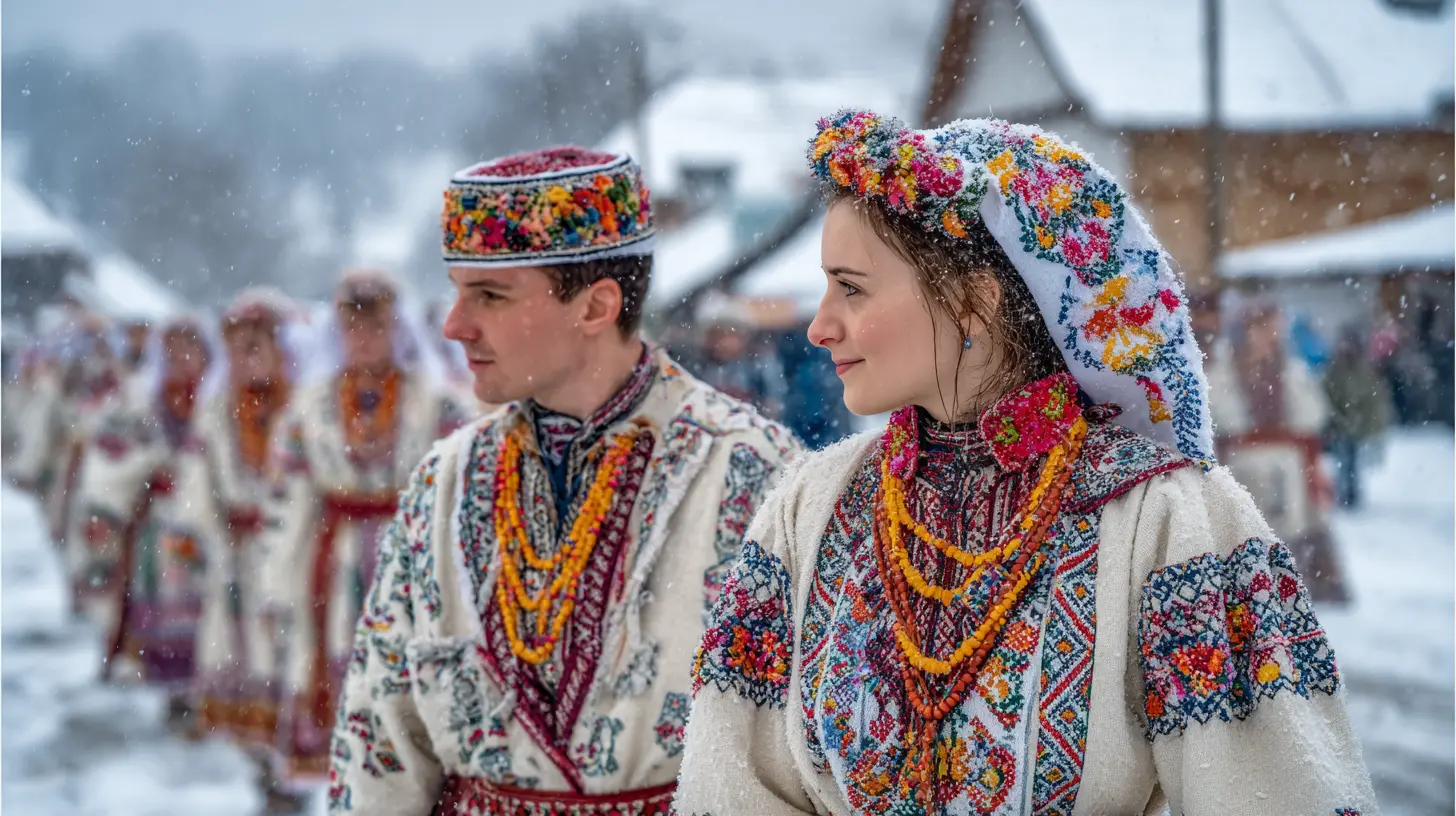
Let’s be honest, the world feels a bit… loud, doesn’t it? Our daily lives are a constant stream of notifications, curated feeds, and experiences that often feel pre-packaged. There’s a growing collective fatigue with the superficial. Travelers in 2027 aren’t just looking for a place to go; they’re seeking a place to belong, even if just for a week. They want to feel the grain of real life, to touch traditions that have roots deeper than the oldest oak.Romanian winter traditions offer this in spades. This isn’t a performance put on for tourists; it’s the living, breathing rhythm of life in villages and towns across the country. When you witness “Capra” (the Goat dance) or “Ursul” (the Bear dance), you’re not watching actors. You’re seeing young men from the community embody ancient symbols of death and rebirth, of warding off evil spirits and ensuring a fertile new year. The energy is raw, the bells are deafening, and the connection to something primal is undeniable. It’s a direct line to a part of ourselves we’ve quieted in the modern age. In a world of digital likes, here, your presence, your awe, is the only "like" that matters.
A Calendar Packed with Magic: From St. Nicholas to the Sorcova
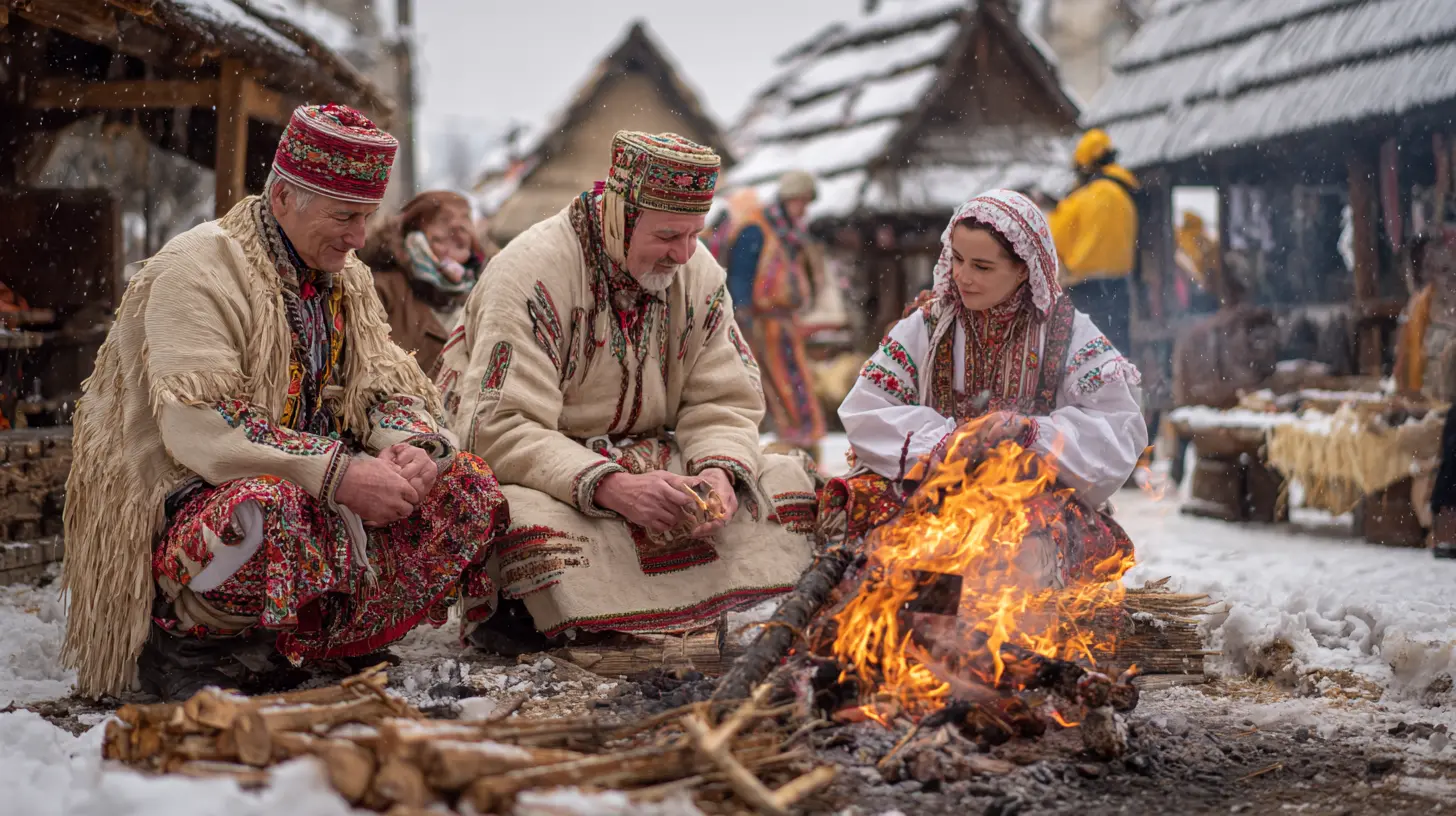
A Romanian winter isn’t a single holiday; it’s a marathon of magical moments, a cascade of celebrations that turn the entire season into a reason for joy. For the global traveler, this means an extended itinerary of unique experiences.It all kicks off on December 6th, St. Nicholas Day (Moș Nicolae). Forget the singular Santa Claus figure—here, St. Nicholas arrives the night before, leaving small gifts, sweets, and twigs (for the naughty!) in polished boots left by children. It’s a quieter, more personal tradition that families are thrilled to share with visitors.
Then, as Christmas Eve (Ajunul Crăciunului) approaches, the atmosphere crackles with anticipation. This is when “Caroling” (Colindatul) transforms from a simple song to a sacred social ritual. Groups of children and adults travel from house to house singing intricate, often biblical carols. They’re not just singing for candy; they’re bestowing blessings upon the home and its inhabitants. As a traveler, being invited to listen from inside a warm kitchen, offered cozonac (sweet bread) and warm wine, is an act of incredible hospitality. You’re not a spectator; you’re a recipient of a blessing.
The pinnacle for many is Christmas Day and the subsequent dances. The aforementioned Capra and Ursul are spectacular. The Bear dance, especially, is a breathtaking spectacle. Men clad in heavy, real bear hides (or impressive replicas) dance and mimic the bear’s movements to the thunderous beat of drums, symbolizing the animal’s death and resurrection—a metaphor for the year itself. The power and chaos of it is something you feel in your chest.
But the magic doesn’t stop on December 26th. It builds toward New Year’s Eve and the “Plugusorul” and “Sorcova” traditions. The Plugusorul (The Little Plough) is a poetic recitation performed by children, wishing prosperity, health, and rich harvests for the household. The Sorcova involves gently tapping people with a decorated branch of early-blossoming trees while reciting verses of longevity and vitality. Imagine being “tapped” with a Sorcova at a village homestay—it’s a quirky, beautiful wish for a long life, offered with genuine smiles.
This dense calendar means a traveler can immerse themselves in a continuous, evolving story, rather than a one-day event.
The Unbeatable Allure of the Winter Landscape
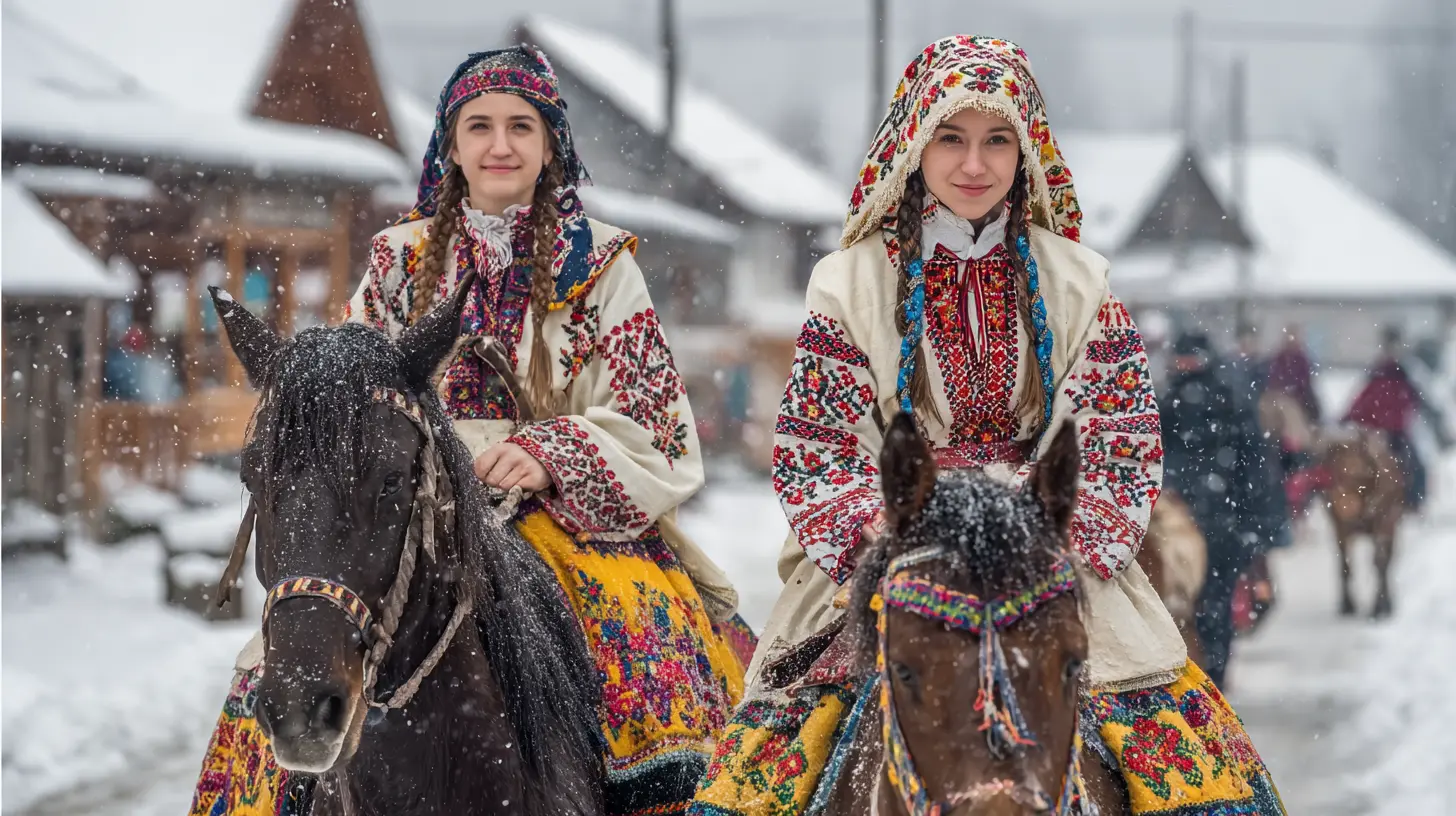
Traditions don’t exist in a vacuum. They are shaped by, and in turn shape, the land itself. And oh, what a stage Romania provides in winter! The Carpathian Mountains become a frosted kingdom, perfect for skiing in Poiana Brașov or hiking in a silent, snow-laden fir forest. The Maramureș region, with its iconic wooden churches and gates, looks like a forgotten, peaceful fairy tale under a blanket of snow. The medieval cities of Sibiu, Brașov, and Sighișoara have their cobblestone streets and colorful squares dusted with white, their Christmas markets buzzing with the smell of mulled wine (vin fiert) and sizzling mici (grilled sausages).This setting is the perfect analog to the traditions. The harsh, beautiful winter makes the warmth of the hearth, the richness of the food (sarmale – cabbage rolls, piftie – aspic, and endless sweets), and the strength of community not just pleasant, but essential. You understand why these traditions of light, noise, and feasting exist—they are a defiant, joyful stand against the cold and darkness. As a traveler, you get to feel that contrast viscerally: the bite of the air on your cheeks versus the warmth of a plum brandy (țuică) in your hand; the silence of the mountains versus the explosive cacophony of the Bear dance.
2027: The Perfect Storm of Accessibility and Desire
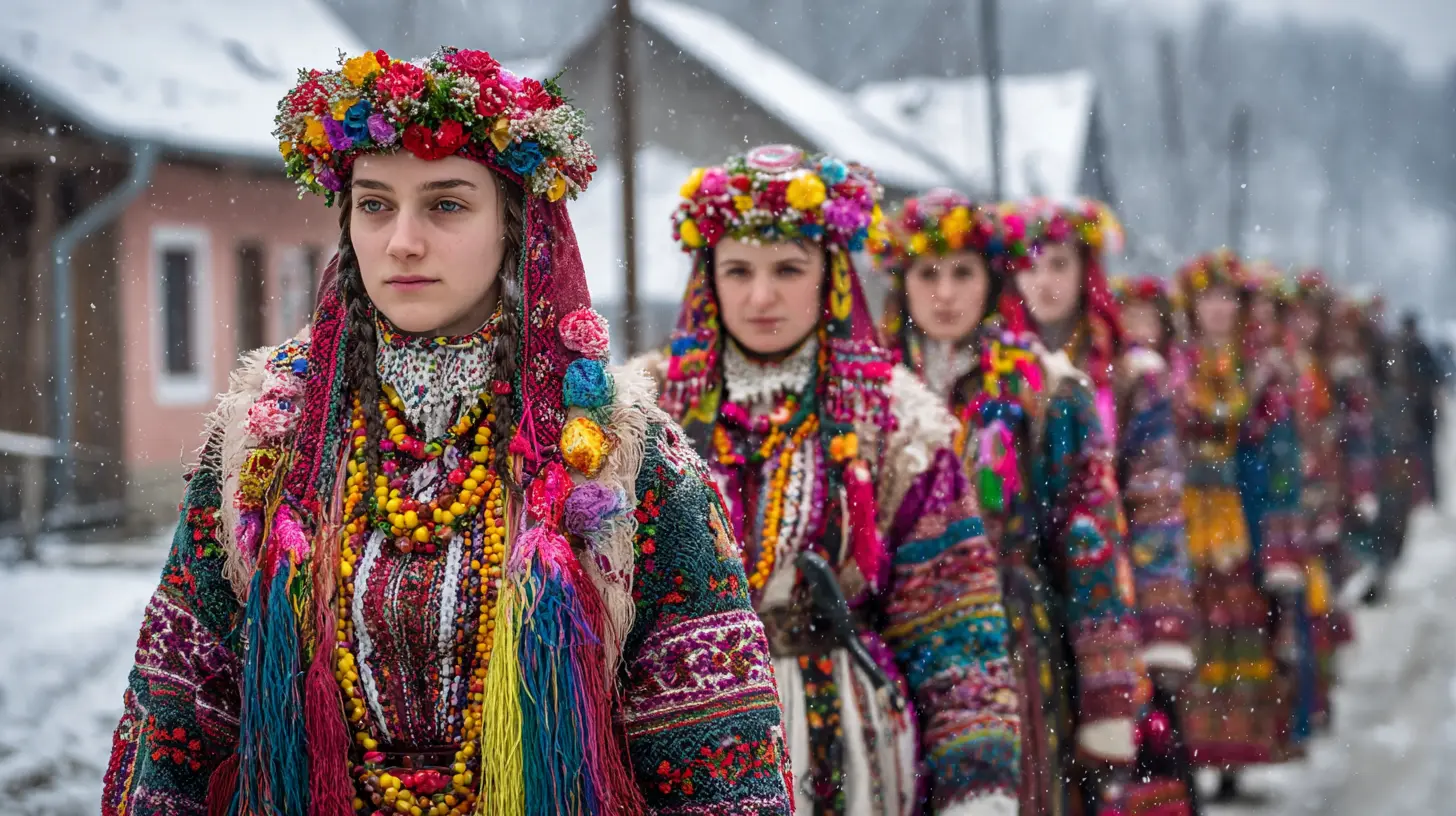
So why is 2027 shaping up to be the year? It’s a confluence of factors. Post-pandemic travel has matured. People are making fewer, longer, more meaningful trips. Romania, a member of the EU and with improving infrastructure, is more accessible than ever, yet still feels undiscovered compared to Western European destinations. The word is getting out through evocative social media and travel blogging, but the core experience remains unspoiled.Furthermore, there’s a growing interest in slow travel and skills-based tourism. Visitors aren’t just coming to see; they’re coming to do. They want to learn to bake cozonac in a Transylvanian farmhouse, to carve a traditional wooden mask for the Capra dance, or to understand the symbolism behind the intricate patterns on their host’s blouse. Romania offers this hands-on cultural depth in spades. It’s a place where you can get your hands floury, your feet cold, and your heart full.
Your Invitation to a Living Story
In the end, Romanian winter traditions are attracting global travelers because they offer something increasingly rare: authentic, participatory hope. In a complex world, these rituals are beautifully simple. They are about community over individualism, about blessing your neighbor, about celebrating the cycles of nature, and about making a glorious, noisy, delicious stand against the winter gloom.They remind us that we are part of a longer story. When you hear the Plugusorul wish for a good harvest, you’re connecting to the universal human worry and hope for provision. When you see the Bear “die” and come back to life, you’re witnessing humanity’s oldest story of renewal.
So, in 2027, will you be listening to the same holiday radio station? Or will you be standing in a snowy village square, your breath fogging the air, as the sound of bells and ancient songs announces not just a new year, but a reconnection to something timeless? The door to the Romanian winter is open, and the fire inside is warm. All you have to do is step across the threshold.
all images in this post were generated using AI tools
Category:
Local TraditionsAuthor:

Taylor McDowell
Discussion
rate this article
2 comments
Wyatt Becker
Romanian winter traditions, rich in folklore and communal spirit, offer a profound connection to heritage and nature, inviting global travelers to rediscover the warmth of culture amidst the cold.
April 24, 2026 at 4:23 PM
Taylor McDowell
Absolutely! Romanian winter traditions truly showcase the beauty of community and heritage, making them a unique experience for travelers seeking warmth in the cold.
Jet Acevedo
Experience the magic of Romania this winter! With rich traditions, stunning landscapes, and warm-hearted locals, Romania invites global travelers to immerse themselves in a unique cultural tapestry. Discover why these enchanting customs are captivating hearts around the world in 2027!
April 17, 2026 at 4:59 PM
Taylor McDowell
Thank you for highlighting Romania's enchanting winter traditions! It's truly a captivating destination that offers a unique blend of culture and hospitality.