The “Closed Attraction” Trick: How Locals Lure You Elsewhere
25 February 2026
Ever been hyped to see a famous landmark, and just as you're about to walk in, a super friendly local jumps in and says, “Oh, it’s closed today. But I know this amazing place instead!” You probably nodded, thought “Wow, thanks!”, and followed them—right?
If you’re nodding (guiltily or not), you’re not alone. This move is so common, it’s practically a tourist rite of passage in some parts of the world. Folks call it the “Closed Attraction” trick. It’s sneaky, clever, and surprisingly widespread.
Let’s peel back the curtain on this travel tactic—why it works, where it happens, and most importantly, how you can spot it before you get sidetracked.
What Is The “Closed Attraction” Trick?
Picture this: You’re sweating your way through the winding streets of Bangkok, just a few blocks away from the Grand Palace. Right on time, camera ready, sunscreen on... and then, poof—a sharply dressed man (maybe in uniform, maybe not) appears.“Sorry, the palace is closed today for a special ceremony,” he says, with utmost confidence. “But I can take you to a beautiful temple nearby—very local, not touristy.”
Sounds legit, right?
This is the essence of the “Closed Attraction” trick. A local approaches a tourist, usually near a major site, claims the attraction is closed, and offers an alternative. Often, that “alternative” is a tailor shop, gem store, or a tour that gives them a commission or kickback.
Why Does It Work So Well?
Because it preys on some very human habits and instincts:1. We Trust Friendly Locals
We're raised to think locals have insider knowledge. And often, they do! But scammers use that trust to mislead tourists. They speak your language. They smile. They seem helpful. That kindness becomes disarming.2. Most Tourists Don’t Double Check
Let’s be honest—it’s hot, you're tired, you don’t speak the language, and you don’t have great Wi-Fi. The last thing you want is to dig through Google or wait for the official staff. So when someone claims the site is closed, you usually believe it.3. We Love Hidden Gems
Who doesn’t want to say they found an off-the-beaten-path temple or secret market? The psychological hook here is huge: the idea that you're doing what other tourists aren't. You're in the know... until you're in a jewelry store being pressured to buy a sapphire.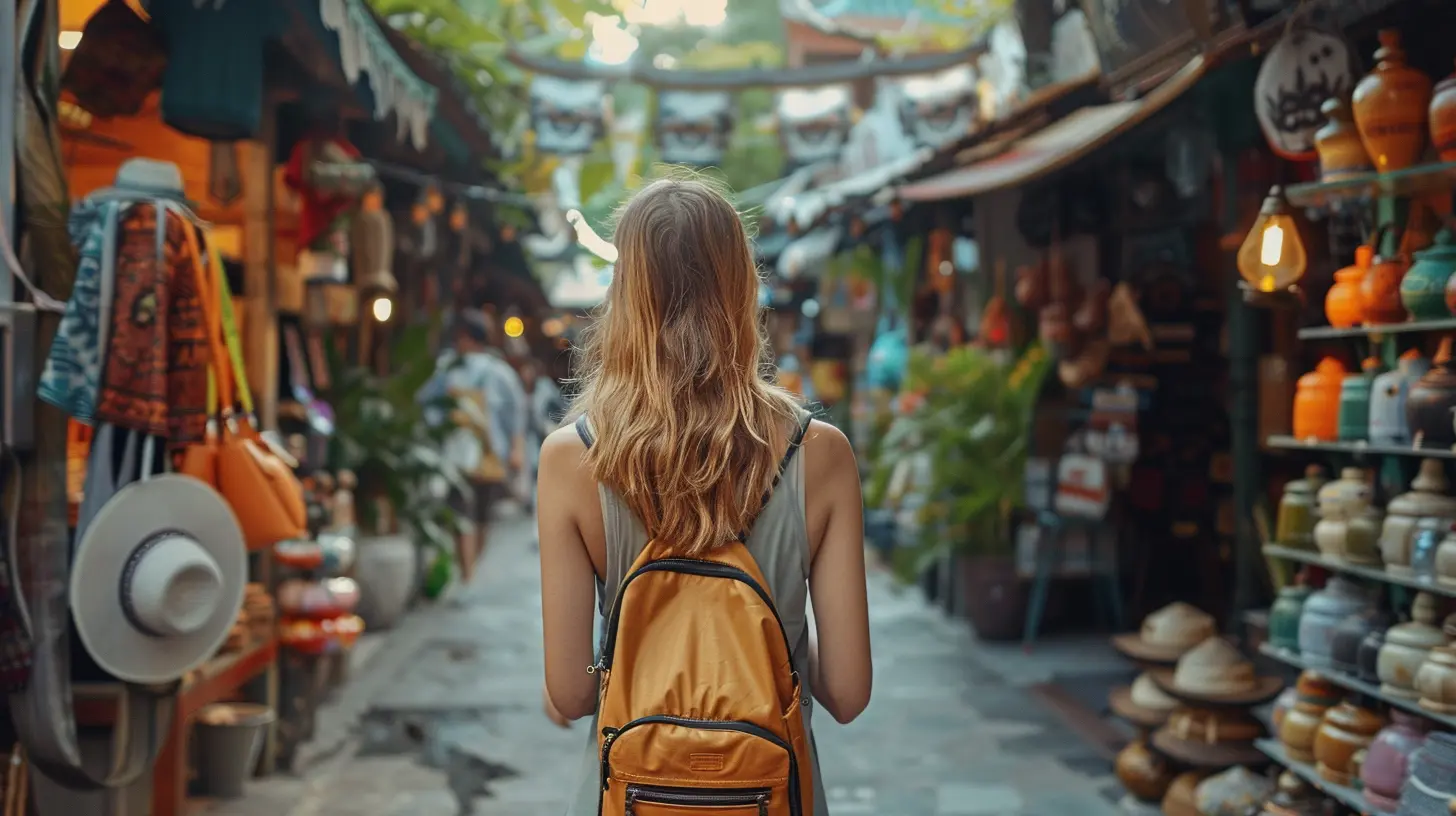
Where Is This Trick Most Common?
This isn’t limited to one country. While Thailand seems to be the poster child for the “Closed Attraction” con, it shows up everywhere. Here's where you might bump into it:1. Bangkok, Thailand
The Grand Palace and Wat Pho are hot zones. Locals (and tuk tuk drivers) run this scam like clockwork. Some are even dressed sharply to seem official.2. Delhi and Agra, India
Around the Red Fort or Taj Mahal, you might hear similar claims—“closed for prayer,” “VIP event,” or “renovation.” And before you know it, you're in a government "approved" shop.3. Cairo, Egypt
Pyramids? Great. Except someone might tell you access is restricted today and try to steer you toward a camel ride or a specific (read: overpriced) shop.4. Istanbul, Turkey
Around the Blue Mosque or Grand Bazaar, tourists often hear that the shops are closed or prayers are happening. Then, miraculously, a “cousin” appears with a carpet to sell.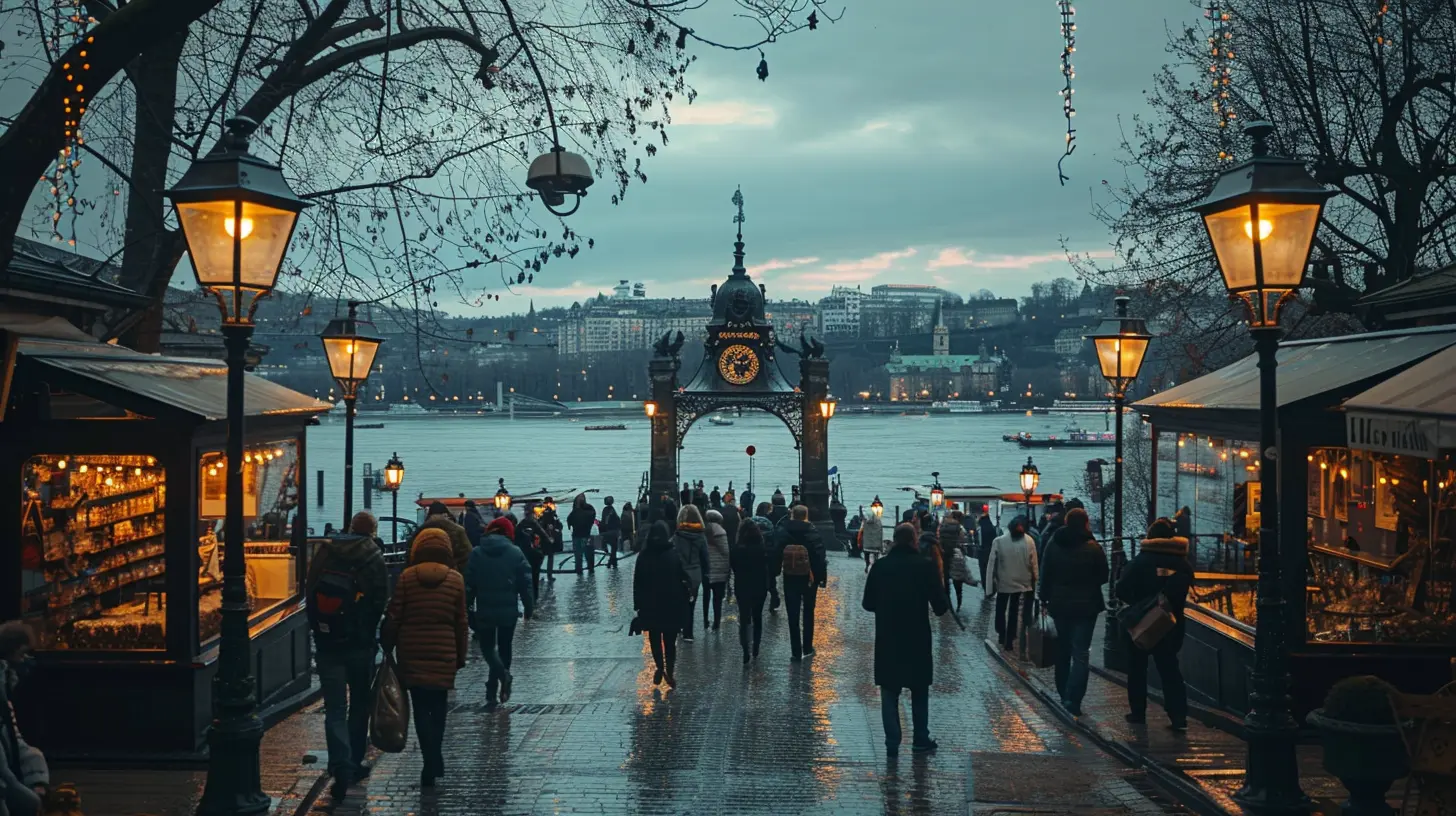
What’s The Endgame?
At first glance, it seems harmless—just a nice person offering advice. But here’s how you pay for it:- Overpriced Goods: The place they take you to? It's not a local secret. It's a tourist trap with extra zeros on the price tags.
- Commissions: The friendly local? He’s getting a cut. Everyone in this pipeline earns something off your detour.
- Lost Time: Most of all, you lose time—your most precious asset while traveling. Instead of seeing what you came for, you get stuck in someone else's itinerary.
Real Tourists, Real Stories
Want proof it’s not just paranoia? Let’s look at a couple of true accounts:> “I was in Delhi and someone told me the Red Fort was closed for a VIP dignitary. He whisked us into his auto and took us to four different ‘government’ stores. We lost two hours and spent way more than we planned.”
> —Jessica, 29, New York
> “A man told me the Grand Palace closed at noon. It was 12:30pm. Turns out it was open all day. He tried to sell me a tuk tuk ride to five ‘hidden’ temples.”
> —Marco, 35, Italy
These stories aren’t rare. They’re happening every single day.
So, How Do You Avoid The Trap?
Let’s be real: scams happen, even to seasoned travelers. But knowledge is your best defense. Here’s how to stay one step ahead:1. Always Check For Yourself
If someone says a place is closed, don't take their word for it—physically walk up to the door or entrance. Often, you’ll find it wide open.2. Use Official Sources
Download offline maps on Google Maps. Check hours ahead on official websites. Even TripAdvisor updates can help. And if you have data? Google is your best friend.3. Be Polite, But Firm
If someone approaches you offering unsolicited help, smile and say “No, thanks.” Don’t feel guilty—it’s your trip. You don’t owe 15 minutes of your time just because someone’s being nice.4. Trust Your Gut
Do the story and the vibe feel off? Then it probably is. Your gut is sharper than you think, especially when something doesn’t add up.5. Know The Local Tricks Beforehand
Before you get off that plane, do a quick search: “[City] common tourist scams”. A five-minute read could save you hours of frustration and hundreds of dollars.Should You Always Be Suspicious?
Not at all.Travel should be about connection, and some of your best memories may come from chatting with locals. But being cautious doesn’t mean you’re closed off—it means you’re respecting your time, your budget, and your trip.
Here’s the key: discernment over distrust.
You don't have to suspect everyone of running a scam, but use those internal alarm bells when a stranger goes out of their way to change your agenda.
The Psychology Behind It All
The trick is so effective because it captures multiple psychological triggers in one go:- Authority: The person may act like an official, giving their words more weight.
- Scarcity: “Open for only one day!”, “Special event today only!”—this creates urgency.
- Reciprocity: They help you, so you feel obligated to listen—or even buy.
Once you know these triggers, they’re easier to resist.
What To Do If You Get Fooled
Don’t beat yourself up. It happens. You learned something, and next time you’ll be sharper.Here are a few tips on bouncing back:
- Do a reality check: Chalk it up to experience.
- Don’t buy under pressure: If they take you to a store, remember—you’re under no obligation to purchase.
- Share your story: Post on review sites or forums. Your experience can help others avoid the same pitfall.
A Final Note: Travel Is Messy. That’s OK.
Scams are frustrating, yes. But they’re just one small part of travel. For every “Closed Attraction” trick, you’ll find ten moments of genuine kindness and human connection.You’ll still stumble on mouth-watering street food, unexpected friendships, and unforgettable views. The key is staying aware without shutting down.
So go out there, keep your eyes open, and don’t let a smooth-talking stranger steer your adventure off course.
all images in this post were generated using AI tools
Category:
Travel ScamsAuthor:

Taylor McDowell
Discussion
rate this article
2 comments
Astralis Jackson
This article brilliantly highlights the clever strategies locals use to divert tourists from popular attractions, emphasizing the rich, hidden gems that often lie just off the beaten path. A must-read for adventurous travelers!
March 2, 2026 at 5:52 AM
Taylor McDowell
Thank you for your kind words! I'm glad you found the article insightful and that it resonates with adventurous travelers seeking hidden gems!
Robert McKinney
Great insights! It's fascinating how locals use "closed attractions" to guide tourists towards hidden gems.
February 27, 2026 at 5:10 AM
Taylor McDowell
Thank you! I'm glad you found it interesting. It's a clever way for locals to share their favorite spots while keeping the tourist experience unique!